Episode Details
Back to EpisodesSt. Hildegard von Bingen, Part 2 – The Doctors of the Church: The Charism of Wisdom with Dr. Matthew Bunson – Discerning Hearts Podcast
Description
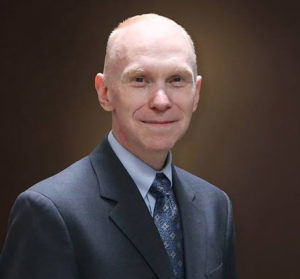
St. Hildegard von Bingen, Part 2 – The Doctors of the Church: The Charism of Wisdom with Dr. Matthew Bunson
- Born: September 16, 1098, Bermersheim vor der Höhe, Germany
- Died: September 17, 1179, Bingen am Rhein, Germany
Dr. Matthew Bunson and Kris McGregor continue their discussion on St. Hildegard of Bingen, one of the great Doctors of the Church. They look at her contributions to the Church through her mystical visions, writings, and spiritual reforms. Dr. Bunson explains St. Hildegard’s deep intellectual curiosity, her commitment to the Church’s authority, and her role as a Benedictine nun in shaping her spirituality and sainthood. They focus on her three major works, Scivias, The Book of the Merits of Life, and The Book of Divine Works, which describe her visions in great detail, exploring themes of virtue, vice, and the Christian life.
It’s important to view St. Hildegard’s writings through the lens of Church authority, cautioning us to be skeptical of modern interpretations that distort her true intentions. Far from being a feminist icon, she submitted her mystical experiences to the Church for validation, which is key to understanding her authentic mysticism.
Discerning Hearts Reflection Questions
- In what ways does Hildegard’s submission of her visions to the Church invite us to reflect on the importance of obedience and discernment in our own spiritual lives?
- How does Hildegard’s balance of mystical visions with practical reform inspire us to combine deep spirituality with actionable changes in the world around us?
- How should we discern and interpret mystical or prophetic works, ensuring they align with the teachings and authority of the Church?
- In what ways does Hildegard’s humility, especially in questioning her own visions, offer a model for how we should receive and use God’s gifts?
- How can we apply the lessons from Hildegard’s call for Church reform, particularly her critique of vice and call to virtue, to address current challenges within the Church today?
From Vatican.va, an excerpt from the teachings of Pope Benedict XVI:
APOSTOLIC LETTER
“5. Hildegard’s anthropology begins from the biblical narrative of the creation of man (Gen 1:26), made in the image and likeness of God. Man, according to Hildegard’s biblically inspired cosmology, contains all the elements of the world because the entire universe is recapitulated in him; he is formed from the very matter of creation. The human person can therefore consciously enter into a relationship with God. This does not happen through a direct vision, but, in the words of Saint Paul, as “in a mirror” (1 Cor 13:12). The divine image in man consists in his rationality, structured as intellect and will. Thanks to his intellect, man can distinguish between good and evil; thanks to his will, he is spurred to action.
Human beings are seen as a unity of body and soul. The German mystic shows a positive appreciation of corporeity and providential value is given even to the body’s weaknesses. The body is not a weight from which to be delivered. Although human beings are weak and frail, this “teaches” them a sense of creatureliness and humility, protecting them from pride and arrogance. Hildegard contemplated in a vision t