Episode Details
Back to EpisodesBroken Chargers Are Becoming America’s Next Big EV Challenge
Description
The Charging Infrastructure
Can America handle a more electrified automotive landscape? It’s a question often asked, and for good reason. After all, 2050 appears to be the goal, when a majority of cars are plugged in, whether as plug-in hybrids or pure EVs. Mind you, the number of chargers isn’t much of an issue now, as more have been installed over the years with new players coming in as well.
The bigger picture here is adapting the infrastructure to support millions of vehicles plugging in. Yes, the U.S. has enough power, but the grid can get strained from time to time. It’s a complex, multi-layered matter that’s worth its own story, which just so happened to be covered previously. Seriously, it’s worth a read.
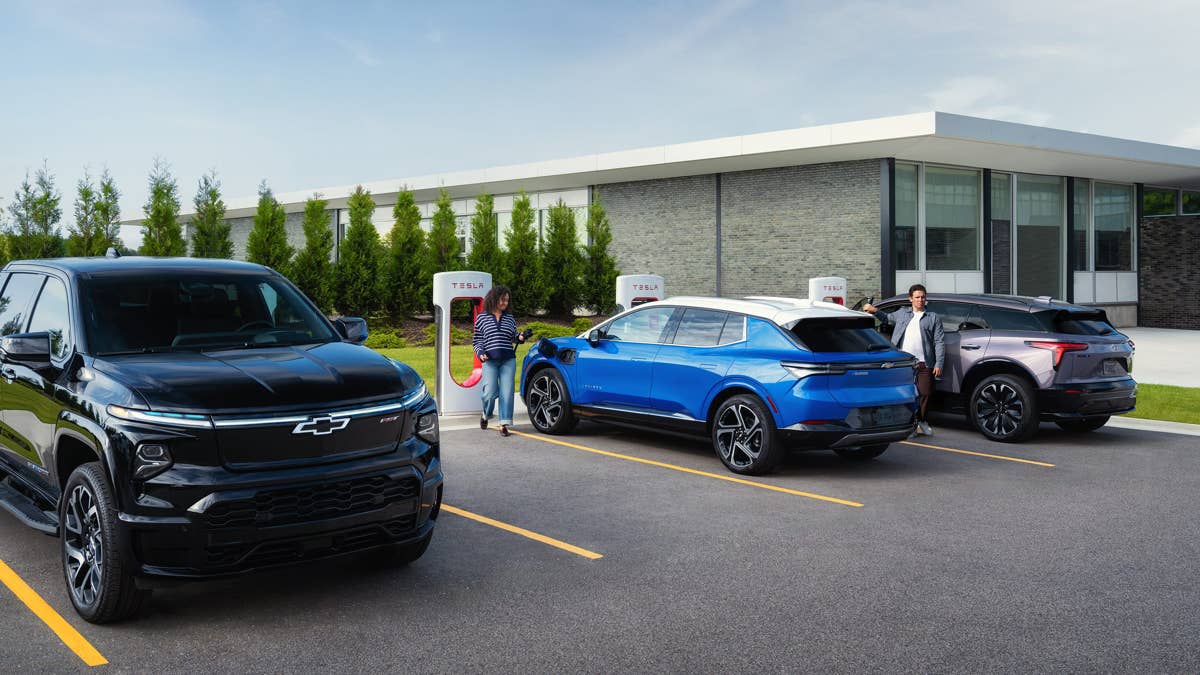
Charger Reliability is the Next Challenge
As more motorists use charging stations, the new challenge is making the current infrastructure work reliably at scale. There are over 80,000 public charging stations across the country, but that number means little if many aren’t working properly. It’s an inconvenience for folks who need to get around, but incredibly costly for companies with EV fleets. Downtime means no activity, and no activity spells opportunity costs, among other things.
In a study done by ChargerHelp, charger recovery has become the next challenge in improving the EV infrastructure. As some stations age, the need for repairs and maintenance is becoming increasingly important.
The study found that common charging problems are easier to identify and resolve, but it also means small but significant issues are “less obvious, more complex, and harder to diagnose.” Those faults can make the charger inoperable or unsafe to use and give EV fleets fewer options to plug in.
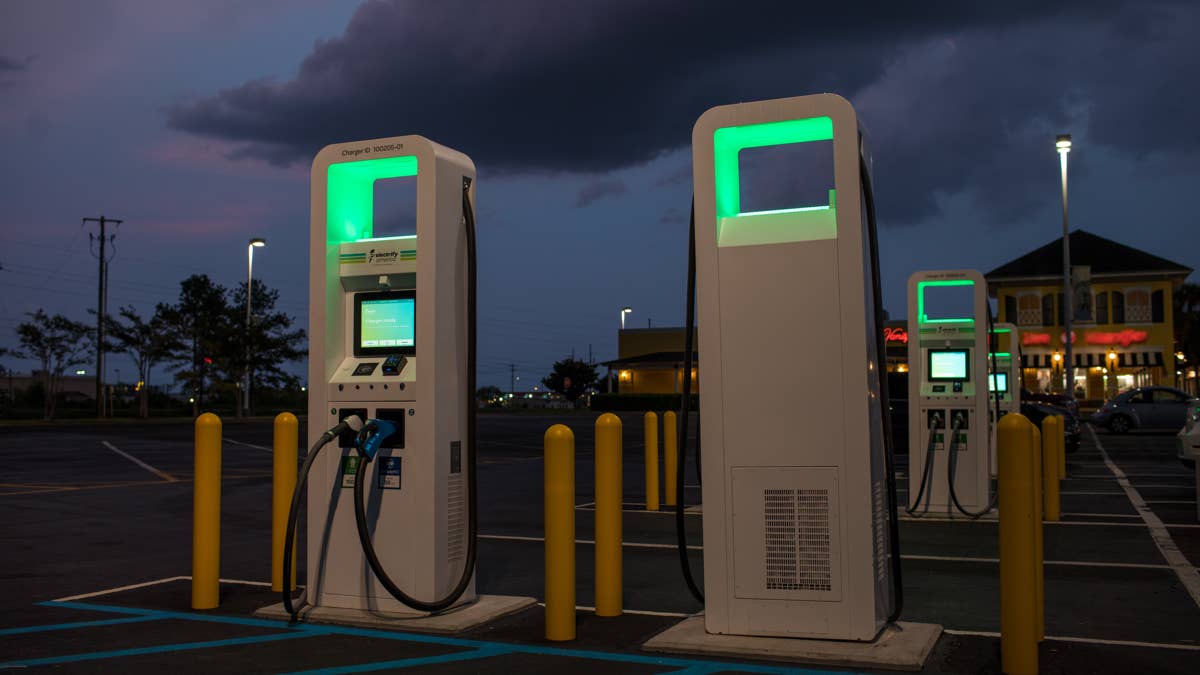
Pinpointing Sore Points
The study found that charging issues requiring multiple work orders took a median of 32 days to resolve. Meanwhile, issues that required only a single visit still took about seven days to fully fix. That’s not something fleets that rely on battery power can afford to have in their operations.
Why does it take that long, you ask? In all fairness, diagnostics begin even before maintenance personnel are dispatched to a location, but some diagnoses take longer than others. Repeat repairs further extend a charger’s time out of commission, and operational bottlenecks and constraints also play a role. Aging chargers also highlight the need for better long-term maintenance, since you can’t simply add another charger to replace the old ones right away. Besides, that would be costly and wasteful.
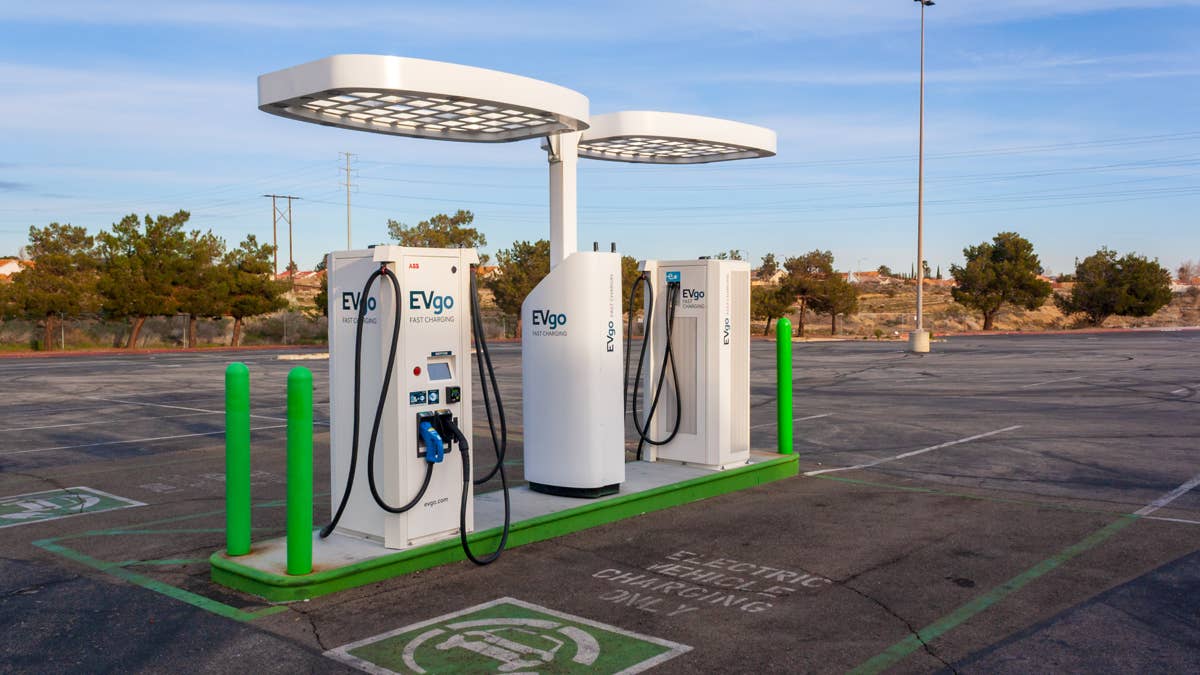
Coordination and Communication are Key
ChargerHelp said this to speed up the process, and it largely boils down to coordination and communication. It’s not just among maintenance teams, but also between charger manufacturers and the companies that keep them running. “It finds that reducing Mean Time to Repair (MTTR) depends more on improving visibility into charger health, accelerating diagnostics, and enabling stronger collaboration across hardware manufacturers, charging networks, software providers, service organizatio