Episode Details
Back to Episodes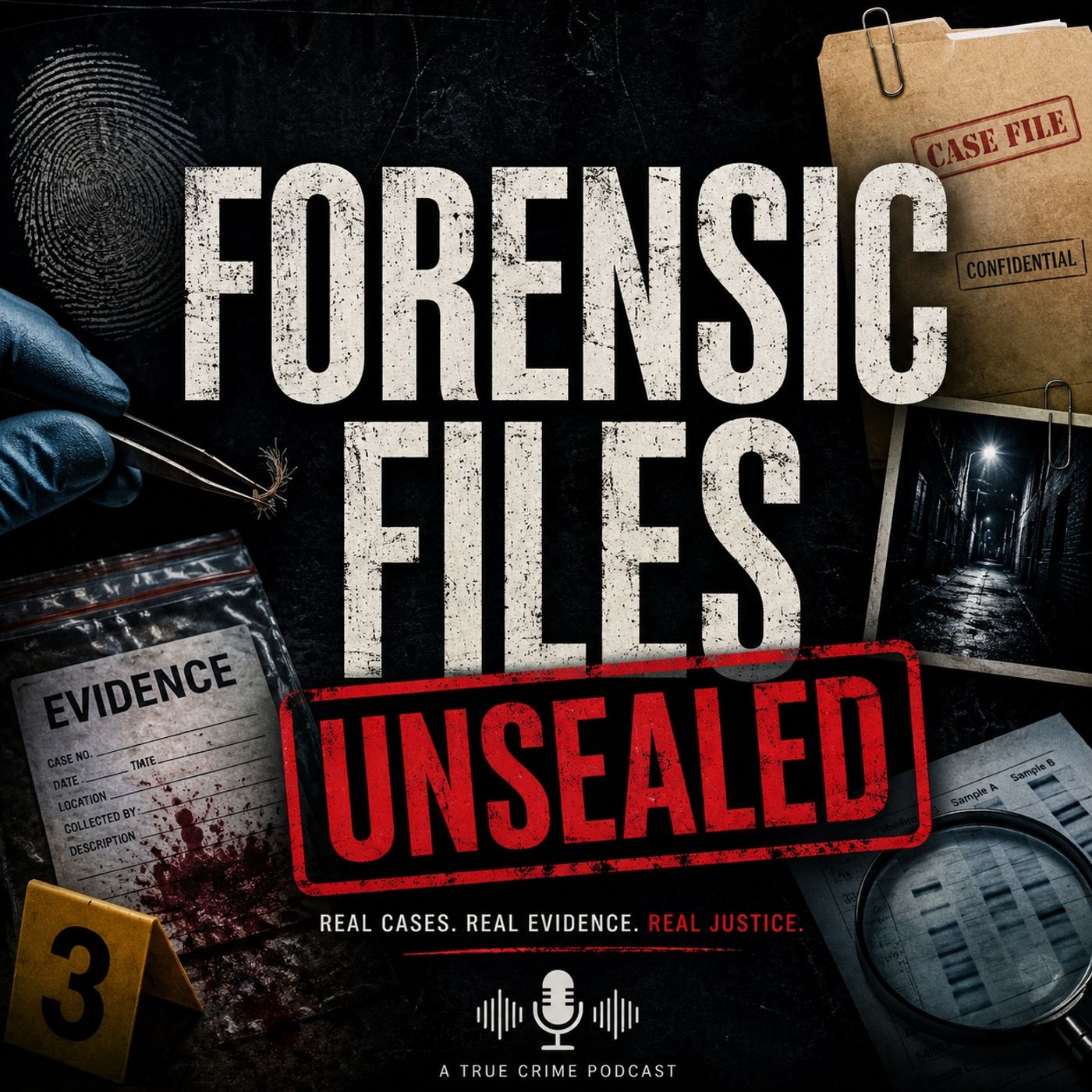
Why Some Cold Cases Break Open Decades Later
Published 2 months, 1 week ago
Description
Unsolved investigations often stall for decades due to limited technology, shifting police priorities, and the loss of institutional memory. However, the passage of time can also become an investigative asset as personal loyalties fade and guilty consciences lead to late-life confessions. Modern breakthroughs are frequently driven by forensic genetic genealogy, a process that uses DNA databases to build family trees and identify suspects or victims. While these scientific tools are revolutionary, their success is often restricted by high costs and departmental budget constraints. New legislation and the use of artificial intelligence are being explored to help navigate the massive backlog of hundreds of thousands of cold cases. Ultimately, solving these mysteries provides families with long-awaited resolution, proving that time can eventually transform a stagnant file into a closed case.
Content Warning: This podcast contains discussions of homicide, violence, abuse, and other graphic themes related to real-life criminal events. It is intended for mature audiences and listener discretion is advised.
This episode includes AI-generated content.