Episode Details
Back to Episodes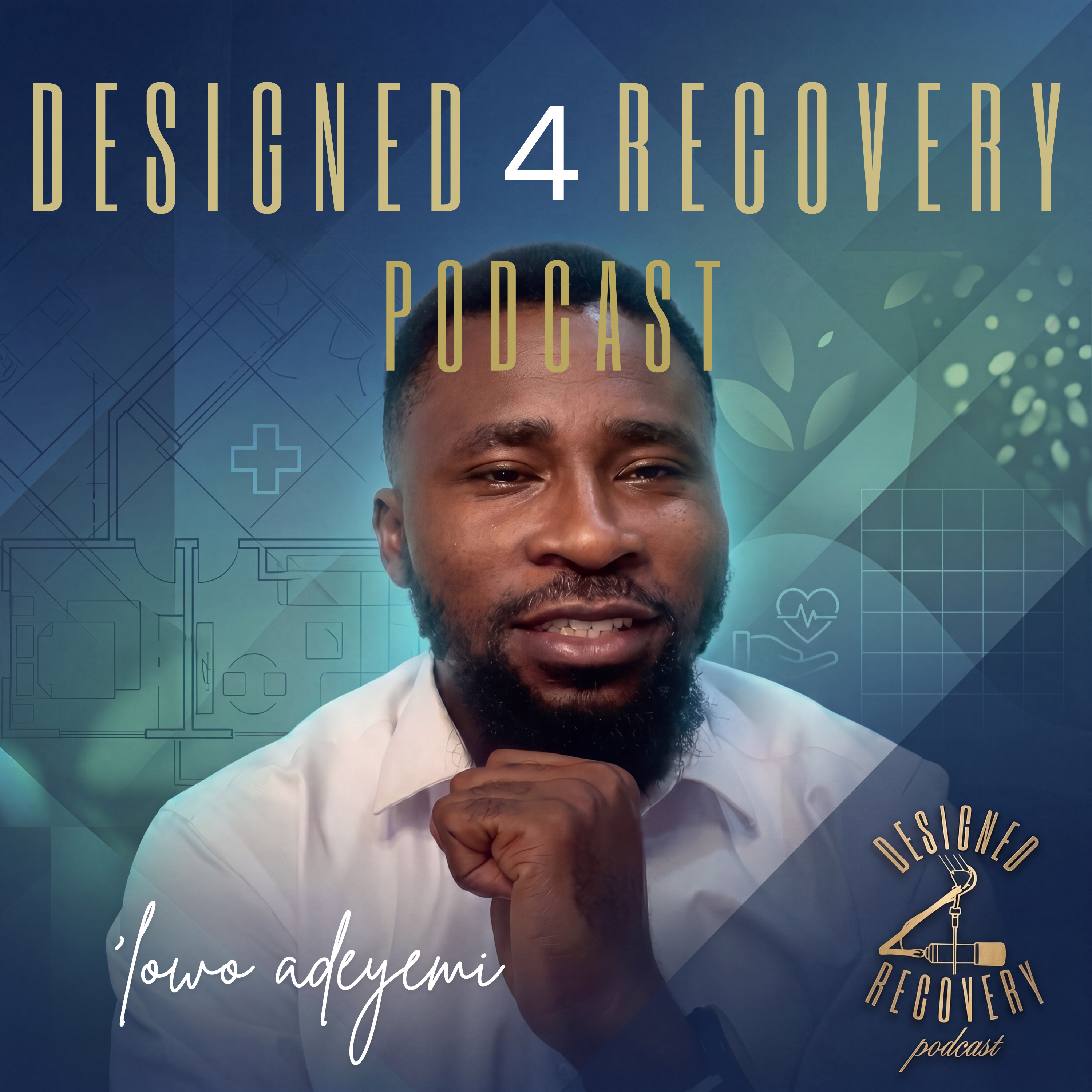
D4R Episode 31: Healing Spaces for Different Minds: Designing Healthcare Beyond the Neurotypical
Description
Hey! I'd love to hear your thoughts, send me a voice note.
In this episode of Design for Recovery, we explore how healthcare environments can better support neurodivergent patients, specifically those with dyslexia, by applying principles rooted in science and inclusive design. Russell Van Brooklyn, a leading dyslexia researcher, shares practical insights on reducing cognitive load, improving wayfinding, and fostering dignity and autonomy through thoughtful architecture and signage. This discussion highlights that accessible design is not about cost or complexity but about understanding and addressing deep psychological and cognitive needs.
Key Topics
The importance of cognitive accessibility beyond physical adjustments like ramps and rails
How dyslexia manifests in the brain and impacts patient experience in healthcare spaces
Applying universal themes and avatar-based signage to improve clarity and reduce confusion
Designing wayfinding that minimizes dense language and uses clear, focused signage
The role of healthcare design in reducing anxiety, shame, and stress for neurodiverse patients
Evidence-based principles from healthcare design standards that support safety, dignity, and recovery
Shifting from compliance-driven to compassionate design practices that prioritize understanding and inclusivity
Timestamps
00:00 - Introduction: How environment influences healing beyond medicine
02:00 - Russell Van Brooklyn’s background and motivation to solve dyslexia issues
05:22 - Understanding dyslexia through brain activity and neurodivergence
08:01 - Limitations of focusing solely on physical accommodations
10:37 - Using movie reviews and universal themes as models for clear signage
12:12 - Applying avatar-driven sign language for focused, patient-centered communication
14:42 - The process for creating specific, understandable signage in healthcare spaces
16:21 - How universal design benefits both neurodiverse and neurotypical patients
19:17 - The impact of poorly designed instructions on patient stress and outcomes
22:58 - Principles of wayfinding and reducing cognitive effort in healthcare design
25:28 - Cost-effective signage strategies that support inclusive, supportive environments
29:18 - How design can help diminish shame and fear in neurodivergent patients
30:58 - The importance of dignity, autonomy, and psychological safety in healing spaces
33:57 - Broader shifts healthcare leaders need for truly inclusive environments
35:41 - Moving from compliance to compassion: a new mindset for healthcare design
Resources & Links
[Overcoming Dyslexia by Sally Shaywitz](https://www.amazon.com/Overcoming-Dyslexia-Sally- Shaywitz/dp/0670011904)
dyslexiaclasses.com
Center for Health Design
Facility Guidelines Institute Standards
WELL Building Standards
Note: Empathy-driven, evidence-based design isn’t costly; it’s about intentionality. Small, focused changes—like simplified signage, avatar-based communication, and clear universal themes—can profoundly impact healing, safety, and patient trust. Design for neurodiversity isn't about lowering standards; it’s about raising awareness of space’s influence on cognition and recovery.