Episode Details
Back to Episodes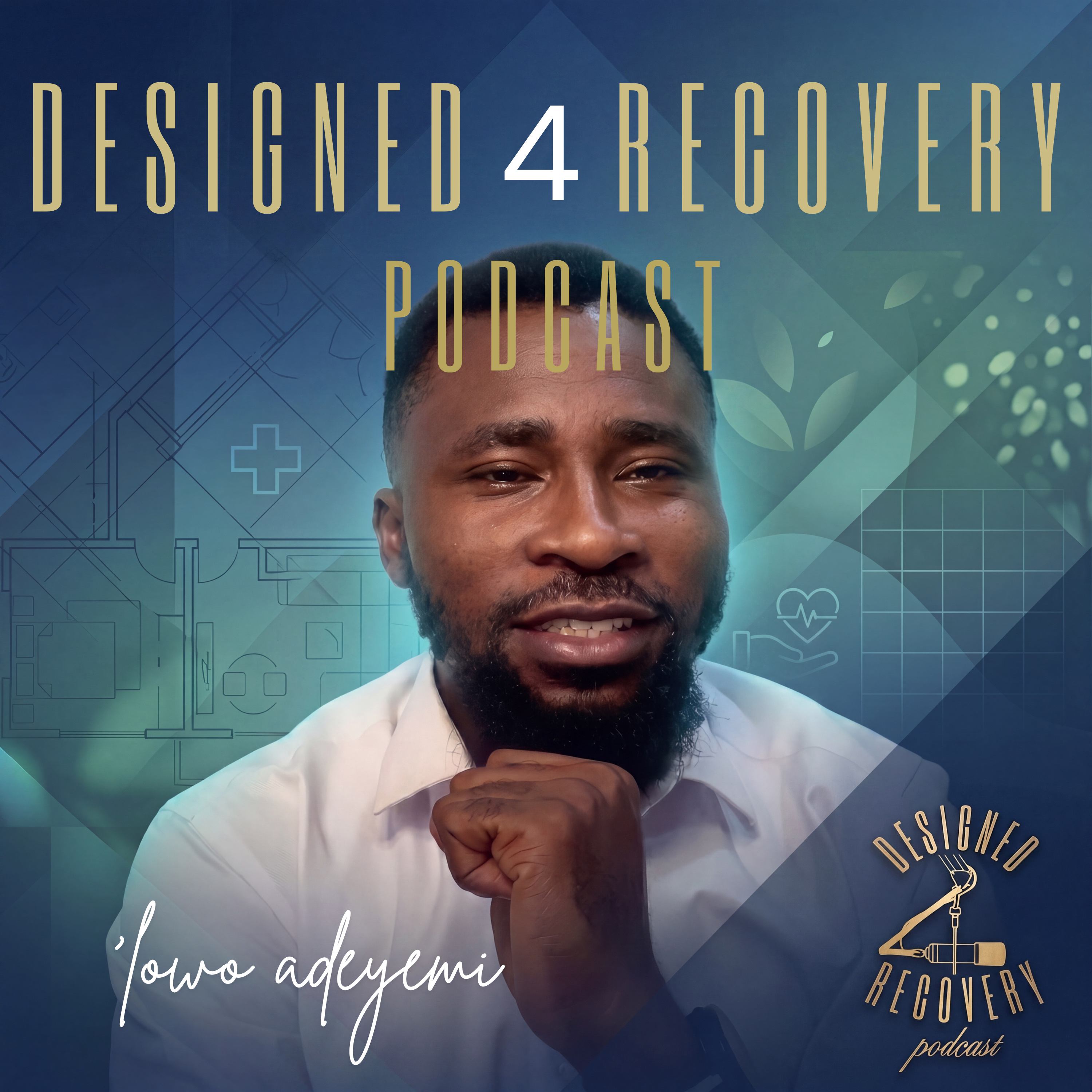
D4R Psychology of Perception Series Ep 4: Designing Hope: The Psychology of Positive Expectation
Description
Hey! I'd love to hear your thoughts, send me a voice note.
Hope is more than a feeling—it is a powerful psychological resource that can shape how people experience illness, engage with treatment, and navigate the recovery journey.
In this episode of Designed 4 Recovery, we explore how healthcare environments can influence one of the most important yet often overlooked dimensions of healing: positive expectation. While medicine treats the body, the built environment continuously communicates messages to the mind about safety, possibility, resilience, and recovery.
Drawing from neuroscience, environmental psychology, and evidence-based healthcare design, this episode examines how thoughtfully designed spaces can foster optimism, emotional stability, and a belief in healing. We discuss how environmental cues such as natural light, biophilic design, visual openness, beauty, comfort, and human-centered planning can provide positive psychological feedback that supports patient well-being.
At the heart of this conversation is a simple but profound question: What if healthcare environments could help patients see a future beyond their illness?
In This Episode, You'll Learn:
Why hope plays a critical role in the healing journey
How positive expectation influences patient behavior and emotional resilience
The connection between perception, mindset, and recovery experiences
What “hope-centered design” looks like in healthcare settings
How daylight, nature, artwork, and spatial quality contribute to emotional well-being
Why healthcare environments should communicate possibility, not just treatment
How design can help counter fear, despair, and emotional exhaustion
Key Takeaway
Healthcare environments are constantly communicating with patients. When spaces are designed to foster dignity, beauty, comfort, and connection, they can help reinforce positive expectations and create psychological conditions that support healing. While design cannot cure disease, it can cultivate the hope and resilience that help patients move forward in recovery.
Quote from This Episode
"Before the body embraces recovery, the mind often needs a reason to believe that healing is possible."
Questions Explored
Can healthcare design influence a patient's outlook on recovery?
What does hope look like in physical form?
How can healthcare environments provide positive psychological reinforcement?
What role does beauty play in healing-centered design?