Episode Details
Back to Episodes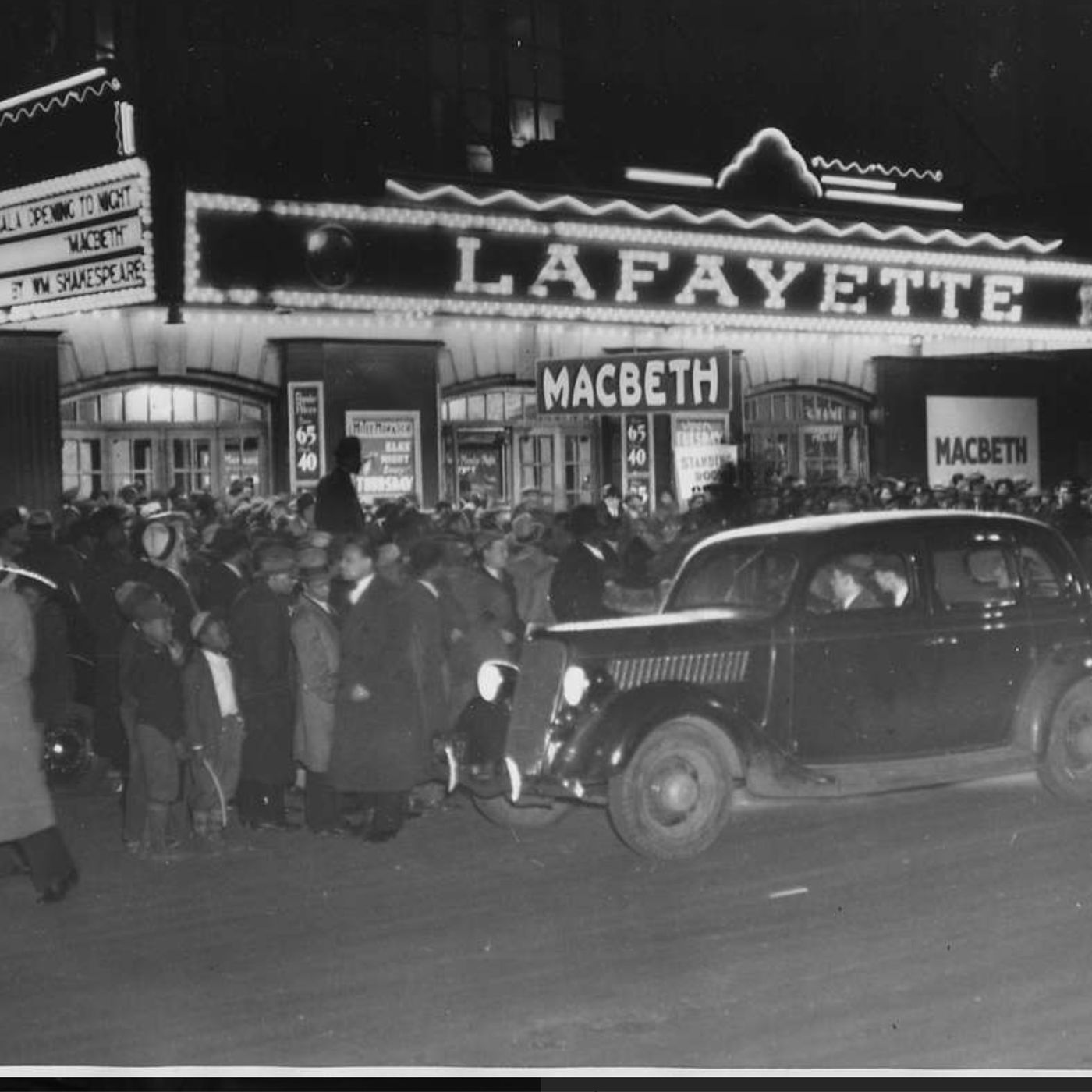
1. Shakespeare Politics And American Theater - James Shapiro
Published 1 month, 3 weeks ago
Description
CAPTION 1936 HARLEM LAFAYETTE THEATER
Shakespeare Politics And American Theater
James Shapiro, author of The Playbook: A Story of Theater, Democracy, and the Making of a Culture War, Part One: This recording examines the transformative impact of the Federal Theatre Project during the Great Depression. Shapiro highlights the historic 1936 Harlem premiere of Macbeth, an integrated cultural triumph directed by a young Orson Welles with an all-Black cast, which adapted Shakespeare to Haiti. The discussion focuses on Harry Hopkins, who created the WPA Federal One program to employ destitute artists, and director Hallie Flanagan, who established a vast, accessible national theater that brought thousands of free productions to millions of Americans. Shapiro also examines Sinclair Lewis and his antifascist novel, It Can't Happen Here. Although Hollywood spent massive sums to acquire the movie rights, studio heads ultimately cancelled the film due to foreign market fears and censorship. In response, Flanagan mobilized the Federal Theatre to adapt the work, staging it simultaneously in twenty cities across the country as a powerful, urgent nationwide warning against the dangers of rising global fascism. (1)