Episode Details
Back to Episodes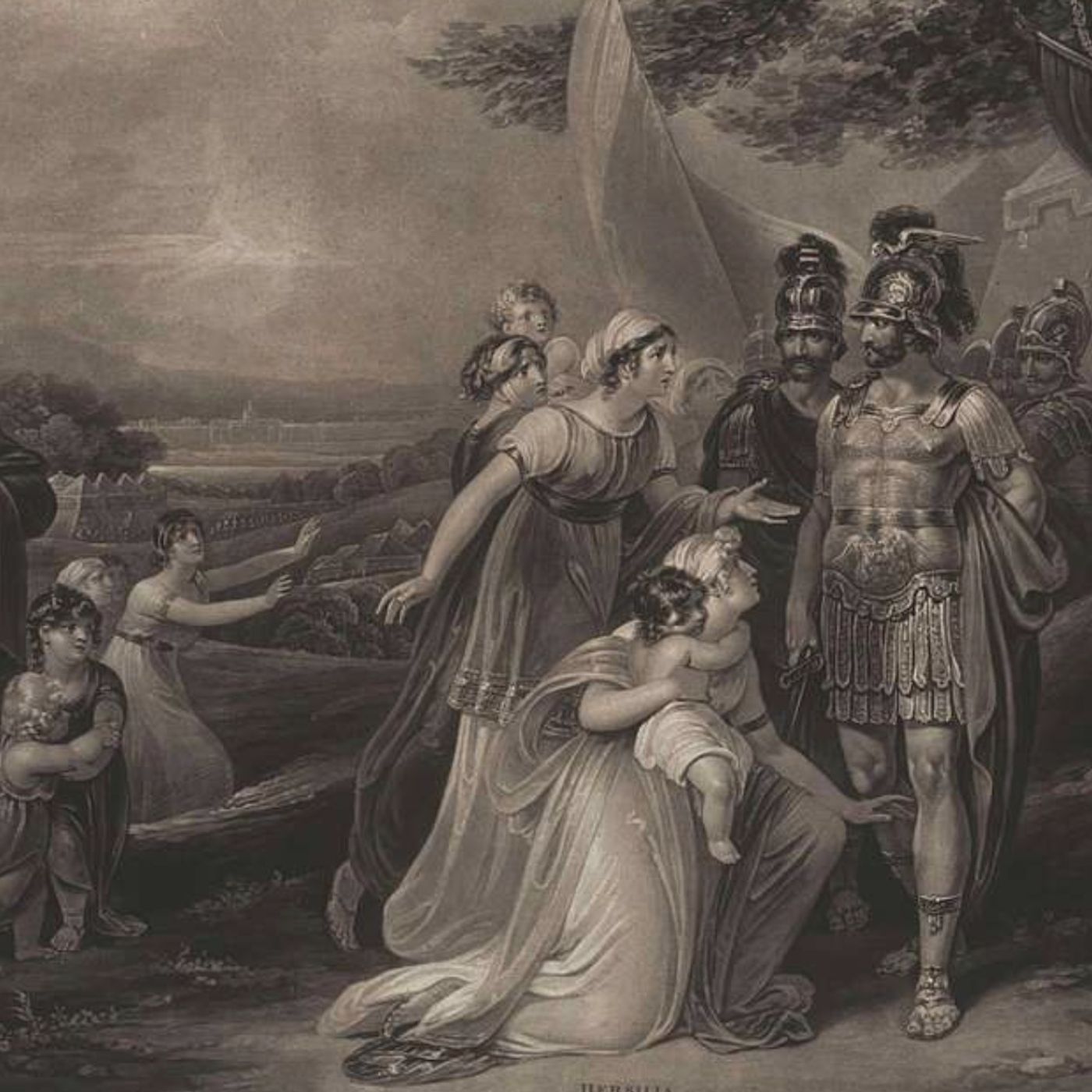
1. Roman Women Reshaping Ancient History - Emma Southon
Published 1 month, 3 weeks ago
Description
CAPTION 1802 ROMAN WOMEN.
Roman Women Reshaping Ancient History
Emma Southon, author of A Rome of One's Own: The Forgotten Women of the Roman Empire, Part One: This interview explores early Roman history through the lives of its women, challenging traditional male-dominated narratives. Southon discusses how first-century historians like Livy wrote to flatter Emperor Augustus, shaping historical memory to justify his autocratic rise. The discussion starts with the founding of Rome, highlighting the forced mass kidnapping of the Sabine women and Hersilia's crucial, peacemaking intervention that united warring families. Southon contrasts Hersilia's virtuous legacy with Tarpeia, who betrayed Rome due to a perceived female greed for luxury. The narrative transitions to the Etruscan queen Tanaquil, who helped secure the monarchy, and her ambitious granddaughter Tullia, whose murderous path to the throne exemplified the corruptive nature of unchecked power. Finally, the interview details the tragic story of Lucretia, whose ultimate virtue and sudden suicide after her assault by the king's son became the direct catalyst for Brutus to overthrow the corrupt monarchy and successfully establish the Roman Republic. (1)