Episode Details
Back to Episodes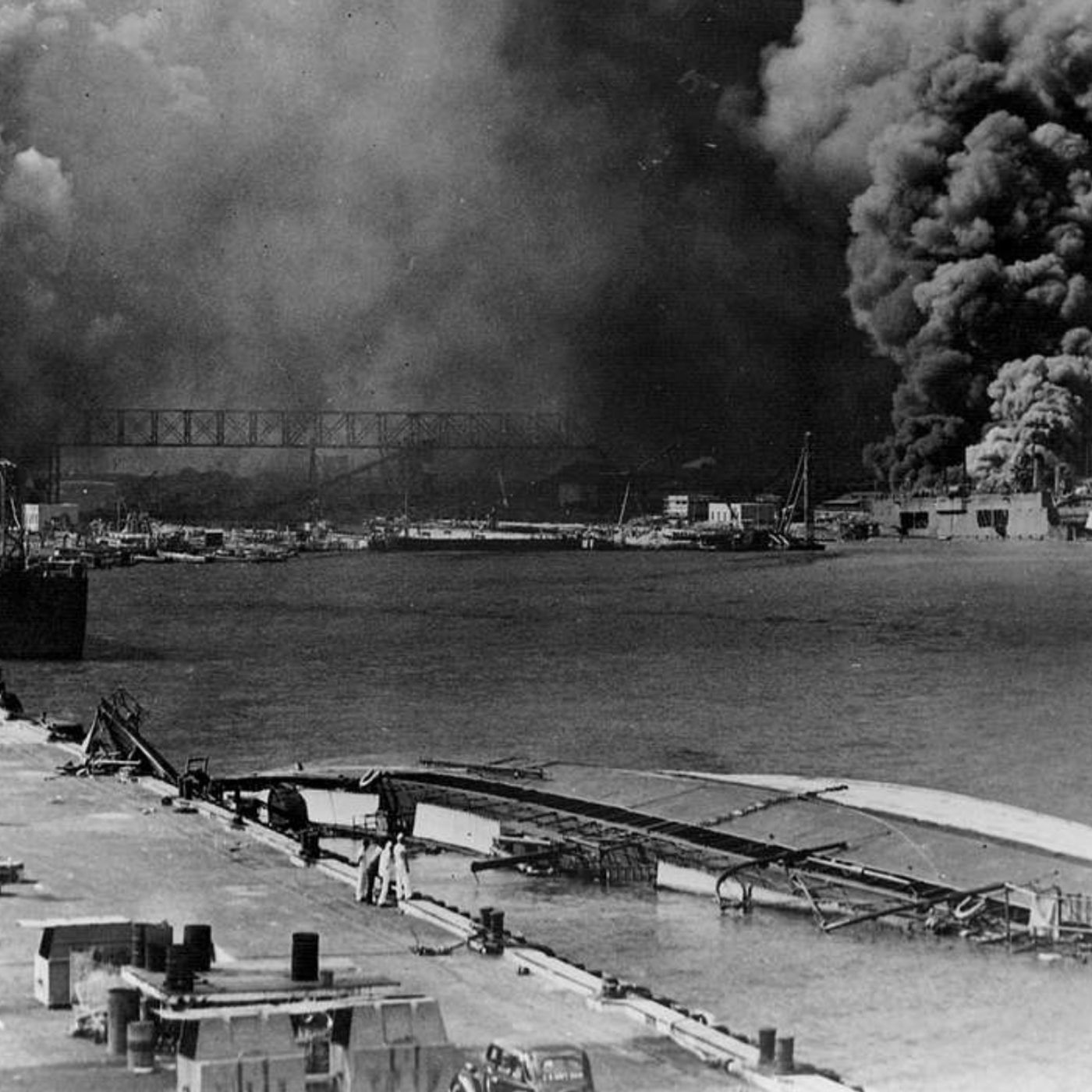
1. Christmas 1941 to July 1944: Calculated Risk and the Rebuilding of Pacific Command: CRAIG-SYMONDS-NIMITZ-AT-WAR
Published 1 month, 3 weeks ago
Description
CAPTION USS OGLALA CAPSIZED, PEARL HARBOR
Christmas 1941 to July 1944: Calculated Risk and the Rebuilding of Pacific Command
Craig Symonds, author of Nimitz at War: Command Leadership from Pearl Harbor to Tokyo Bay, Part One: This interview segment details Admiral Chester Nimitz's leadership during the first half of the Pacific War. Arriving at a devastated Pearl Harbor in late 1941, Nimitz was selected by President Roosevelt despite Admiral Ernest King's initial skepticism. Relying on a calm, humble demeanor, Nimitz managed intense interservice rivalries, including "brown shoe" aviators and "black shoe" ship drivers. He introduced the strategic concept of "calculated risk," balancing potential benefits against military exposure. Trusting intelligence officers Edwin Layton and Joseph Rochefort, Nimitz leveraged decrypted Japanese radio traffic to orchestrate defensive positions. This intelligence setup led to the historic carrier-clash Battles of the Coral Sea and Midway, where he appointed Raymond Spruance to command. Nimitz navigated resource shortages during the grueling Guadalcanal campaign, eventually replacing Admiral Ghormley with the aggressive William Halsey, and handled complex diplomatic relations with General Douglas MacArthur. He also maintained strict personal routines, including power walking, to survive the extreme pressures of supreme theater command. (1)