Episode Details
Back to Episodes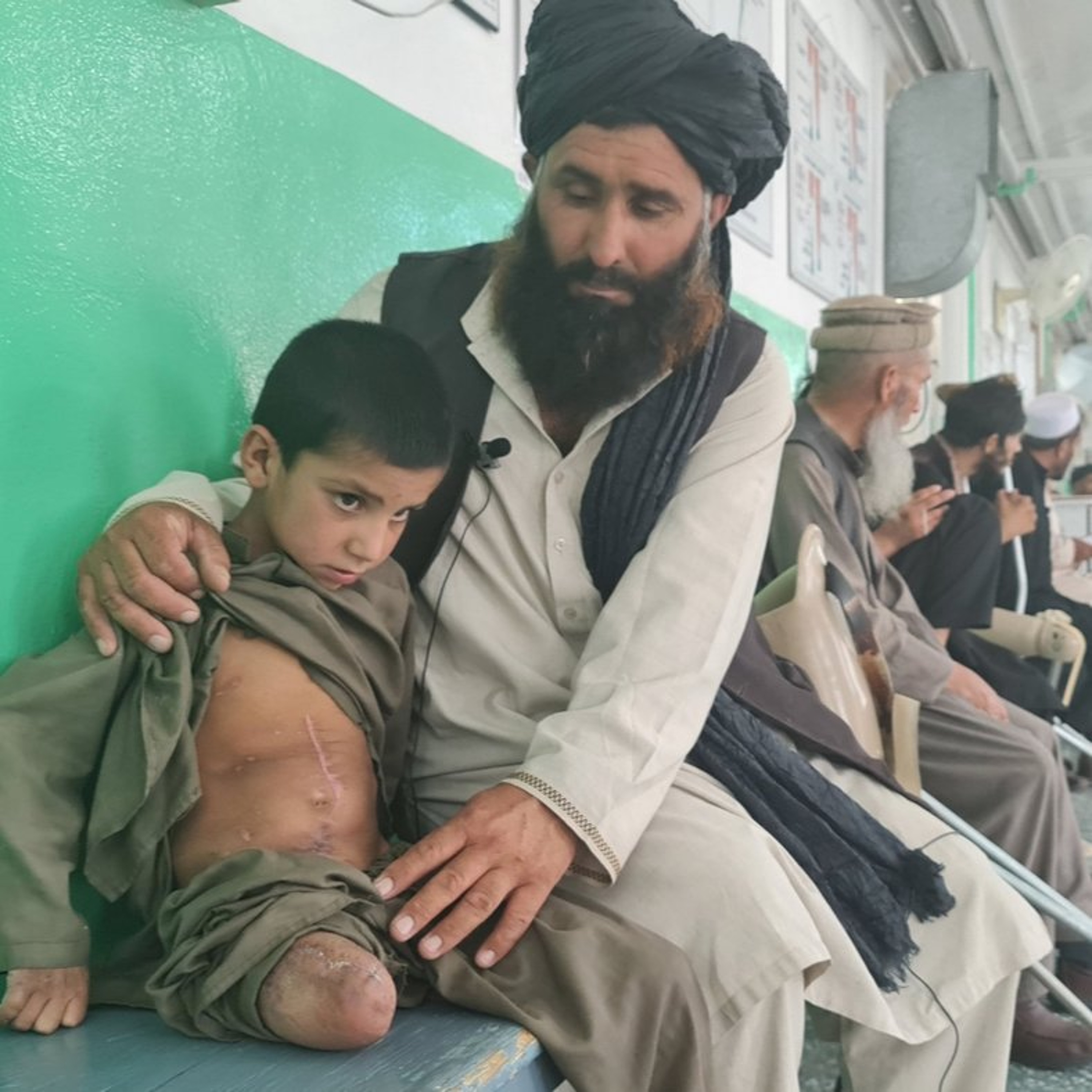
The humanitarian case for universalizing the Convention on Cluster Munitions
Published 18 hours ago
Description
Cluster munitions cause harm both at the moment of attack and long after fighting has ended. By scattering submunitions across wide areas, often with high failure rates, they expose civilians to immediate danger while leaving behind unexploded ordnance that can kill and injure for decades. For survivors, the consequences can last a lifetime, extending beyond the initial injury to affect physical and mental health, education, livelihoods and participation in community life. The Convention on Cluster Munitions was created in response to these documented and enduring humanitarian consequences, combining prohibition of the weapon with obligations to clear contaminated areas and assist victims.
In this post, ICRC Legal Adviser Fahad Ahmed and ICRC Physical Rehabilitation Program Coordinator Maarten Abeel examine the humanitarian case for strengthening the implementation and universalizing the Convention ahead of its Third Review Conference in Laos in September 2026. Drawing on the experience of survivors and the role of physical rehabilitation in preventing injury from becoming lifelong exclusion, they argue that the Convention has demonstrated the value of humanitarian disarmament in both preventing future harm and addressing its consequences. They call on states to reject any normalization of cluster munition use, strengthen victim assistance and rehabilitation, and accelerate universalization of the Convention.