Episode Details
Back to Episodes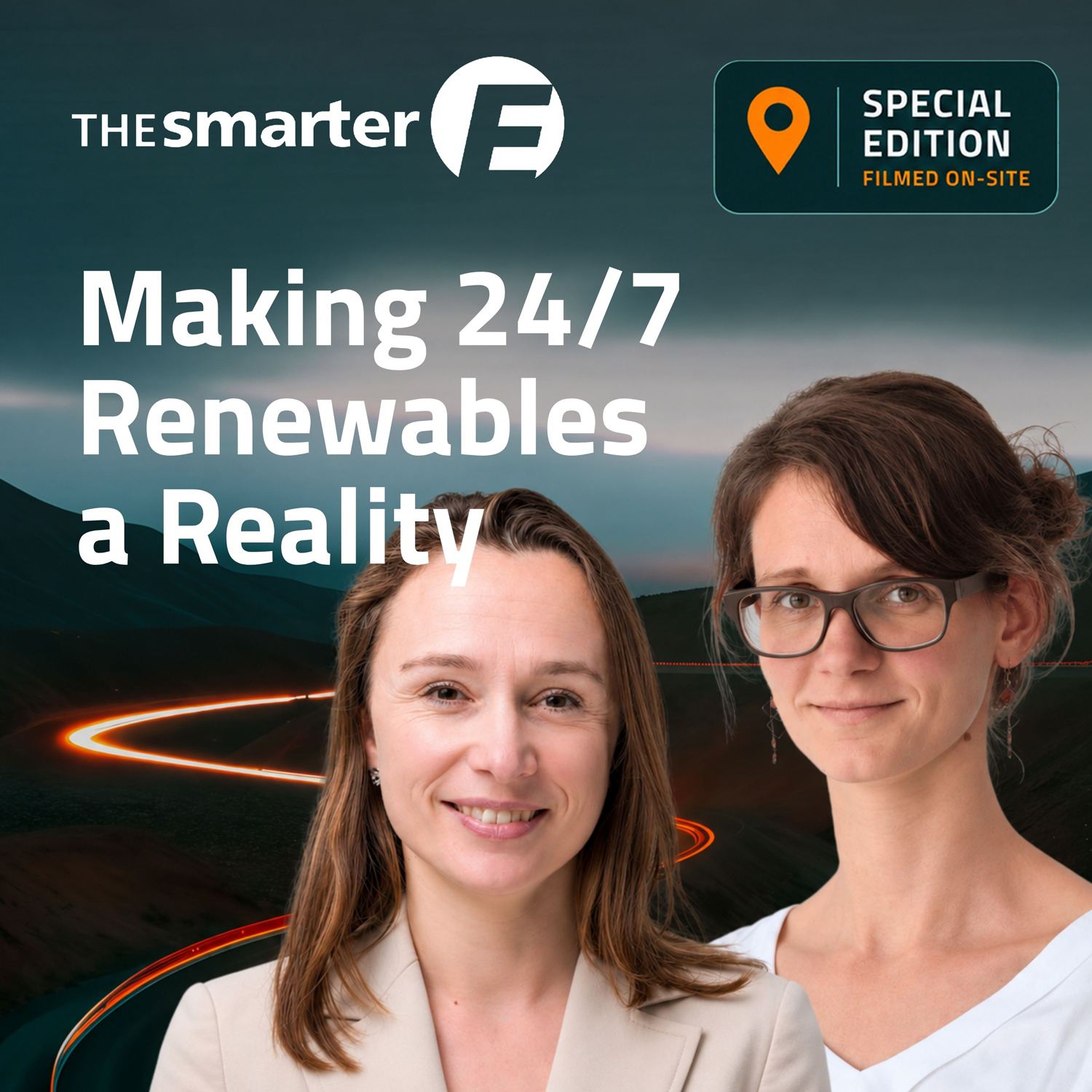
Update on global solar and inside “24/7 renewable Germany”
Description
The Dunkelflaute has become one of the most persistent arguments against a fully renewable energy system. When the sun isn’t shining and the wind isn’t blowing, where is our energy supposed to come from?
Detailed new modeling from Germany’s Fraunhofer ISE suggests these “dark doldrums” are a challenge – but should not be enough to halt the energy transition. The bigger challenge to be overcome is how the flexibility needed to manage low-renewable energy periods can be embedded into the country’s energy system.
Recorded at The smarter E Europe 2026 in Munich, host Jonathan Gifford speaks with Fraunhofer ISE senior scientist Charlotte Senkpiel about what it would take for Germany to reach climate neutrality with wind and solar at the heart of its energy system. And the result is not only good for the climate, it’s economically viable.
The outcome of the Fraunhofer ISE study goes well beyond simply building more renewables. Batteries, electric vehicles, flexible demand, strengthened and smarter grids, international interconnectors, and dispatchable backup all have roles to play – while electrification dramatically reduces Germany’s dependence on fossil-fuel imports.
And when prolonged periods of low wind and solar do arrive? The modeling shows how batteries, demand flexibility, electricity imports, and a limited use of hydrogen or synthetic-fuelled generation can work together to keep the system running.
In the second part of the podcast, Global Solar Council CEO Sonia Dunlop joins the episode to discuss the push to unlock agrivoltaics and rooftop solar worldwide – and why she believes a near-term slowdown in global PV deployment doesn’t change solar’s mid-term trajectory.
What the episode crystallizes: a 24/7 renewable energy system is about building an energy system flexible enough to handle the variability of wind and solar, and how it’s cheaper to do so.
✉️ Questions, comments or suggestions? Reach us at podcast@thesmartere.com