Episode Details
Back to Episodes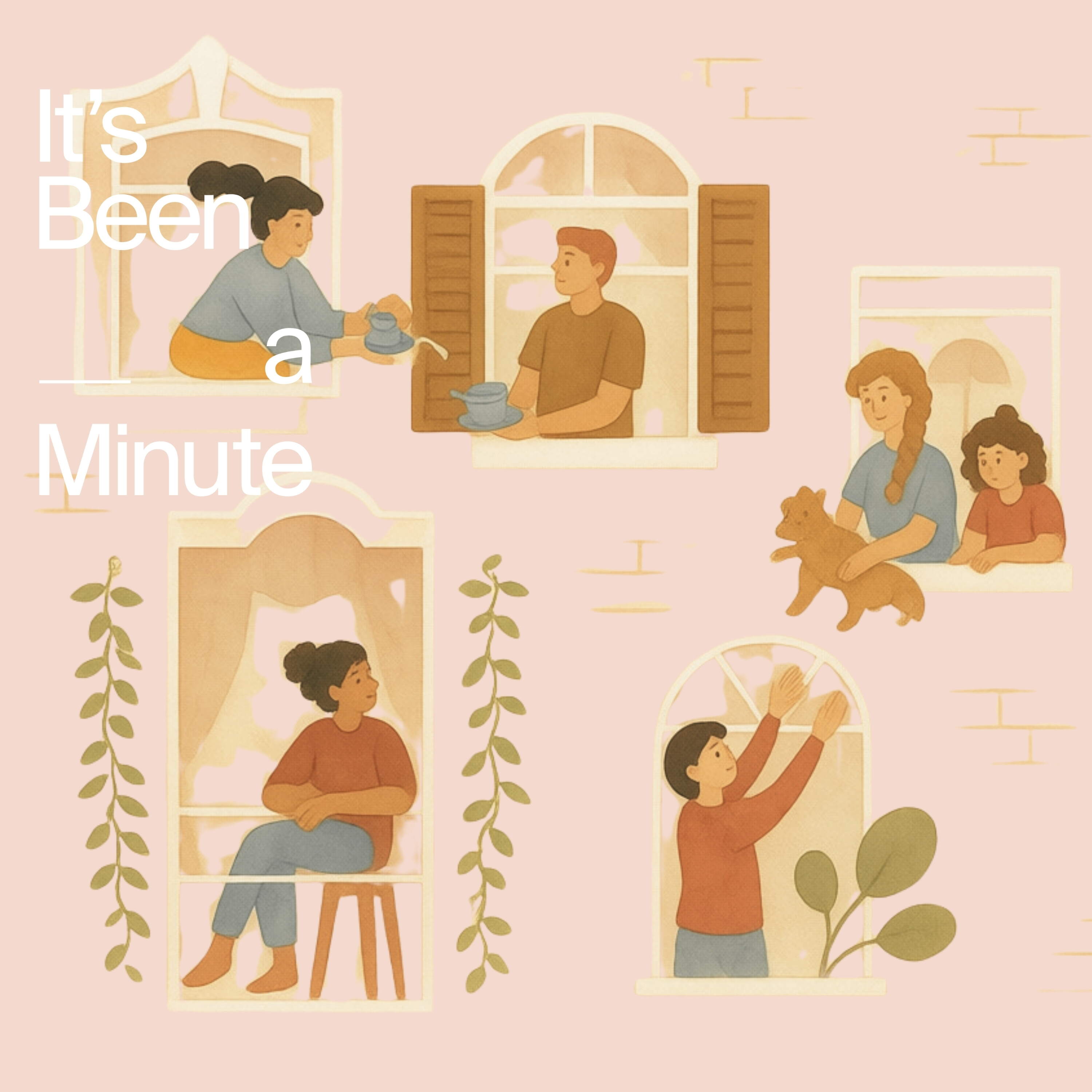
The rise of 'intentional living'
Published 2 weeks, 4 days ago
Description
Does everyone need their own lawnmower?
For a lot of people, living with your spouse and kids in a standalone house with a white picket fence is, more or less, the American dream. But people aren’t as likely to get married and have kids as they used to – and buying a house is more unattainable than ever. But even for those who don't share this particular American dream, alternatives -- like living alone or with roommates you don't really talk to -- can sometimes feel alienating, or like a last resort. But the proponents of communal living say things can be different. Communal living can look like co-living – where people choose to live with others in one house or building – or co-housing – which is a community built around a group of houses. They are intentional communities where people build shared lives together – and they don't have to be blood-related or romantically involved. All Things Considered producer Jordan-Marie Smith wanted to know – what might be driving people to live communally? And can communal living be seen as a viable, first choice adult living situation?
Jordan-Marie shares her reporting with Brittany on what she found out.
For more episodes on culture and how we build our lives, check out:
To be or not to be a parent
The safety and power of knowing your neighbors
How to survive a millennial midlife crisis
Support public media with NPR+ and enjoy perks for over 25 podcasts like this one. This show’s perks include sponsor-free listening. Learn more at plus.npr.org.
See pcm.adswizz.com for information about our collection and use of personal data for sponsorship and to manage your podcast sponsorship preferences.
NPR Privacy Policy
For a lot of people, living with your spouse and kids in a standalone house with a white picket fence is, more or less, the American dream. But people aren’t as likely to get married and have kids as they used to – and buying a house is more unattainable than ever. But even for those who don't share this particular American dream, alternatives -- like living alone or with roommates you don't really talk to -- can sometimes feel alienating, or like a last resort. But the proponents of communal living say things can be different. Communal living can look like co-living – where people choose to live with others in one house or building – or co-housing – which is a community built around a group of houses. They are intentional communities where people build shared lives together – and they don't have to be blood-related or romantically involved. All Things Considered producer Jordan-Marie Smith wanted to know – what might be driving people to live communally? And can communal living be seen as a viable, first choice adult living situation?
Jordan-Marie shares her reporting with Brittany on what she found out.
For more episodes on culture and how we build our lives, check out:
To be or not to be a parent
The safety and power of knowing your neighbors
How to survive a millennial midlife crisis
Support public media with NPR+ and enjoy perks for over 25 podcasts like this one. This show’s perks include sponsor-free listening. Learn more at plus.npr.org.
See pcm.adswizz.com for information about our collection and use of personal data for sponsorship and to manage your podcast sponsorship preferences.
NPR Privacy Policy