Episode Details
Back to Episodes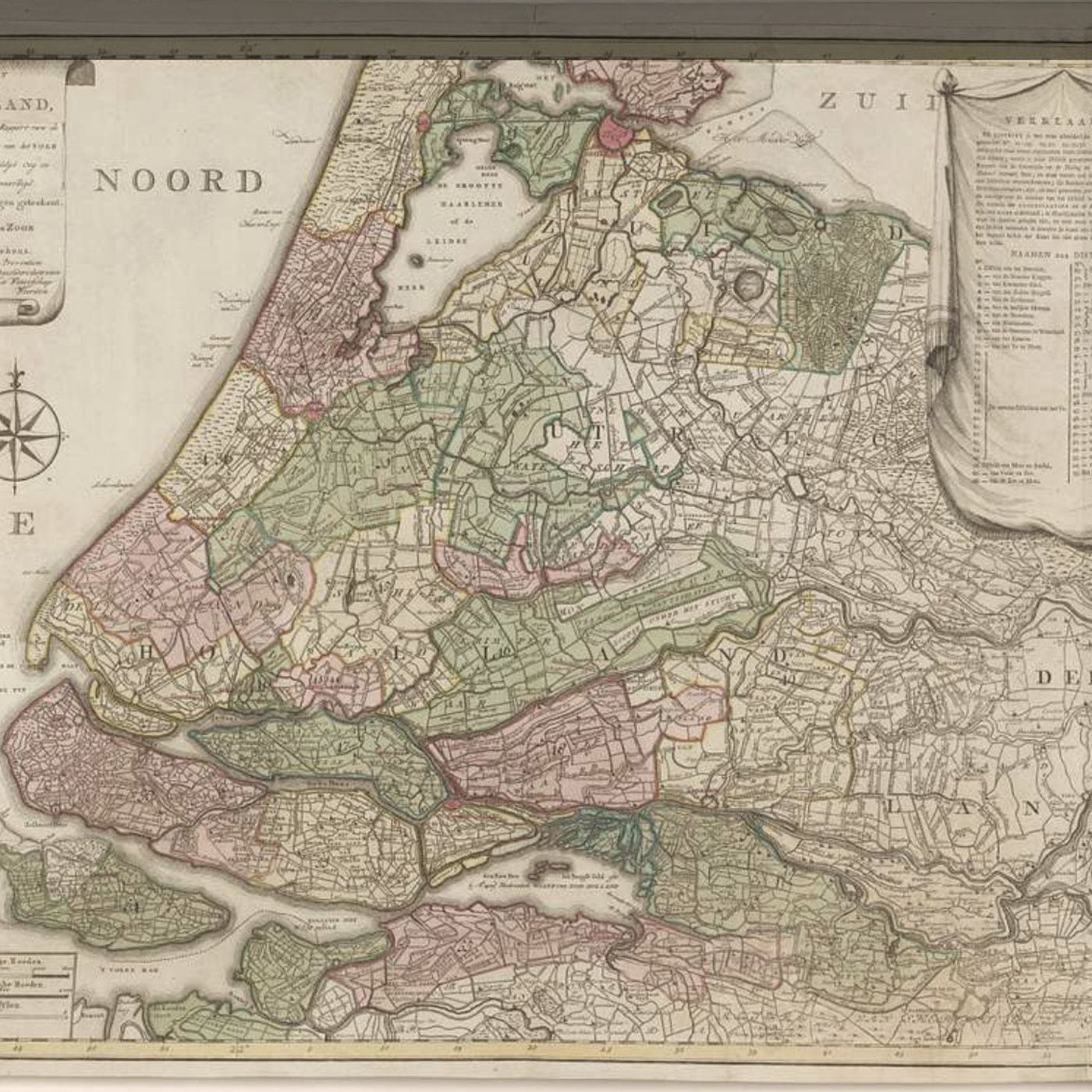
S8 Ep1185: SCHEDULE FOR THE JOHN BATCHELOR SHOW, 7-31-2026 1790 SOUTH HOLLAND Jeff Bliss reports a refrigeration fire in Boyle Heights ha
Season 8
Episode 1185
Published 2 months, 2 weeks ago
Description
SCHEDULE FOR THE JOHN BATCHELOR SHOW, 7-31-20261790 SOUTH HOLLANDJeff Bliss reports a refrigeration fire in Boyle Heights has released a toxic stench and caused an explosion in local rat and insect populations. Residents remain displaced due to overpowering toxic aftereffects. Simultaneously, a massive heat dome and hurricane-driven surf are hitting the Southwest. L.A. County lifeguards performed nearly 1,200 rescues last Saturday, facing dangerous conditions and substance abuse issues on crowded beaches escaping the intense heat. (1)Jeff Bliss notes Governor Gavin Newsom is preparing for a 2028 presidential run, but past controversies are resurfacing. A Vanity Fair article by Ruby Rippey-Tourk, his former mistress and the wife of his then-campaign manager, accuses Newsom of being "careless" and "cruel" during their 2007 affair. His wife, Jennifer Siebel Newsom, is also being criticized for shaming Rippey-Tourk, leading to questions about the Newsoms' commitment to women's advocacy. (2)Richard Epstein examines New York City's proposed "pied-à-terre tax," which targets non-primary residences but threatens middle-class and working homeowners. Epstein argues the tax is unfairly structured, hitting condominiums at five times the rate of houses. The complex valuation process creates a "vicious circle" that could plummet property values. Consequently, wealthy residents are already fleeing, resulting in a $12 billion annual revenue loss for the city. (3)Richard Epstein turns to Deputy Attorney General Todd Blanche, under fire for signing a document that allegedly exempts the President from IRS scrutiny regarding past and future taxes. Epstein characterizes this as a "scandalous" misuse of public trust and a misapplication of the law. He argues that if the President used his office for private financial benefit, it constitutes an impeachable offense, while Blanche should face potential disbarment. (4)Jim McTague takes a road trip through Owensboro, Kentucky, revealing a "K-shaped" economy where retail business is "dead" for blue-collar residents relying on federal aid. Conversely, Jeffersonville, Ohio, is experiencing a "gold rush" as Amazon and Honda build massive data and battery centers. However, some local residents feel overwhelmed by progress, lacking the imagination or education to capitalize on these high-tech industrial shifts and training opportunities. (5)Jim McTague reports that in Lancaster County, Republican representatives are introducing legislation that adds red tape and taxes to data centers, contradicting traditional pro-growth principles. While the Democratic-led Lancaster Cityhas embraced a lucrative data center deal, blue-collar "Trump country" boroughs remain fearful of the future. Despite these tensions, the local economy remains "steady" due to a diversified base including agriculture, pharmaceuticals, and senior citizen spending. (6)Peter Huessy explains the foundation of U.S. nuclear strategy is the triad, ensuring launch capabilities from land, sea, and air. Developed after the 1957 Sputnik launch, this framework replaced "massive retaliation" with "flexible response." Huessy explains that this survivable deterrent prevents adversaries from achieving a total victory with a single strike. Despite calls for unilateral disarmament, the triad remains essential for holding at risk what adversaries value most. (7)Peter Huessy warns the U.S. now faces a tri-polar nuclear threat from Russia and China, both of which are modernizing their arsenals "gangbusters." Meanwhile, U.S. systems haven't been updated in 40 years, leaving the deterrent "fragile." Allied nations in Asia, specifically South Korea and Japan, are increasingly questioning the U.S. nuclear umbrella and considering their own deterrents as regional tensions and Chinese missile capabilities grow. (8)Henry Sokolski reports a proposed nuclear agreement with Saudi Arabia is causing alarm due to potential uranium enrichment capabilities. Sokolski warns that