Episode Details
Back to Episodes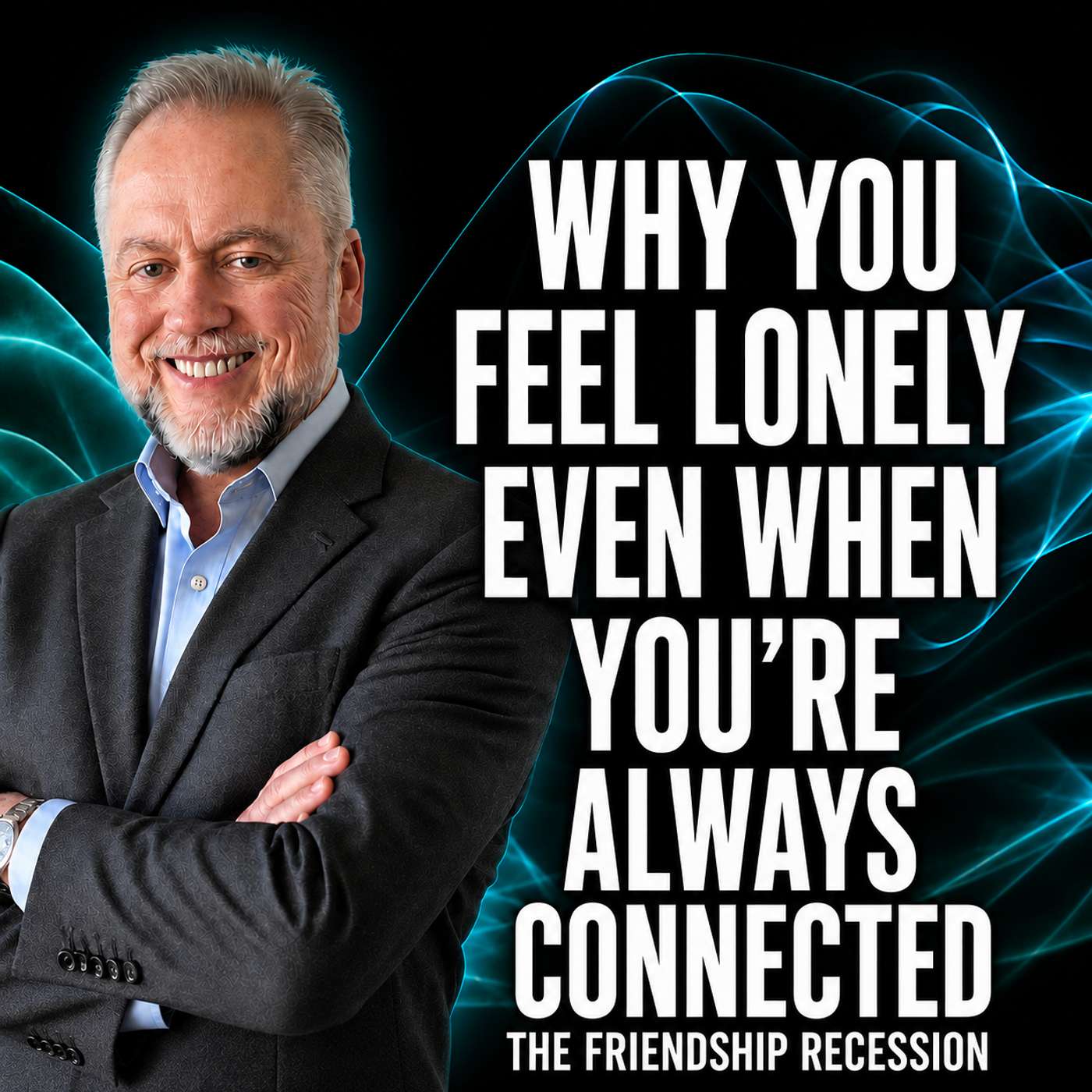
The Friendship Recession: Why We’re Connected but Still Lonely
Description
How many people could you call at 11 p.m. and know they would answer?
We have never had more ways to connect—and yet many of us feel increasingly alone. In this episode of Holding Space, Dr. Christopher Barker examines the “friendship recession” and the difference between having access to people and having relationships in which we feel genuinely known.
Modern life has made everything more efficient. We work remotely, shop online, communicate through screens, and schedule nearly every interaction. But in the process, we have lost many of the repeated, ordinary encounters through which friendships once developed naturally.
Dr. Barker explores:
• Why adult friendships depend on repeated contact
• The difference between solitude and loneliness
• How familiarity creates safety, disclosure, and intimacy
• Why public vulnerability is not the same as genuine connection
• How therapeutic terms can sometimes make relationships feel disposable
• Why boundaries should make intimacy safer—not impossible
• The unique challenges men can face when building friendships
• Why friends are attachment figures who carry parts of our personal history
• Practical ways to begin rebuilding a meaningful social life
Friendship does not require perfect compatibility or perfectly regulated people. It grows when imperfect people continue showing up for one another.
Sometimes rebuilding connection begins with one message, one recurring activity, or simply becoming a regular somewhere—until someone notices when you are absent and asks, “Where were you last week? We missed you.”
Learn more about Dr. Christopher Barker at www.drchristopherbarker.com.