Episode Details
Back to Episodes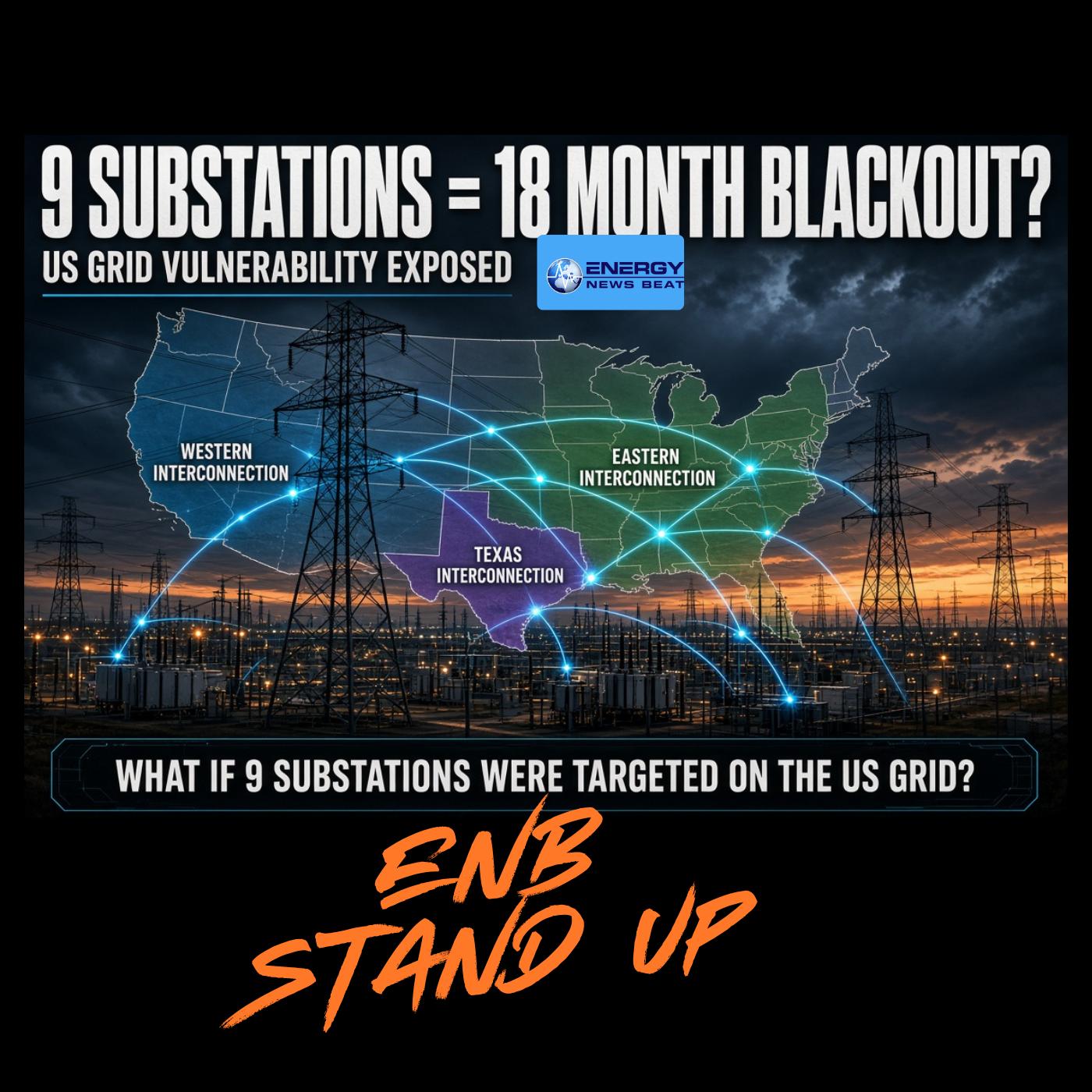
Is an 18-Month Blackout on the Horizon? Energy's Perfect Storm
Description
Welcome to the Energy Newsbeat, where host Stu Turley breaks down the ten most critical energy stories shaping global markets and infrastructure. In this episode, we explore a landscape marked by unprecedented challenges and opportunities: from the alarming vulnerability of the U.S. power grid to coordinated cyberattacks, to Iraq's aggressive push to double oil production and reshape Middle Eastern energy politics. As geopolitical tensions escalate—with Ukraine striking Russian refineries and the U.S. tightening sanctions on Iran—the global energy market faces historic supply constraints, record-high refining margins, and tanker costs that are reshaping fuel prices worldwide. Meanwhile, the explosive growth of AI data centers is creating a power demand crisis that threatens to overwhelm manufacturing capacity for years to come. This episode examines how these interconnected forces—from grid security and sanctions effectiveness to renewable energy policy and oil market dynamics—are fundamentally transforming the energy landscape and what it means for consumers, investors, and national security.
1. U.S. Grid Vulnerability & Blackout RiskThe host discusses the critical vulnerability of the U.S. power grid to coordinated attacks on substations. Former FERC chairman John Wellinghoff warned that targeting just nine key substations could cause an 18-month nationwide blackout, potentially affecting millions. The episode emphasizes the importance of backup power systems and preparedness.
2. Iraq's Oil Production Expansion & OPEC DynamicsIraq is aggressively pursuing plans to double its oil production capacity to 8-10 million barrels per day, with major oil companies (Chevron, Exxon, BP) securing new contracts. The discussion explores whether OPEC will allow this expansion and how Iraq is building export routes through Turkey to bypass the Strait of Hormuz.
3. Sanctions on Iran & Their EffectivenessThe episode covers U.S. Treasury Secretary Bessen's sanctions strategy against Iran, examining whether sanctions are effectively constraining Iran's oil exports. Evidence shows Iran's exports have collapsed from 1.8-2.1 million barrels per day to near zero, though Iran is finding workarounds using land-based truck transport.
4. Drone Threats to Oil InfrastructureThe UAE has installed massive metal cage structures over oil storage tanks in Abu Dhabi for anti-drone protection—a response to increasing drone strikes on energy infrastructure in the Ukraine-Russia conflict. This reflects how modern warfare is changing energy security.
5. Ukraine's Strikes on Russian RefineriesUkraine has successfully struck major Russian refineries, including the Lukoil refinery in Perm, degrading Russia's refining capacity and military fuel supply. This has significant global oil market implications.
6. Diesel Supply Shortages & Crack SpreadsHedge funds are reducing bearish bets on European diesel, signaling expected fuel supply shortages. U.S. crack spreads (the profit margin for refining) have hit record highs at $102 per barrel, driven by tight inventories and high tanker costs—not refinery gouging.
7. AI Data Center Power Demand CrisisGE Vernova's gas turbine backlog has hit 116 gigawatts with delivery delays until 2031. The episode explores how AI data centers' massive power appetite is creating a manufacturing bottleneck, forcing companies to "bring your own power" (BYOP) solutions.
8. Floating Offshore Wind Farms in BritainThe UK is moving to expensive floating offshore wind farms with 200 new turbines and 300-400 kilometers of cables. The host argues this approach will increase energy costs and require natural gas backup, contradicting net-zero goals.
9. Winter Gasoline Waiver & Ethanol PolicyThe Trump administration issued an emergency waiver allowing early transition to winter-grade gasoline to help curb prices. The host advocates for eliminating ethanol mandates, arguing it wastes energy an