Episode Details
Back to Episodes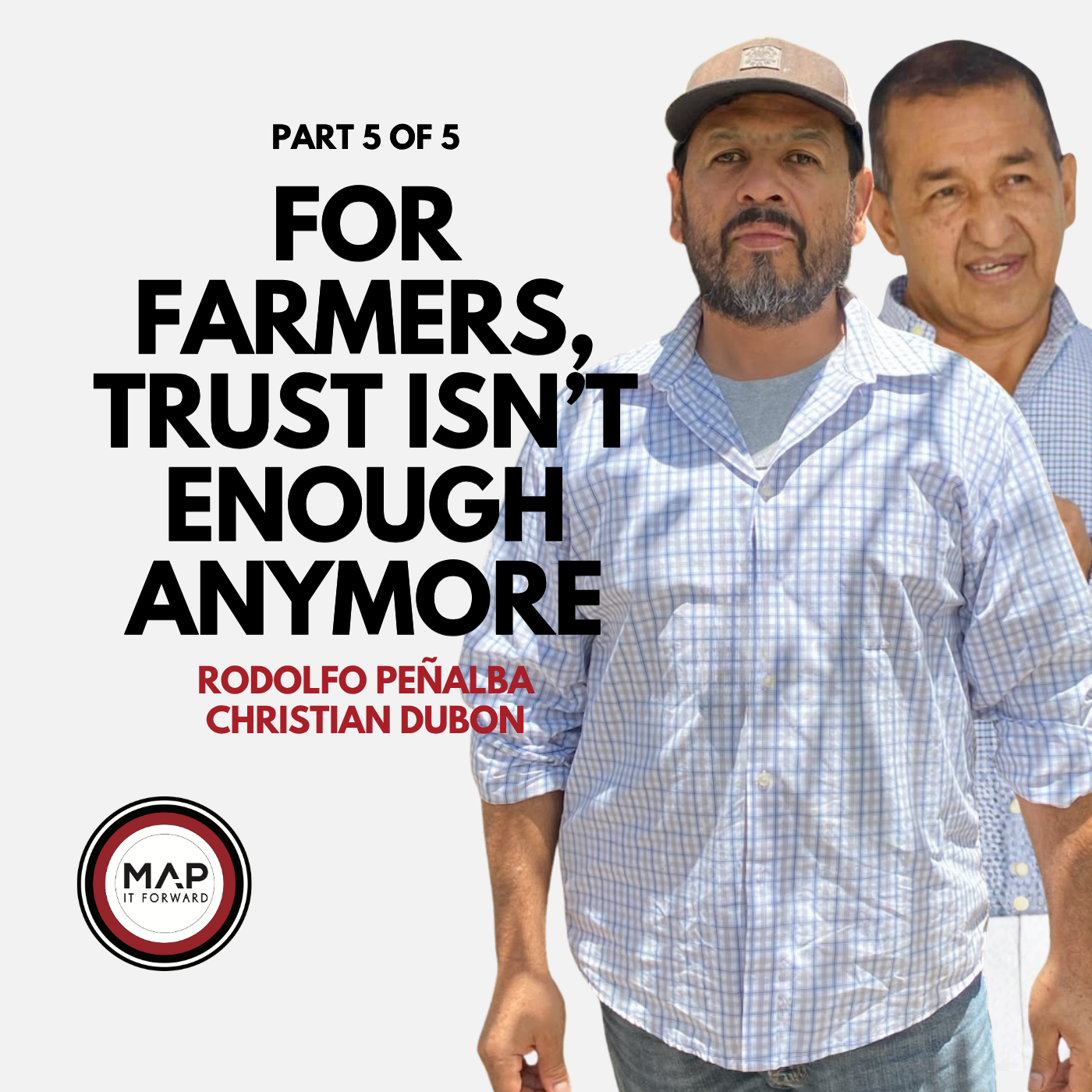
EP 1665 Part 5 of 5 | After Benecke: How Should Coffee Cooperatives Protect Themselves? (Benecke and COMSA) | Map It Forward
Description
Advertising Sponsor
This episode is brought to you by Map It Forward Podcast Advertising. Interested in advertising on this podcast? Email support@mapitforward.org to learn more.
Episode Description
This is the final episode of a five-part series on The Daily Coffee Pro Podcast by Map It Forward with Rodolfo Peñalba, General Manager of COMSA, and Cristian Dubón, a board member and coffee producer from the cooperative in Honduras.
Across this series, COMSA has described a commercial relationship with Benecke Coffee that developed over more than two decades, expanded significantly during the 2024/25 season, and ultimately left the cooperative pursuing approximately USD 2.7 million through Benecke’s insolvency proceedings.
In this final episode, we step outside the immediate dispute and ask a bigger question:
What should the global coffee industry learn from this?
For COMSA, one lesson is already clear.
Trust alone is no longer enough.
Rodolfo explains that COMSA is considering changing how it structures future coffee transactions so that buyers do not receive the original shipping documents before payment has been secured.
That could mean working through banks, letters of credit or other payment mechanisms that allow an importer to confirm the coffee is on its way without gaining control of the original documents until payment has been made.
Those systems may increase transaction costs, but COMSA says the experience with Benecke has forced the cooperative to rethink how much financial risk it can continue carrying on behalf of buyers.
Rodolfo also discusses the need for stronger due diligence on importing companies and better access to information about the financial health of counterparties in destination countries.
The conversation then turns to the human consequences of the dispute.
Rodolfo says the amount COMSA is pursuing is equivalent to approximately the annual income of more than 700 farming families.
For COMSA, this is not simply an unpaid commercial invoice.
It affects money intended for farmers, families, food, education, medicine and the repayment of bank financing used to fulfil the contracts.
We also examine the role of Fairtrade.
COMSA says Fairtrade certification helped the cooperative grow, access international markets and obtain better prices. But Rodolfo questions whether equivalent scrutiny exists on the buyer side of the supply chain.
Produce