Episode Details
Back to Episodes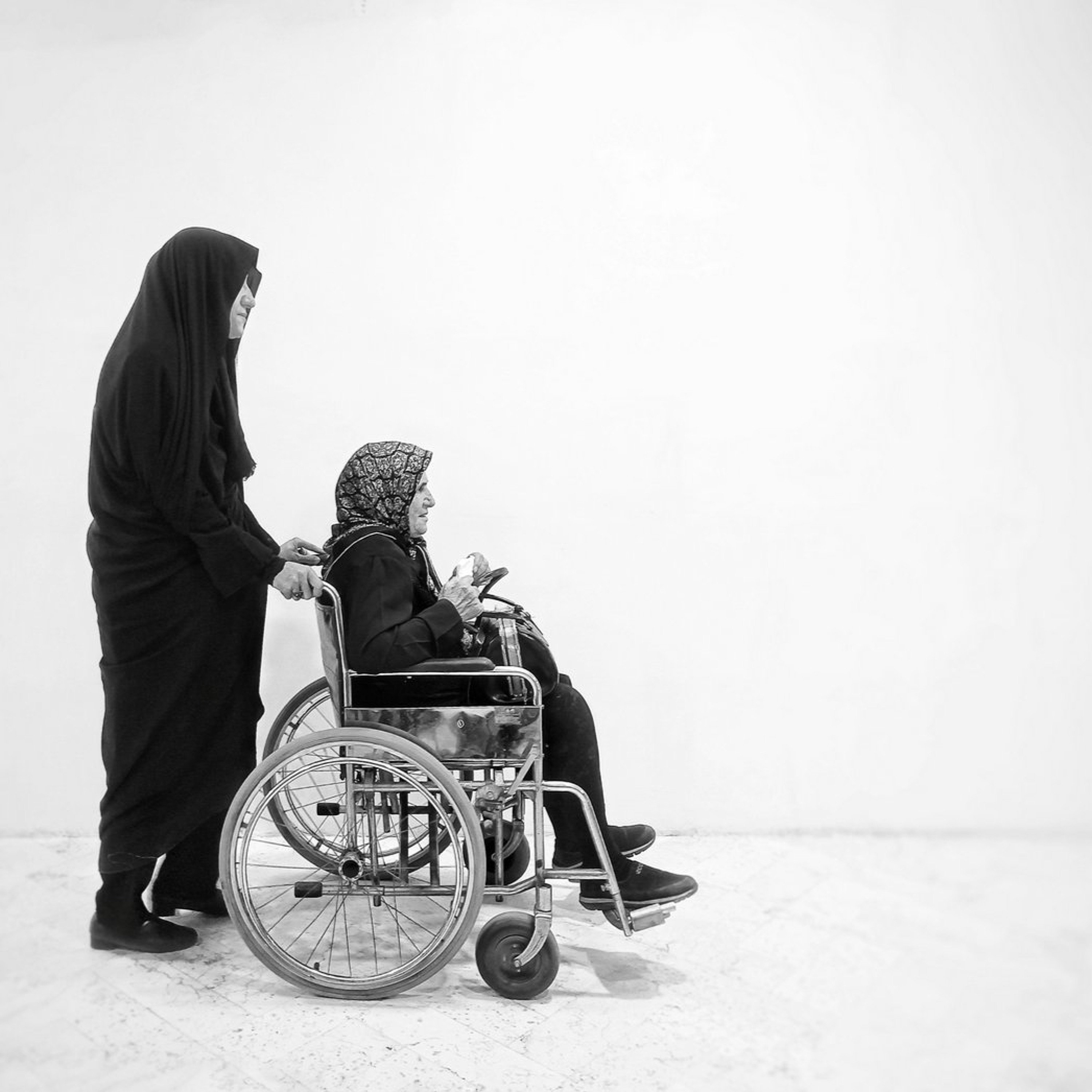
Civilian protection has a dependency-chain problem
Published 2 weeks ago
Description
Civilian protection is often assessed by whether a person has been warned, evacuated, registered, sheltered or reached with relief. For many persons with disabilities, each measure depends on a wider chain: support persons, assistive devices, accessible communication, transport, medication, electricity, rehabilitation and local services. This post introduces the dependency-chain test and links it to existing international humanitarian law (IHL) rules on proportionality, precautions, warnings, evacuation, displacement, non-discrimination and relief.
Lassi Murto is a Finnish disability-rights advocate, Chair of SMA Finland and Programme and Thematic Advisor at Abilis Foundation. He lives with spinal muscular atrophy and uses personal assistance in daily life. Writing in a personal capacity, he argues that IHL does not need a new legal category for every support relationship. Disability-inclusive interpretation, informed by the Convention on the Rights of Persons with Disabilities (CRPD), can instead help reveal what existing rules require when civilian safety depends on relationships, devices, services and infrastructure around the person.