Episode Details
Back to Episodes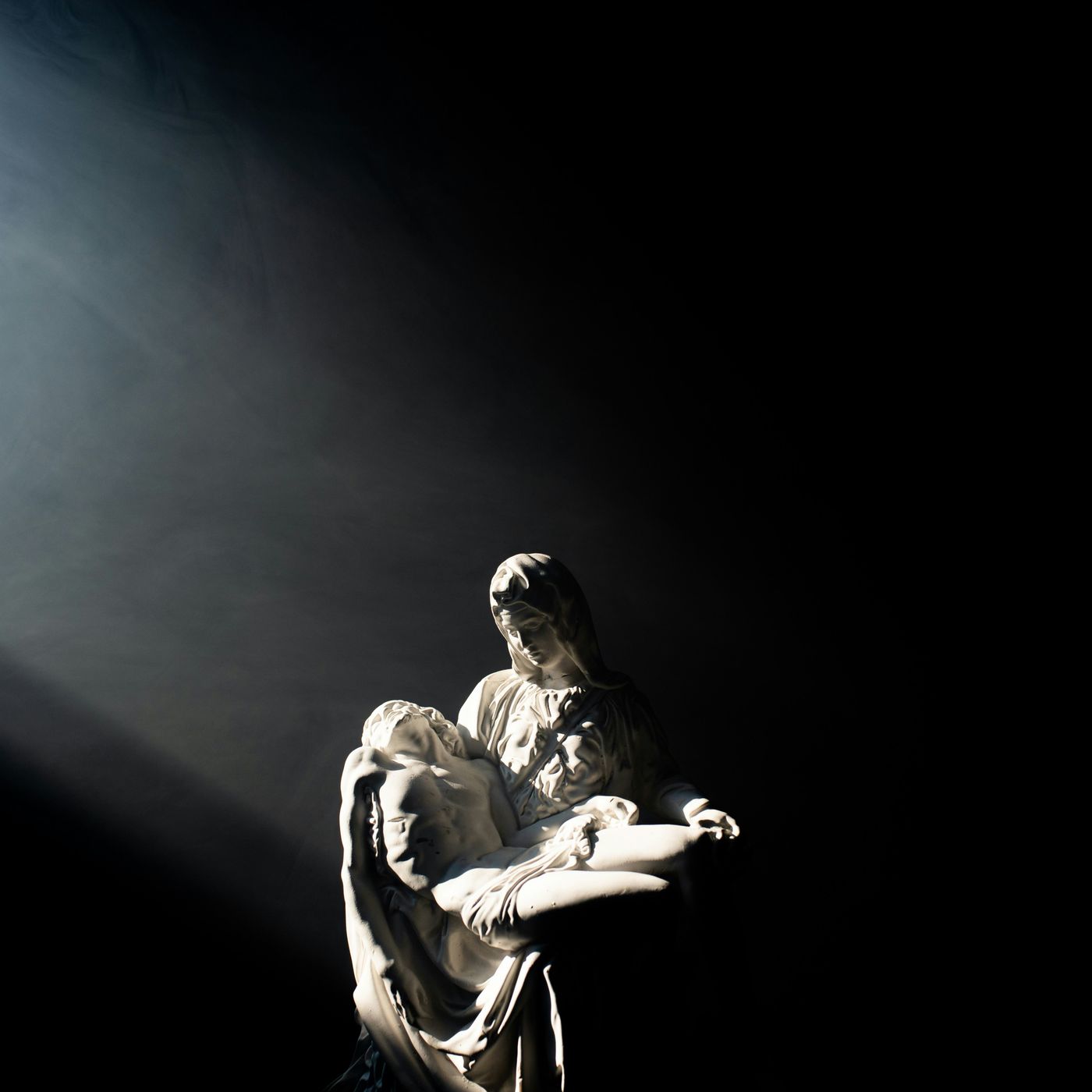
Mary’s Fiat: Saying "Yes" to God
Published 3 weeks, 2 days ago
Description
The Reality of MotherhoodI know from observation—not experience—that motherhood is difficult. When a woman conceives a child, things change in almost every conceivable way. Her body changes. She may become sick. She will suffer physical aches and extreme fatigue. Psychologically, she suffers, perhaps because of the strange sense that a new life is growing within her. And at the end of this long nine-month period, there is of course birth, and after that, joy that a child is born.But of course, the mother then has these awesome new responsibilities to reckon with: care for a baby, for an infant, for a toddler, for a child, for an adolescent—and on and on it goes. This is a deeply sacrificial process. The mother sacrifices her own physical wellbeing; in a sense, she sacrifices her youth, she sacrifices her comfort, she sacrifices her time, her energy, her strength, her life, to take care of a child that can offer nothing to her except its complete dependence, and in time, its love.I mention all of this because I want, in some way, to help us imagine what real motherhood actually looks like, and to think about the Blessed Virgin Mary’s life in this context of reality. It is very easy to spiritualise Mary’s story and to skip over the very real sense of what happened to her. She was called by God, primarily and fundamentally, to become a mother. Yes, it was in extremely strange and indeed unique circumstances, and she would be the mother of the most important person who ever lived—but she was still a mother. And crucially, when she was called by God to be a mother, she said yes to Him.Mary’s Fiat: The First Great Human YesMary’s yes to God is the first great human yes of the New Testament. The angel Gabriel said to her, “You will conceive and you will bear a son, and you will call his name Jesus.” And of course, Mary asked the entirely reasonable question, “How can that be, since I am a virgin?” And the angel replied, “The Holy Spirit will come upon you, and the power of the Most High will overshadow you.” And after these words came the crucial response: “Behold, I am the handmaid of the Lord; let it be according to thy word.”That phrase, “let it be,” is translated into the Latin in the ancient text with one word—Fiat—which means “let it be.” And friends, I ask you this morning to consider the greatness of this Fiat. Mary was told that she would remain a virgin and yet conceive. Not very much information was given apart from that. What would that have meant to her at the time for her relationship with Joseph, her betrothed? How would she live given the social stigma that would certainly attend such a bizarre occurrence? Who would this child really be? What would he do, and what would this entail? Again, not much of this was clear at the time. Mary didn’t have all the answers, but she said yes anyway—and she had to keep on saying yes throughout her life.Later on, when Jesus was presented at the temple, the old man Simeon blessed the holy family, but he prophesied that their child would be a sign that is opposed, and he told Mary specifically that a sword would pierce through her own soul also. And yet she continued to say yes. She continued to be a faithful mother and, in time, to be the disciple of her own son. And the sword did indeed pass through her soul when, at the end, she relinquished all to God as she watched Jesus—her own son—suffer and die upon the cross.Consider the greatness of Mary as she continued to say yes through all of this. Is there any greater suffering than that of parents for their children? Is there any greater grief than to watch one’s own child suffer and die? And yet this is what Mary did out of her obedience and love for God. Friends, consider her greatness, consider her Fiat, consider her yes to God.Mary as Prototype of Our DiscipleshipAnd yet the question we might ask is: What does that mean for me? How does it relate to me? I’m going to suggest two things, but these two things are really the same thing