Episode Details
Back to Episodes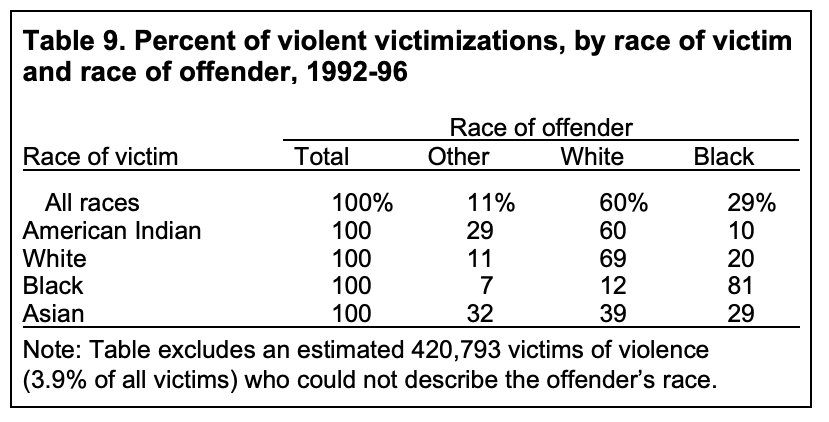
US Indian Women Suffer High Rates of __ (The Why is Hidden)
Description
Simone and Malcolm examine the Missing and Murdered Indigenous Women, Girls, and Two-Spirit (MMIWG2S) movement and the dominant narrative that frames high rates of violence against Native women primarily as the legacy of settler colonialism, racism, and systemic failures.
They dig into historical intertribal warfare and raiding practices, the actual circumstances of Sacagawea’s life (captured as a child, sold, and one of multiple wives of a fur trapper by age 16), National Institute of Justice and CDC data on perpetrators of violence and homicide, Canadian statistics showing the large majority of accused are Indigenous, reservation versus off-reservation patterns, tribal sovereignty and property rules, residential school claims, the smallpox-blanket episode in context, and internal corruption during the Trail of Tears.
The discussion challenges the “noble savage” framing, argues that most violence is intra-community, and questions whether preserving certain cultural and legal structures is helping or harming the people living under them. Strong language and dark historical accounts throughout.
Show Notes
Note: If you want to know how we’ve been gaslit about historical American Indians, watch Matt Walsh’s What Schools Don’t Teach You About American Indians
Another note: Acronyms: American Indian/Alaska Native (AI/AN)
There’s a movement called called MMIWG2S
I first learned about it, ironically, from TheHolyBall, because of his song MMIWG2SLGBTQQIA+
I was like… what is MMIWG2S?
MMIWG2S stands for Missing and Murdered Indigenous Women, Girls, and Two-Spirit people. It is a grassroots movement and a term used to describe and bring awareness to the severe, disproportionate rates of systemic violence, kidnapping, and murder faced by Indigenous communities across the United States and Canada
According to organizations like the Coalition to Stop Violence Against Native Women, violence against Native women and children is primarily framed as a legacy of Spanish and Euro-American invasion, settler colonialism, and continuing structural forces such as anti-Indigenous racism, bordertown violence, police brutality, and failures within the judicial system.
Wow, that sounds bad. Is it true? I thought that broadly speaking, most acts of violence and murder are committed by people with whom the victim is close.
National Institute of Justice Findings
The most cited national estimate is NIJ’s 2010 National Intimate Partner and Sexual Violence Survey analysis, published in 2016
* It found that 97% of American Indian or Alaska Native women who reported one or more of these forms of lifetime violence had experienced at least one incident involving a non-American Indian/Alaska Native or/interracial perpetrator; 35% had experienced at least one incident involving an AI/AN/intraracial perpetrator.
* These numbers do not mean 97% of incidents were committed by non-Indigenous people and 3% by Indigenous people. The categories overlap: a woman who was harmed by both an Indigenous and a non-Indigenous perpetrator appears in both columns. NIJ explicitly says its analysis measured whether someone had any interracial and/or intraracial victimization, not the count of incidents by each group.
* For scale, the same survey found that 84.3% of AI/AN women reported one or more of the measured forms of lifetime violence: 56.1% sexual violence, 55.5% physical intimate-partner violence, 48.8% stalking, and 66.4% psychological aggression by an intimate partner.
Love PodBriefly?
If you like Podbriefly.com, please consider donating to support the ongoing development.
Support Us