Episode Details
Back to Episodes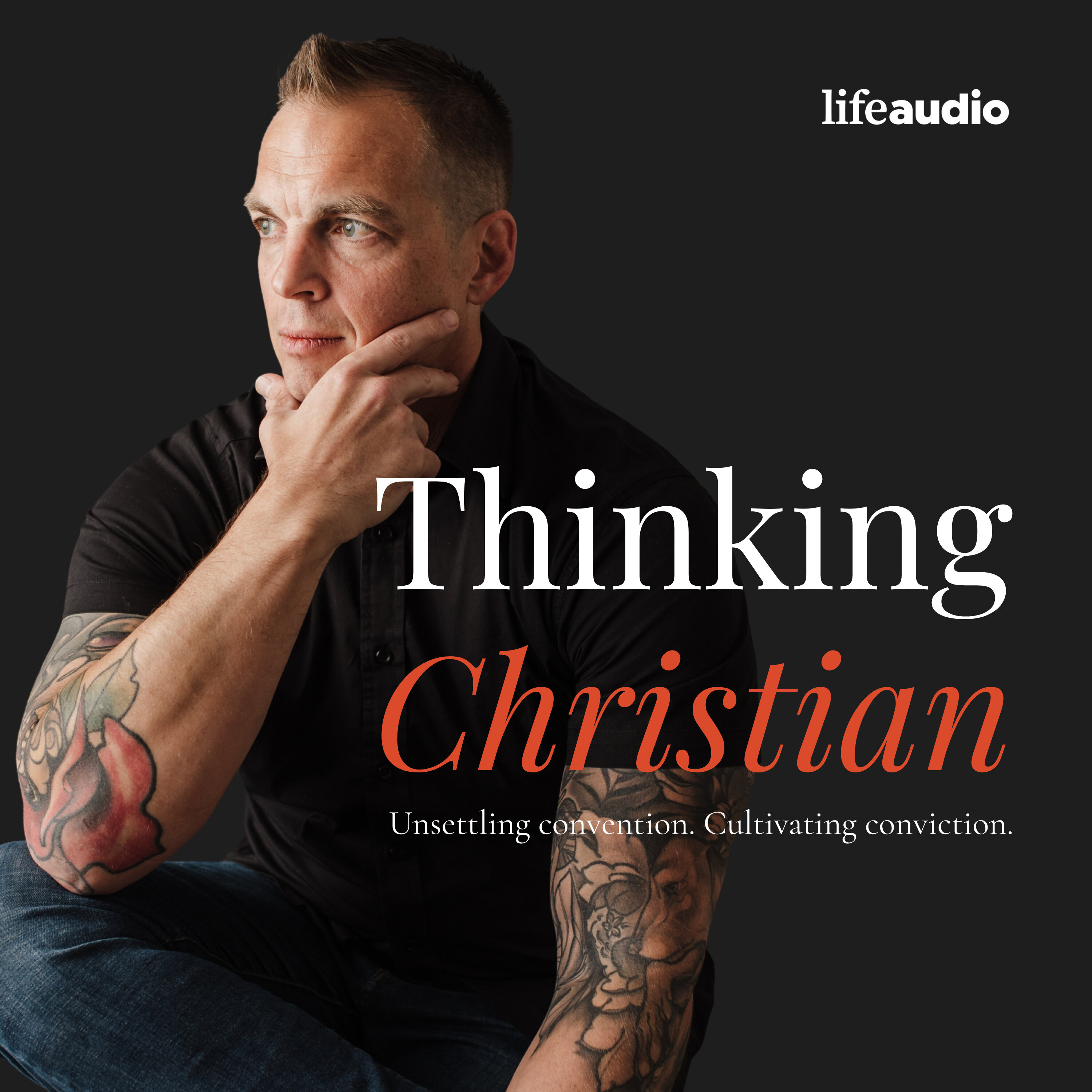
Why Ezra-Nehemiah Ends Badly (Gary Edward Schnittjer)
Description
Ezra-Nehemiah opens on a high note. Yahweh keeps the word he spoke through Jeremiah, Cyrus issues the edict, and the exiles go home. By the last chapter, Nehemiah is walking the city alone, pulling out men's hair and cursing them, and the collective repentances that filled the middle of the book have evaporated. Dr. Gary Edward Schnittjer argues that most of the literature, popular and technical alike, has quietly declined to read that ending as an ending.
In this episode, Dr. James Spencer talks with Dr. Schnittjer about his forthcoming commentary on Ezra-Nehemiah in the Baker Commentary on the Old Testament series. They start with the hyphen. Ezra-Nehemiah is one book split across two scrolls for the same practical reason Samuel, Kings, and Chronicles were split, and reading half of an already difficult book makes it nearly unreadable. From there they work through what happens when you let the ending stand: if the exile was supposed to reform the people, it did not, and God will have to keep his word some other way.
Along the way, Nehemiah 8 through 10, where the people ask Ezra for the Torah scroll at the Water Gate on an ordinary day, study Scripture together for eleven days, and then sign an oath committing themselves to a standard higher than the one Torah sets. The canonical question of why the Hebrew Bible ends in Chronicles on a note of hope while Ezra-Nehemiah ends in failure. And the mass divorces, which Dr. Schnittjer reads against the grain of the usual explanations. The book never calls these others Gentiles or foreigners. It calls them non-covenantal. The pressure was economic before it was ethnic, and Ezra-Nehemiah keeps the camera on the whole community rather than the individual households.
Go deeper: Trajectories
Thinking Christian is hosted by Dr. James Spencer, president of the D. L. Moody Center and author of Digital Discernment (InterVarsity Press). Each conversation reads the Bible as the final authority for life and faith, questioning the assumptions of our culture, even our Christian culture, so that we don't settle for a narrower vision than God's word offers.
Unsettling convention. Cultivating conviction.
Episodes, articles, and questions: thinkingchristian.org
About James Spencer: thinkingchristian.org/james
The Thinking Christian Framework: thinkingchristian.org/framework
Order Digital Discernment: amazon.com
Subscribe: YouTube · Apple Podcasts · Spotify
Advertising and partnership inquiries: info@thinkingchristian.org
Dr. Gary Edward Schnittjer is distinguished professor of Old Testament for Cairn Theological Seminary at Cairn University. He writes at Carpenter's Student.
Get Ezra-Nehemiah (Baker Commentary on the Old Testament) at amazon.com.
This is part two of our conversation. In the previous episode we discussed Connected: How Scripture Guides the Study of Scripture, and in the next two episodes we turn to inter-biblical exegesis and Old Testament Use of Old Testament in Parallel Layout.
Discover more Christian podcasts at
Listen Now
Love PodBriefly?
If you like Podbriefly.com, please consider donating to support the ongoing development.
Support Us