Episode Details
Back to Episodes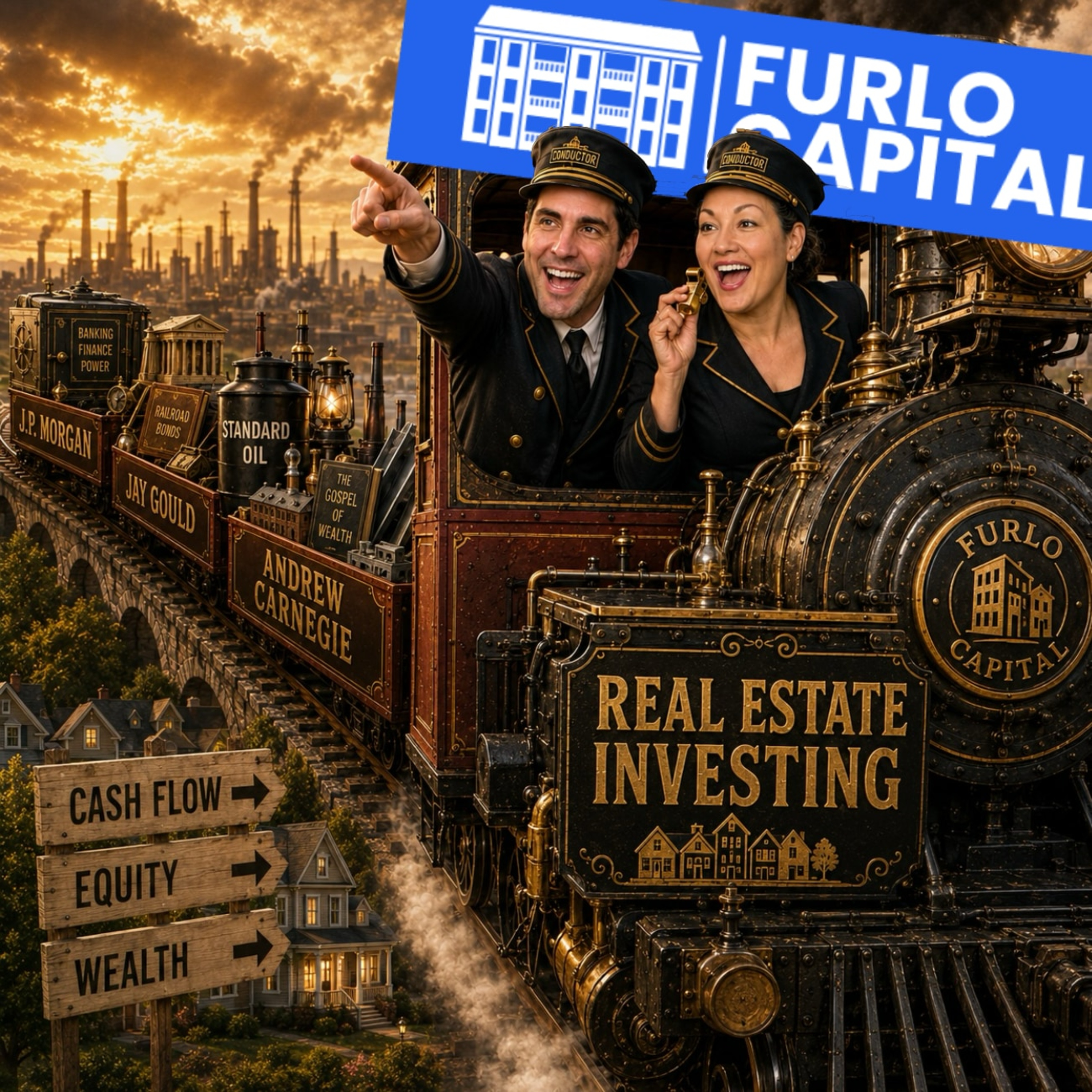
What Four Gilded Age Tycoons Still Teach Real Estate Investors Today | Ep 137
Description
Jay Gould once came within days of secretly cornering an entire region of American railroads, using shell companies to hide what he was doing, before someone blew the whistle. He's one of four Gilded Age tycoons who each picked a completely different strategy for building wealth in an economy with no SEC and no rules. Two of those strategies are still exactly how real estate investors build wealth today.
This conversation walks through a book called The Tycoons and the four men who, according to it, invented the American super economy: Andrew Carnegie, John D. Rockefeller, Jay Gould, and J.P. Morgan. Each one solved the same basic problem, how to build wealth in a lawless, capital-scarce, information-scarce economy, in a completely different way. Carnegie vertically integrated everything from the ore to the mills and bought competitors cheap during every panic. Rockefeller refused to diversify and drove his refining costs so low he ended up controlling ninety percent of the world's oil. Gould flipped distressed, undervalued railroads and wasn't above lying or running shell companies to do it. Morgan did none of that. He built trusts, imposed order, and personally helped stabilize the U.S. Treasury in 1895, before the Federal Reserve even existed.
Key Moments
- 00:00 Introduction
- 2:06 A World With No Rules: Business Before the SEC
- 5:04 Andrew Carnegie and the Power of Buying During a Panic
- 10:04 John D. Rockefeller's Path to Ninety Percent of the Oil Market
- 14:12 Jay Gould's Railroad Gamble That Almost Cornered an Entire Region
- 18:13 J.P. Morgan and the Banker Who Stabilized a Nation in Crisis
- 23:15 Which Tycoon's Strategy Fits Today's Market
- 25:01 What These Four Fortunes Still Teach Investors
Key 5 Lessons
- Control what you can control, your inputs, not your exit price: Carnegie couldn't set the price of steel, but he owned the ore, the rails, and the mills that fed his furnaces, so his margins held no matter what the market did.
- Niche focus and likability can beat scale and fear: Rockefeller controlled ninety percent of world oil and his own competitors still respected him, while Carnegie dominated steel and was remembered as ruthless.
- An asset nobody wants isn't worthless, it's mispriced: Gould made his fortune buying distressed, unstandardized rail lines other investors avoided, then figuring out exactly what was broken and fixing it.
- Someone has to be the calm one when markets panic: Morgan personally helped stabilize the U.S. Treasury in 1895 because he'd built a reputation as the banker who imposed order instead of chasing chaos.
- Reputation compounds like capital: Rockefeller's competitors sold to him willingly because they respected him, which meant he never had to fight as hard for the deals that made him richest.