Episode Details
Back to Episodes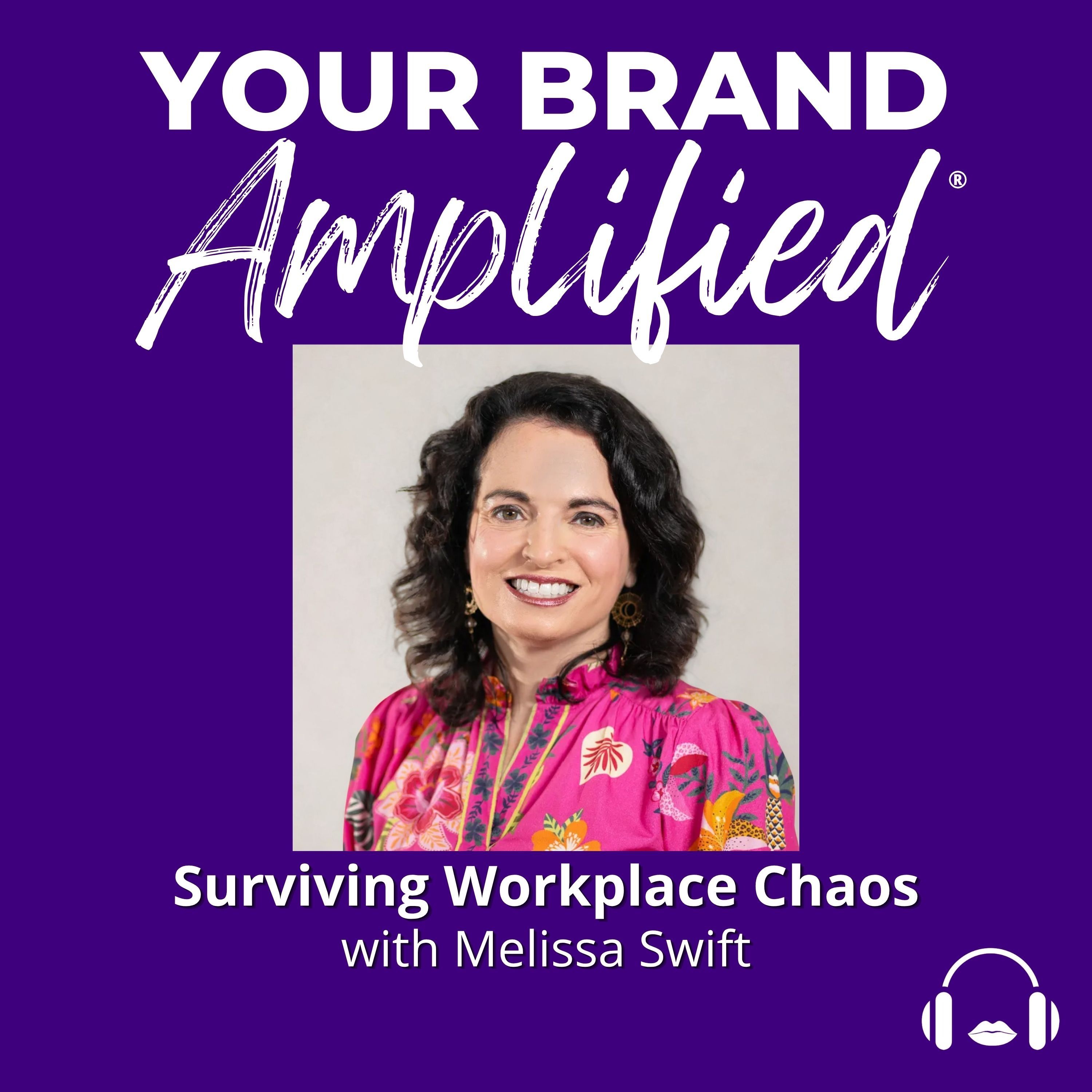
Reclaiming Your Power: Surviving Workplace Chaos and Doing Great Work with Melissa Swift
Description
Reclaiming Your Power: Surviving Workplace Chaos and Doing Great Work with Melissa Swift
Anika sat down with Melissa Swift, founder and CEO of Anthrome Insight, to tackle the reality of the modern workday: constant interruptions, hyper-emotional environments, and overwhelming chaos. Following the release of her new book, How to Do Great Work in a Fast Changing World, Melissa shares why systemic organizational changes are great, but individuals need actionable survival strategies now. Drawing on research from high-stakes professionals like firefighters and ER doctors, this conversation provides a practical framework for identifying your true strengths, dealing with chaotic colleagues, and recognizing when a job is fundamentally broken.
In This Episode
- The COVID-era breaking point that inspired a shift from organizational strategy to individual empowerment
- Breaking down the "Effectiveness Architecture": Knowledge, Methods, People, and Technology
- The self-checkout paradox: why automating tech actually requires a massive increase in human "soft skills"
- The four trends making us less effective at work, with a deep dive into navigating chaos
- Natural chaos (the science of surprises) versus the frustration of people operating chaotically
- The Muppet Theory of Management: knowing when to deploy your "Order Muppets" vs. "Chaos Muppets"
- What corporate America can learn from firefighters about deep tech mastery and acute role clarity
- How organizations inadvertently gaslight employees by hiring them for jobs the company culture actively rejects
- Three concrete steps you can take this week to carve out space and reclaim your sanity
Timestamps
- 00:00 Introduction: Operating effectively in a fast-changing world
- 01:17 Why Melissa's audience demanded a book focused on individual survival strategies
- 02:52 The COVID breaking point and the metaphor of the empty Soviet streetcar
- 04:13 The Effectiveness Architecture: simplifying 30,000 skills into four core pillars
- 06:46 Why technology rollouts fail without the proper "people skills" training
- 09:38 Four trends destroying workplace effectiveness: intensification, emotion, transparency, and chaos
- 11:23 Natural chaos vs. human chaos (and the Muppet theory of team dynamics)
- 14:48 What white-collar workers can learn from the training habits of firefighters
- 19:51 The myth of the "skills gap" and the untapped power of self-directed learners
- 23:55 Identifying your superpower (Knowledge, Methods, People, or Tech) and overcoming stereotypes
- 29:45 Why role clarity is the first casualty of chaos and how to get it back
- 33:50 How to recognize if your job is fundamentally broken or set up to fail
- 39:08 Three actionable steps to reclaim your effectiveness and boundaries this week
- 43:35 Favorite quote: Oscar Wilde on the vital art of brevity
Key Insights & Takeaways
Insight 1: The Effectiveness Architecture Simplifies Work
Instead of getting bogged down in corporate frameworks boasting 30,000 different micro-skills, individual effectiveness boils down to four clear pillars: Knowledge, Methods, People, and Technology. Identifying which pillar is your natural superpower (and which is your weakest link) allows you to partner with complementary colleagues and combat workplace stereotypes.
Insight 2: Automation Requires More "People Skills," Not Less
When companies automate roles (like introducing self-checkout lanes), they often underestimate the human element. The remaining workers suddenly have to act as IT support, security, and customer de-escalation all at on