Episode Details
Back to Episodes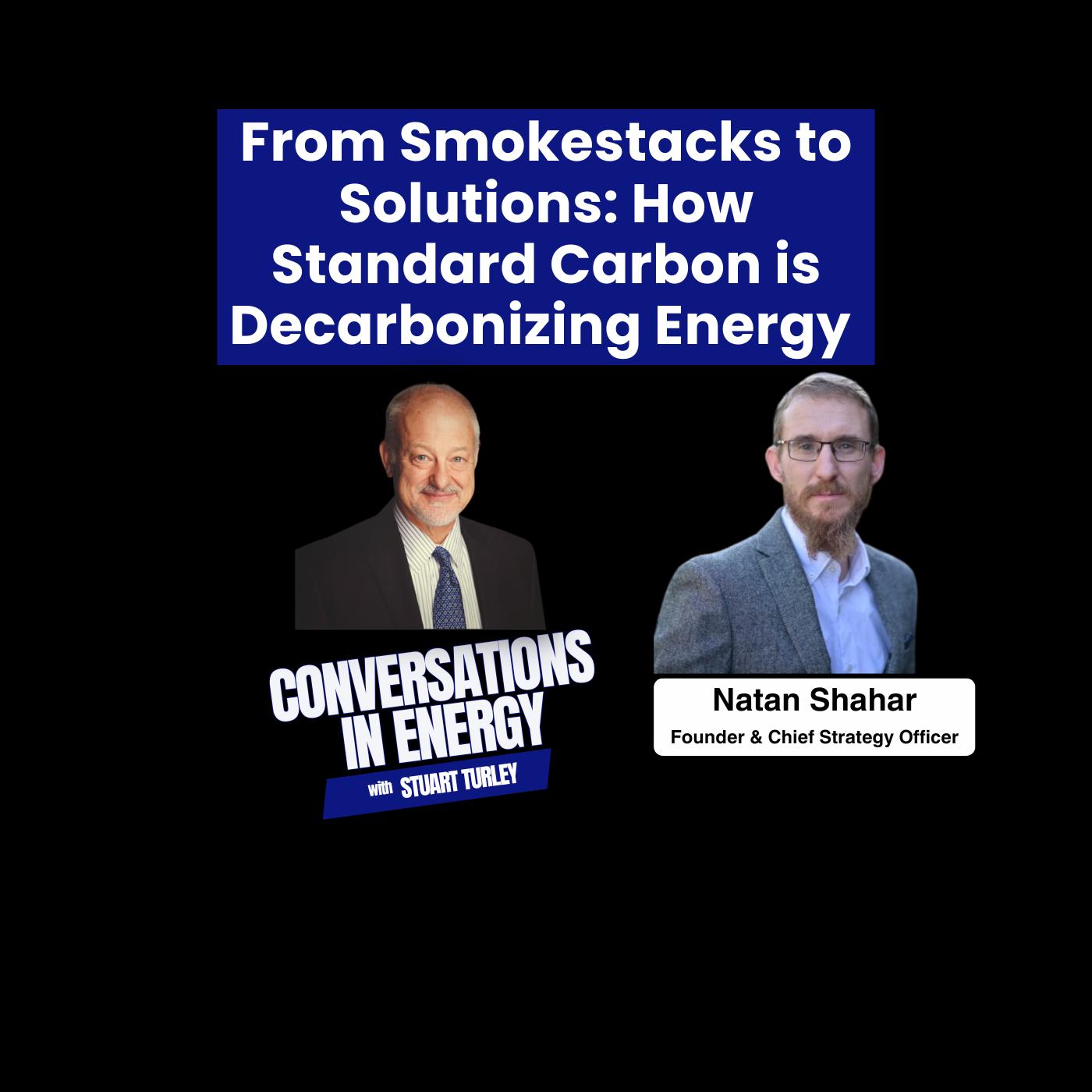
From Smokestacks to Solutions: How Standard Carbon is Decarbonizing Energy
Description
What if the solution to the alleged climate change was hiding in plain sight—literally in the smokestacks of power plants, factories, and boilers around the world? On this episode of the Energy Newsbeat Podcast, host Stu Turley sits down with Natan Shahar, founder of Standard Carbon, to explore a breakthrough technology that's turning CO2 emissions into pipeline-grade natural gas. Drawing inspiration from Mars mission architecture and driven by New York City's aggressive climate regulations,
Standard Carbon has cracked the code on making clean energy economically viable—not through subsidies or carbon credits, but through clever energy arbitrage. With commercial systems already operating in Manhattan and Israel, and a growing pipeline of contracts from Europe to Pakistan, Shahar reveals why this technology could be the missing piece in the global energy puzzle, solving not just climate concerns, but the energy security crisis facing nations worldwide.
For Blue States and Countries following Net Zero policies, this podcast is critical. Consumers and constituents want low-cost energy with the least impact on the environment. Couple that with wind and solar needing dispatchable power to fill in when the wind does not blow, or the sun does not shine. Producing natural gas out of CO2 that is burning from coal, or other industrial processes, is a real win for everyone. For countries that still have coal plants, this would be a much more cost-effective way to bring them into the Net Zero world rather than just shutting them down.
1. Standard Carbon's Core TechnologyThe company produces pipeline-grade natural gas (methane) from CO2 emissions captured from combustion sources like power plants, boilers, cement factories, and refineries. They capture CO2 from smokestacks and convert it into usable natural gas through a process combining three established technologies: amine-based carbon capture, low-pressure alkaline electrolysis, and 19th-century Sabatier methanation chemistry.
2. Operational Readiness & DeploymentStandard Carbon has deployed two commercial-scale systems—one in Israel (2023) and one in New York City (2025). The NYC system is publicly accessible in Manhattan and operated by the Grove School of Engineering at City College, providing transparent, third-party verification of the technology's effectiveness.
3. Market Economics & Competitive AdvantagesThe business model focuses on three key factors:
- Cost of intermittent power: Using cheap, off-peak electricity (often negatively priced wind/solar power at night)
- Fossil fuel pricing: Competing against natural gas and LNG prices in different markets
- Regulatory incentives: Carbon pricing and decarbonization mandates
The company can produce gas competitively in markets like Europe and New York City, where LNG and fossil fuel prices are high.
4. Geographic Market OpportunitiesPrime markets include:
- New York City: Most aggressive climate regulations globally (3x higher carbon price than EU)
- Europe & UK: Strong decarbonization regulations and high LNG prices
- Japan, South Korea, Taiwan: Coal plants being reactivated; high energy security concerns
- Pakistan: Energy security crisis driving interest in energy independence
- Saudi Arabia & GCC countries: High oil-based electricity generation
The Strait of Hormuz chokepoint is critical for global energy supply. Recent developments include:
- UAE and Saudi Arabia pipeline expansions
- Iraq's new Mediterranean pipeline projects
- Pakistan's LNG crisis and power shortages
- Qatar cutting LNG/LPG exports
- European dependence on energy imports
- Biden Administration: Inflation Reduction Act rejected "imaginary" renewable credits; requires real-time renewable use
- Trump