Episode Details
Back to Episodes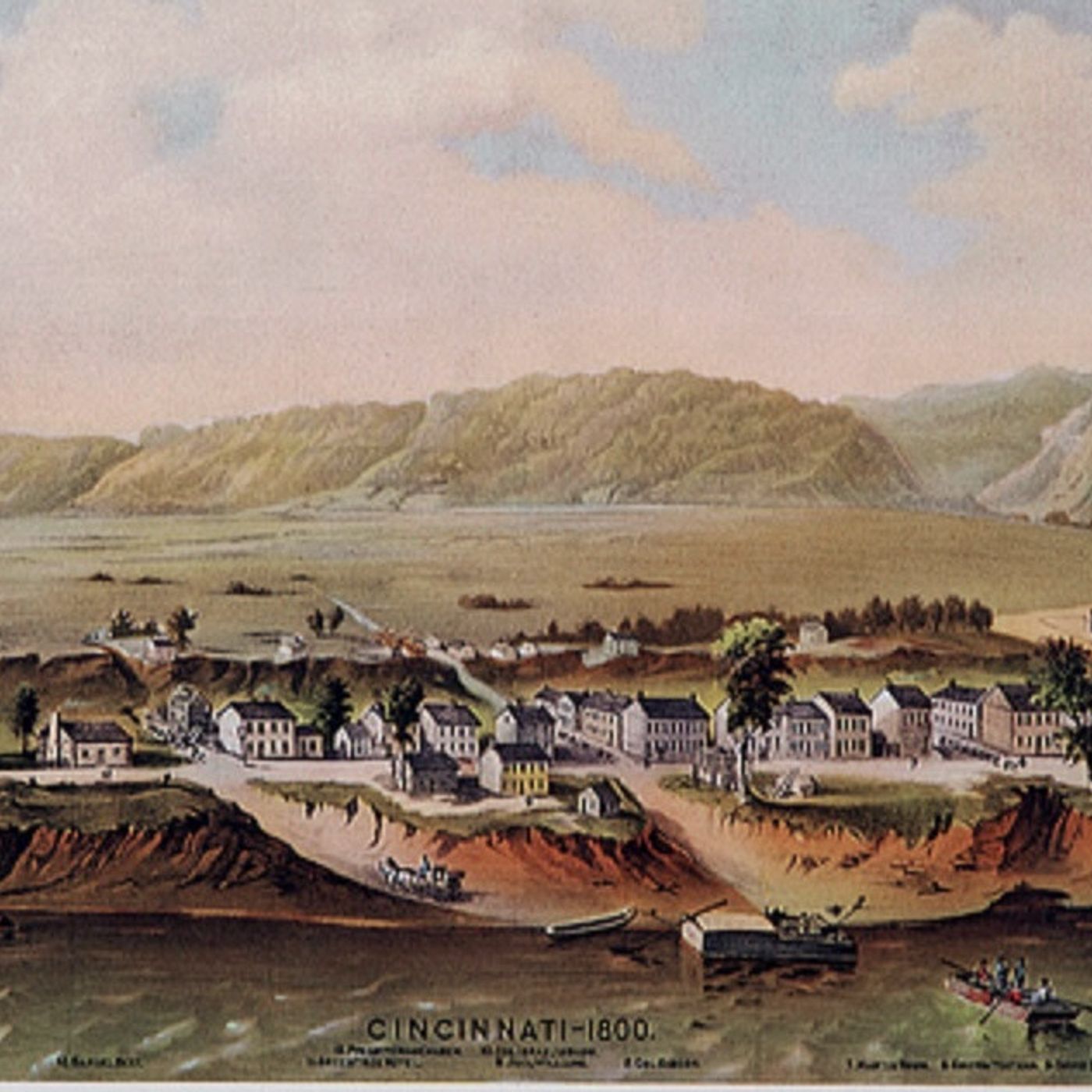
SCHEDULE FOR THE JOHN BATCHELOR SHOW, 7-30-2026 1800 CINCINNATI John Batchelor discusses with Simon Constable and Jim McTague the extreme weather conditions caused by a "super El Niño" year, leading to devastating wildfires in Canada and Europe.
Description
C Constable reports from France on the high heat and smoke impact near Bordeaux. The discussion shifts to surging energy prices, with Brent crude rising 26% and European gas up 36%. Despite high energy costs, rising copper prices suggest potential industrial growth. (1)
Simon Constable and Jim McTague continue with a quiz highlighting that typical data centers use 300,000 gallons of water daily, while larger ones can reach 5 million gallons. Currently, most centers are urban, but 67% of planned facilities are rural. In Lancaster County, a "tale of two data centers" emerges as one town embraces the revenue stream while another resists it due to misinformation and fear. (2)
Cliff May argues for maximum pressure and coercive diplomacy to prevent the Islamic Republic of Iran from obtaining nuclear weapons. He advocates for a naval blockade, specifically targeting oil exports from Kharg Island to strangle the regime's revenue. May emphasizes that the Iranian leadership's ideology makes them likely to use nuclear weapons, necessitating a strategy to cripple the regime's power. (3)
John Hardie and Bill Roggio cover the significant leadership change in Ukraine as General Drapatyi replaces General Syrskyi as commander-in-chief. Drapatyi is seen as a representative of a new, western-style generation of officers who embrace technological innovation and listen to subordinates. The transition aims to "desovietize" the military and maintain the momentum of successful drone offensives against Russian infrastructure. (4)
Anatol Lieven examines how the Ukraine and Iran conflicts are merging into one global struggle following a Ukrainiandrone strike on an Iranian vessel. This escalation threatens global energy supplies of refined oil products, as Russianrefineries struggle with capacity. While Ukraine targets the Russian middle class to undermine support for the war, Lieven warns of a widening proxy war involving China, North Korea, and Iran. (5)
Anatol Lieven turns to Britain's new political era under Prime Minister Andy Burnham, who is described as the Labour Party's "last chance" to address a discredited government. Burnham faces immense financial pressure, particularly regarding the costs of healthcare for the elderly and dementia. To succeed, he may need to pivot from "Net Zero" policies to prioritize energy needs and seek a new mandate through an election. (6)
Salvatore Vitale and Kalin Plunkett of MIT explain hierarchical merging, a process where black holes merge repeatedly to create larger "monsters." By analyzing gravitational waves from 155 binary pairs, they discovered that 14% are second-generation black holes, born from previous mergers rather than stellar collapse. These second-generation black holes are characterized by rapid spin and mass asymmetry, providing clues to how supermassive black holes form in galaxies. (7)
Salvatore Vitale and Kalin Plunkett continue: to uncover the origins of the Milky Way's supermassive black hole, scientists propose building larger gravitational wave detectors scaled up by a factor of ten. These advanced observatories would allow researchers to peer further back into cosmic history, potentially detecting black holes from the very early universe. Expanding the global network to four or five detectors would help pinpoint host galaxies and detect the formation of heavy elements. (8)
Listen Now
Love PodBriefly?
If you like Podbriefly.com, please consider donating to support the ongoing development.
Support Us