Episode Details
Back to Episodes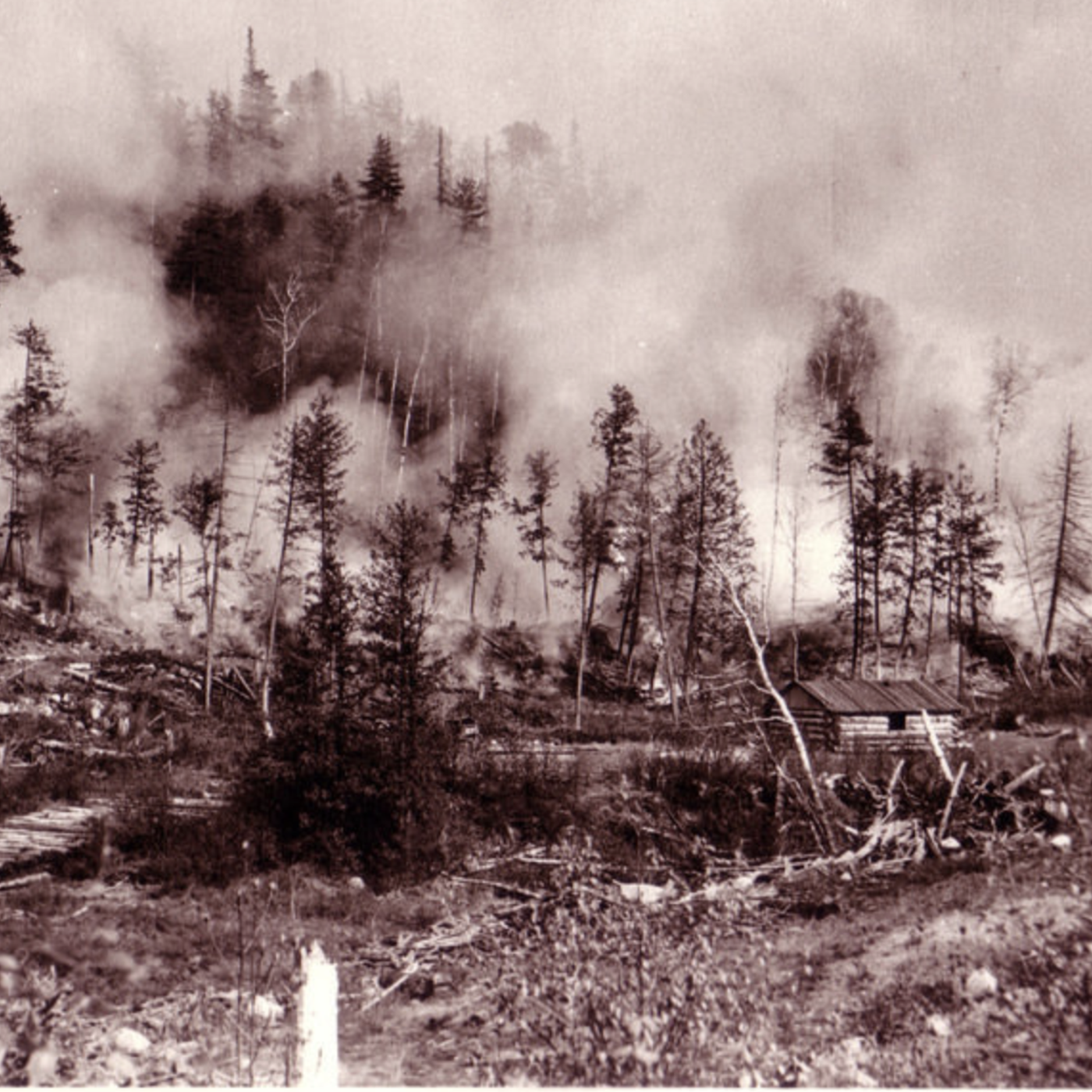
SCHEDULE FOR THE JBS, 7-23-2026 1950 ONTARIO WILDFIRE
Description
SCHEDULE FOR THE JBS, 7-23-2026
1950 ONTARIO WILDFIRE
Evan Ellis examines Mexico's economy, increasingly integrated into the American market and moving beyond oil into diverse manufacturing sectors. Despite Trump administration objections to the USMCA, the treaty includes provisions requiring a ten-year exit process. Current negotiations reflect tensions over Chinese inputs, automotive tariffs, and labor standards. President Claudia Sheinbaum manages these diplomatic challenges while cooperating with the US on extradition, drug lab seizures, and stemming illegal immigration through Mexican territory. (1)
Evan Ellis reports Cuba faces a severe humanitarian crisis with failing electricity, yet the communist regime maintains tight control. A recent State Department report labels Cuba the "capital of 21st-century communism," citing its subversion of Latin American democracies and involvement in left-wing political terrorism. Meanwhile, in Nicaragua, Daniel Ortega and Rosario Murillo have officially abolished future elections, claiming the opposition seeks to "capture power" through voting. This moves the country toward becoming a "hermit kingdom." (2)
Evan Ellis notes former Honduran President Juan Orlando Hernández returned to Honduras following a pardon by President Trump, despite previous US convictions for cocaine trafficking. In Venezuela, the US has collected over $13 billion in oil revenue, yet economic recovery remains muted following recent earthquakes. The lack of transparency regarding these funds raises concerns about their management under the Rodríguez regime. Simultaneously, Colombia's new leader faces the challenge of dismantling entrenched cocaine cartels. (3)
Evan Ellis surveys Brazil's high-stakes election, with Lula da Silva currently leading Flavio Bolsonaro in polling. New 25% US tariffs threaten nearly 26% of Brazil's exports, totaling $15 billion in goods. Tensions rise as the Supreme Courtblocks high-profile visitors like Argentina's Javier Milei from meeting the elder Bolsonaro. Many Brazilians believe the elder Bolsonaro's influence triggered these punitive trade measures, while the military remains the largest force in South America. (4)
Kaitlyn Tiffany recounts how, following JFK's assassination, Lyndon Johnson convened the Warren Commission to consolidate intelligence from the FBI, CIA, and Dallas police. The commission included controversial figures like Allen Dulles and Gerald Ford, the latter of whom clandestinely back-channeled with the FBI. Chief Justice Earl Warren was reluctant to serve, fearing the political nature of the committee and its impact on the American image. Critically, the commission lacked its own independent investigative staff. (5)
Kaitlyn Tiffany describes how FBI Director J. Edgar Hoover quickly established the "lone gunman" theory, asserting Lee Harvey Oswald fired three shots from the Texas School Book Depository. However, Shirley Martin, a grieving Oklahoma housewife, began independently investigating the case and badgering the FBI with tips. Her relentless correspondence frustrated Hoover, who viewed her a
Listen Now
Love PodBriefly?
If you like Podbriefly.com, please consider donating to support the ongoing development.
Support Us