Episode Details
Back to Episodes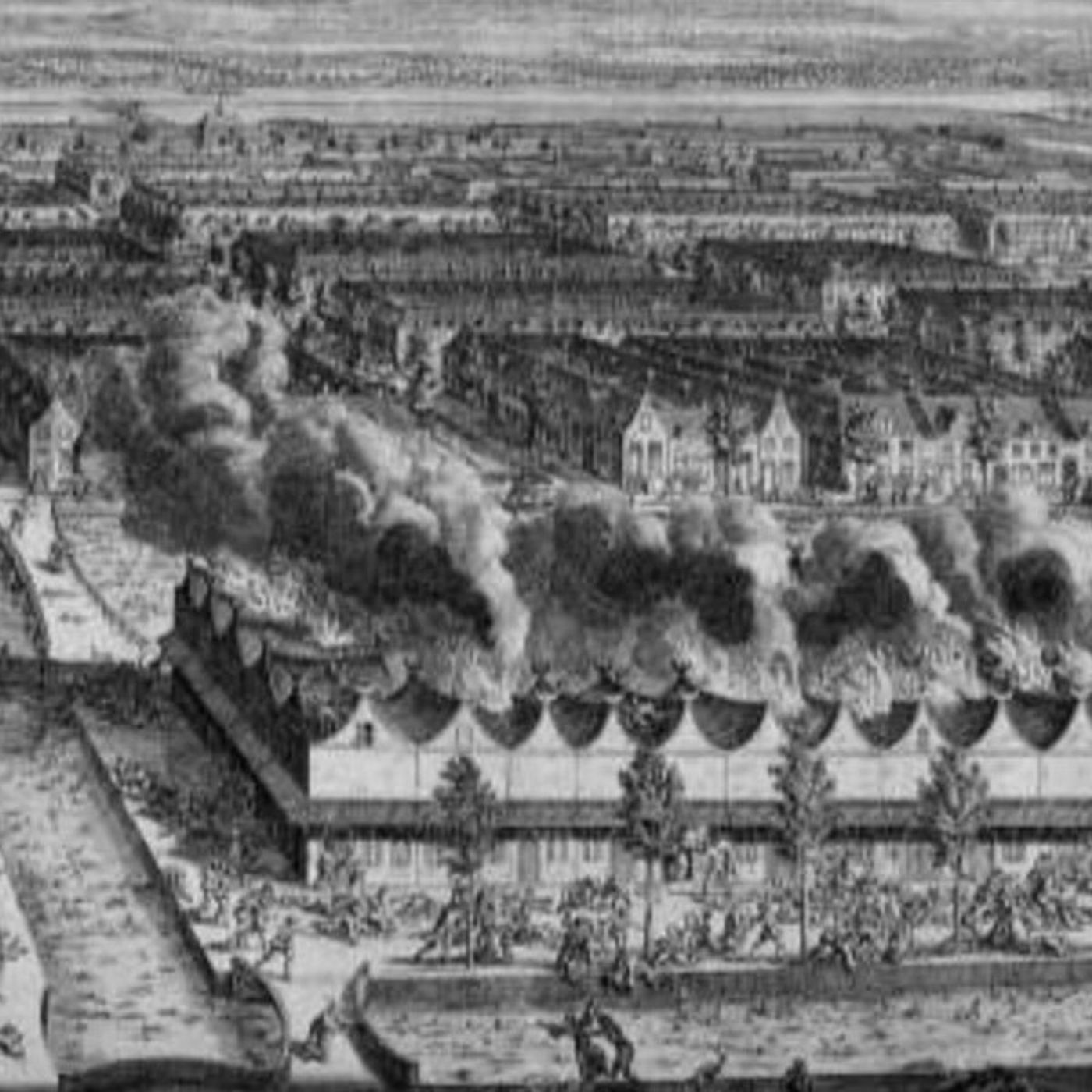
SCHEDULE FOR THE JOHN BATCHELOR SHOW, 7-22-2026. 1740 BATAVIA MASSACRE Gordon Chang and Rick Fisher examine Xi Jinping's introduction of the World Artificial Intelligence Cooperation Organization (WAICO), designed to establish Chinese dominance in setti
Description
SCHEDULE FOR THE JOHN BATCHELOR SHOW, 7-22-2026.
1740 BATAVIA MASSACRE
Gordon Chang and Rick Fisher examine Xi Jinping's introduction of the World Artificial Intelligence Cooperation Organization (WAICO), designed to establish Chinese dominance in setting global AI rules. Headquartered in Shanghai, the group aims to make international partners dependent on Chinese technology while promoting anti-democratic values. Meanwhile, China's economy is struggling, with real growth potentially near zero. Despite manufacturing strengths, China remains vulnerable due to a critical lack of high-end Nvidia chips required for advanced AI development. (1)
Gordon Chang and Peter Huessy discuss the Democratic Socialists of America (DSA) bill to drastically reduce the U.S. nuclear triad, including cutting ICBMs from 400 to 150. Supported by Senators Bernie Sanders and Elizabeth Warren, the plan effectively promotes unilateral disarmament. Critics argue this trashes the concept of nuclear deterrence just as China and Russia expand their arsenals. Furthermore, there is a widespread "miseducation" of Americans regarding the necessity of a modernized nuclear deterrent. (2)
Gordon Chang and Victoria Coates report that Iran has activated the Houthis to attack the Bab el-Mandeb strait, a critical choke point for Saudi Arabian oil exports. This escalation has pushed oil prices past $95 as the Houthis use Iranian-supplied missiles and drones to harass shipping. While the House of Saud is targeted, internal frictions between Saudi Arabia and the UAE complicate a unified regional response. The conflict represents a major humanitarian and economic disaster for global commerce. (3)
Gordon Chang and Victoria Coates continue: China benefits from discounted Iranian oil but views the regime's economic instability as a "bad debt." Simultaneously, Saudi Arabia is deepening its partnership with the U.S. through a landmark nuclear cooperation deal. Iraq has also signaled a shift toward Washington, signing $60 billion in energy deals with American companies like Chevron. While Russia seeks to sell extra capacity to Asia, Ukrainian strikes on refineries may hinder Putin's ability to remain a reliable energy supplier. (4)
Peter Earle traces how the word "trillion" entered the economic lexicon in 1981 when the U.S. passed $1 trillion in public debt. Today, the U.S. national debt approaches $40 trillion, with annual interest payments exceeding $1 trillion. Unlike 19th-century millionaires who faced high risks, modern trillion-dollar figures are often a product of government monetary expansion. We have entered "Trillionstan," where massive quantities of money are common, yet their long-term significance is often overlooked by the public. (5)
Peter Earle argues that not all trillions are equal; some represent genuine wealth creation, such as SpaceX's $2 trillion valuation based on future technological potential. However, inflation and government borrowing have also inflated nominal values, potentially leading to a fiscal reckoning. If creditors lose faith in U.S. debt, the government may be forced to print more money, further devaluing the currency. Maintaining prosperity requires ensuring
Listen Now
Love PodBriefly?
If you like Podbriefly.com, please consider donating to support the ongoing development.
Support Us