Episode Details
Back to Episodes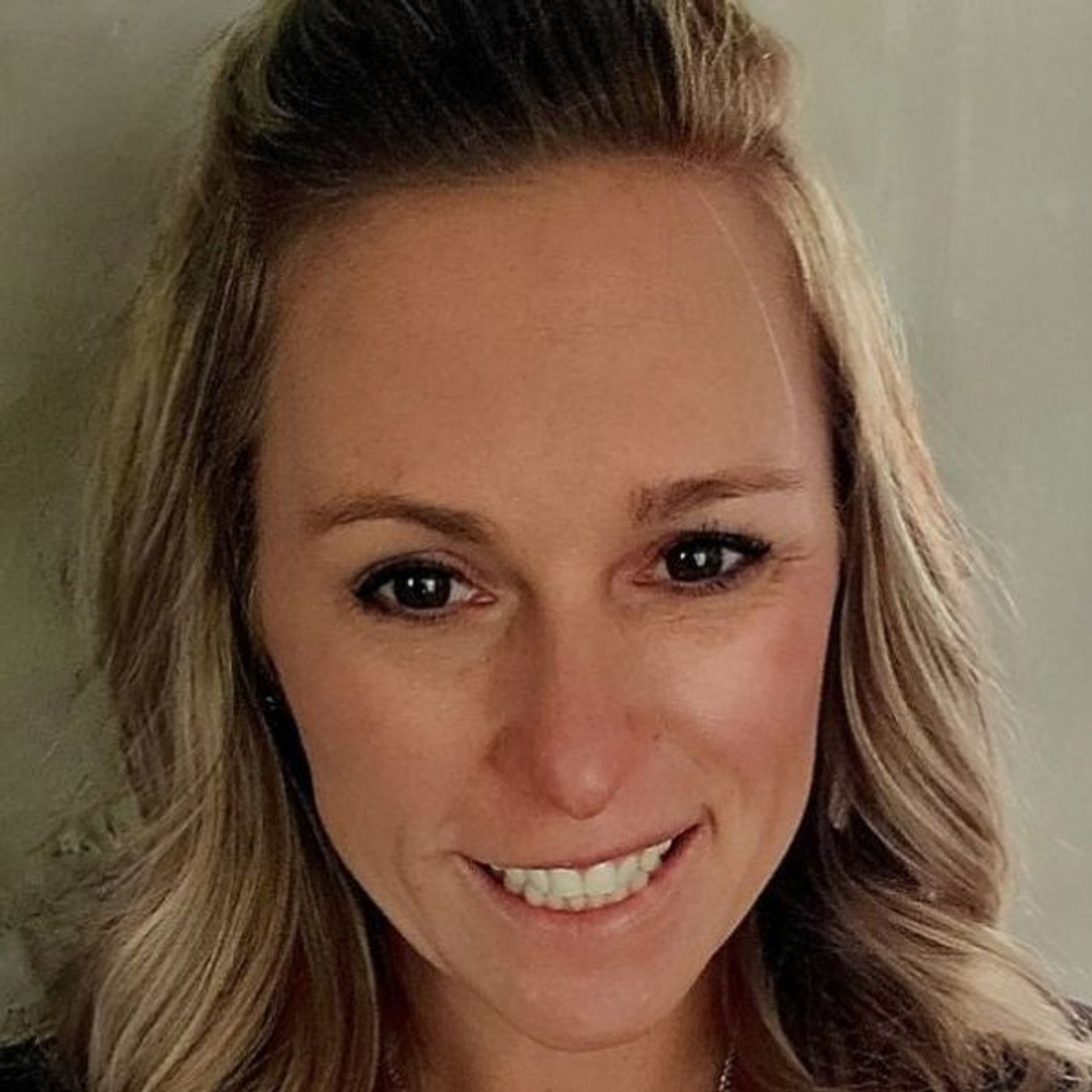
Alpha Queens Rising with Jennifer Jorgensen – Every System Failed Her Daughter — So She Built a New One
Published 1 month, 1 week ago
Description
Every System Failed Her Daughter — So She Built a New One
Jennifer Jorgensen never imagined she would become a mental health advocate.
She was simply a mother. Trying to protect her daughter. Doing what mothers do when they see their child hurting — asking for help, demanding intervention, refusing to accept dismissal as an answer.
Every system failed her.
And then came the call that no parent should ever receive.
What Jennifer did next — not in spite of her grief but because of it — is a story about what happens when a woman refuses to let tragedy be the final word.
She Saw It Before Anyone Else
Jennifer’s daughter was a sensitive, deeply feeling child whose emotional world was often overwhelming. She was also the girl who wholeheartedly embraced a community project her mother created called Cookies with Cops — a simple, intentional idea that children and police officers who decorated cookies together might see each other with more compassion. Her daughter wanted to build bridges in a world full of walls.
That was the essence of who she was.
When the brightness began to dim, Jennifer noticed immediately. She writes in her chapter of Alpha Queens Rising: Where Purpose Meets Power: “I always knew my daughter was special. Her heart was sensitive, deep, and intuitive. When something shifted — when her brightness dimmed — I noticed immediately.”
She asked for help from doctors, therapists, anyone who might intervene. The responses were dismissive. She is overreacting. Teenagers are emotional. She will grow out of it.
“But I knew the difference between dramatic and drowning.”
The Concussion That Changed Everything
Then came the concussion — a head injury that altered the entire landscape of her daughter’s health. Jennifer watched her struggle to think clearly, to regulate her emotions, to simply feel like herself again.
What many families don’t know — and what Jennifer now teaches others — is that head injuries alter brain chemistry in ways that even medical professionals routinely underestimate. When you add hormonal changes and a nervous system already running on overload, the result is a storm that looks invisible from the outside. Jennifer could see it clearly. She asked for help. She was told to wait.
Hormones, emotional sensitivity, and brain trauma created a crisis that no one in the medical system would acknowledge with the urgency it deserved.
Still no safety plan. No immediate intervention. No one who treated her mother’s instinct as data worth acting on.
The First Attempt
The day her daughter attempted suicide for the first time was the day Jennifer’s world permanently bent.
Emergency room. Minimal evaluation. A checklist. A discharge. The label attached to the chart: attention-seeking behavior.
Outpatient therapy was offered — weeks out. Not days. Weeks. In a crisis that required immediate care, the system handed them a waiting list.
“It felt like screaming into a void,” Jennifer writes.
She screamed anyway. She called. She followed up. She advocated louder and longer than any parent should have to. She documented everything. She did not accept the system’s pace when her daughter’s life was the stakes.
None of it was enough.
The Call
And then came the call that ended everything.
One sentence. Her daughter was gone.
All the warnings Jennifer had raised. All the doors she had knocked on. All the late nights monitoring her daughter’s breathing, sitting outside her room, checking and rechecking.
None of it mattered because the world did not listen.
Grief after losing a child is not a wound — it is a world. Everything inside it reorganizes. The air is different. Time moves differently. Jennifer questioned hersel
Jennifer Jorgensen never imagined she would become a mental health advocate.
She was simply a mother. Trying to protect her daughter. Doing what mothers do when they see their child hurting — asking for help, demanding intervention, refusing to accept dismissal as an answer.
Every system failed her.
And then came the call that no parent should ever receive.
What Jennifer did next — not in spite of her grief but because of it — is a story about what happens when a woman refuses to let tragedy be the final word.
She Saw It Before Anyone Else
Jennifer’s daughter was a sensitive, deeply feeling child whose emotional world was often overwhelming. She was also the girl who wholeheartedly embraced a community project her mother created called Cookies with Cops — a simple, intentional idea that children and police officers who decorated cookies together might see each other with more compassion. Her daughter wanted to build bridges in a world full of walls.
That was the essence of who she was.
When the brightness began to dim, Jennifer noticed immediately. She writes in her chapter of Alpha Queens Rising: Where Purpose Meets Power: “I always knew my daughter was special. Her heart was sensitive, deep, and intuitive. When something shifted — when her brightness dimmed — I noticed immediately.”
She asked for help from doctors, therapists, anyone who might intervene. The responses were dismissive. She is overreacting. Teenagers are emotional. She will grow out of it.
“But I knew the difference between dramatic and drowning.”
The Concussion That Changed Everything
Then came the concussion — a head injury that altered the entire landscape of her daughter’s health. Jennifer watched her struggle to think clearly, to regulate her emotions, to simply feel like herself again.
What many families don’t know — and what Jennifer now teaches others — is that head injuries alter brain chemistry in ways that even medical professionals routinely underestimate. When you add hormonal changes and a nervous system already running on overload, the result is a storm that looks invisible from the outside. Jennifer could see it clearly. She asked for help. She was told to wait.
Hormones, emotional sensitivity, and brain trauma created a crisis that no one in the medical system would acknowledge with the urgency it deserved.
Still no safety plan. No immediate intervention. No one who treated her mother’s instinct as data worth acting on.
The First Attempt
The day her daughter attempted suicide for the first time was the day Jennifer’s world permanently bent.
Emergency room. Minimal evaluation. A checklist. A discharge. The label attached to the chart: attention-seeking behavior.
Outpatient therapy was offered — weeks out. Not days. Weeks. In a crisis that required immediate care, the system handed them a waiting list.
“It felt like screaming into a void,” Jennifer writes.
She screamed anyway. She called. She followed up. She advocated louder and longer than any parent should have to. She documented everything. She did not accept the system’s pace when her daughter’s life was the stakes.
None of it was enough.
The Call
And then came the call that ended everything.
One sentence. Her daughter was gone.
All the warnings Jennifer had raised. All the doors she had knocked on. All the late nights monitoring her daughter’s breathing, sitting outside her room, checking and rechecking.
None of it mattered because the world did not listen.
Grief after losing a child is not a wound — it is a world. Everything inside it reorganizes. The air is different. Time moves differently. Jennifer questioned hersel