Episode Details
Back to Episodes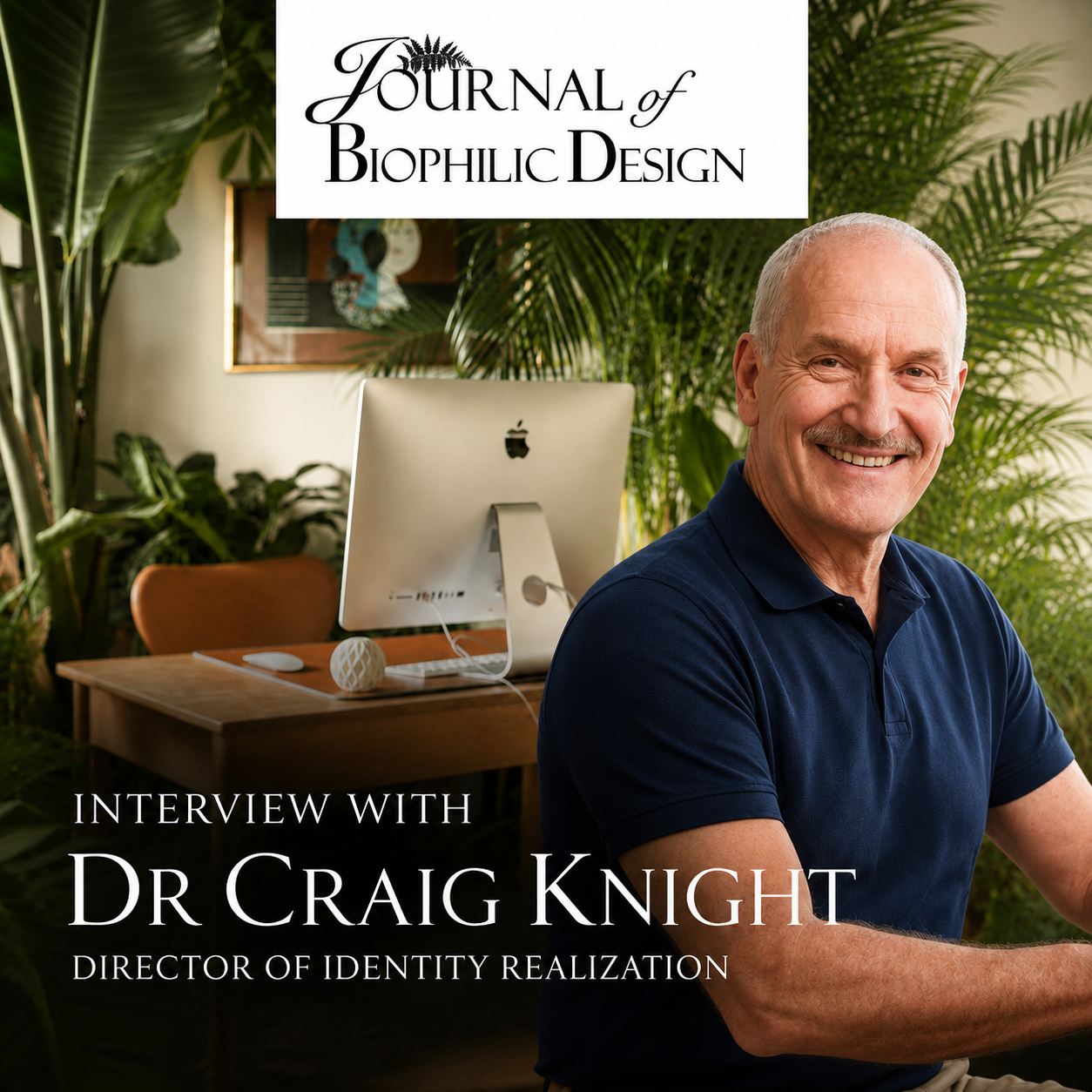
How many plants do we need for wellbeing
Description
Thankfully… walk into almost any contemporary office and you are likely to find a few strategically positioned plants, a moss wall in reception or perhaps another biophilic feature intended to soften an otherwise corporate environment. Over the past decade, introducing greenery into workplaces has become almost synonymous with employee wellbeing. Yet according to workplace and environmental psychologist Dr Craig Knight, if organisations believe that adding a few plants alone will transform productivity, they have misunderstood the research.
Craig's work at the University of Exeter, challenged one of the most enduring assumptions in workplace design, namely that the most productive offices are those that are minimalist and stripped back to their essentials. These highly controlled environments were long thought to minimise distraction and maximise concentration. His research demonstrated precisely the opposite.
Employees working in enriched environments containing plants, artwork and opportunities for personalisation consistently performed better than those working in lean, standardised offices.
“Wellbeing improved, stress reduced and productivity increased by as much as 15%.”
Although plants became the headline of many reports about the research, Craig is keen to put them into context. They are not magical objects capable of transforming a workplace by themselves. Rather, they are one of the simplest and most affordable ways of enriching an environment.
This is important for designers, facilities managers and employers to remember. Environmental enrichment can take many forms, including artwork, light, texture and even scent. Plants have proved particularly effective because they are relatively inexpensive, flexible and easy to introduce into existing buildings. Unlike a major refurbishment, they can transform a space almost immediately.
The psychology behind their success is equally compelling. Rather than distracting employees from their work, enriched environments provide opportunities for brief moments of cognitive recovery. Looking away from a screen towards a plant or another visually engaging feature gives the brain the chance to reset before returning to the task at hand. These small interruptions help sustain attention rather than diminish it. As Craig puts it, people are happier and more productive when their surroundings offer something meaningful to engage with.
Yet as our conversation developed, it became clear that the plants themselves were not the most significant finding from decades of workplace research.
Listen Now
Love PodBriefly?
If you like Podbriefly.com, please consider donating to support the ongoing development.
Support Us