Episode Details
Back to Episodes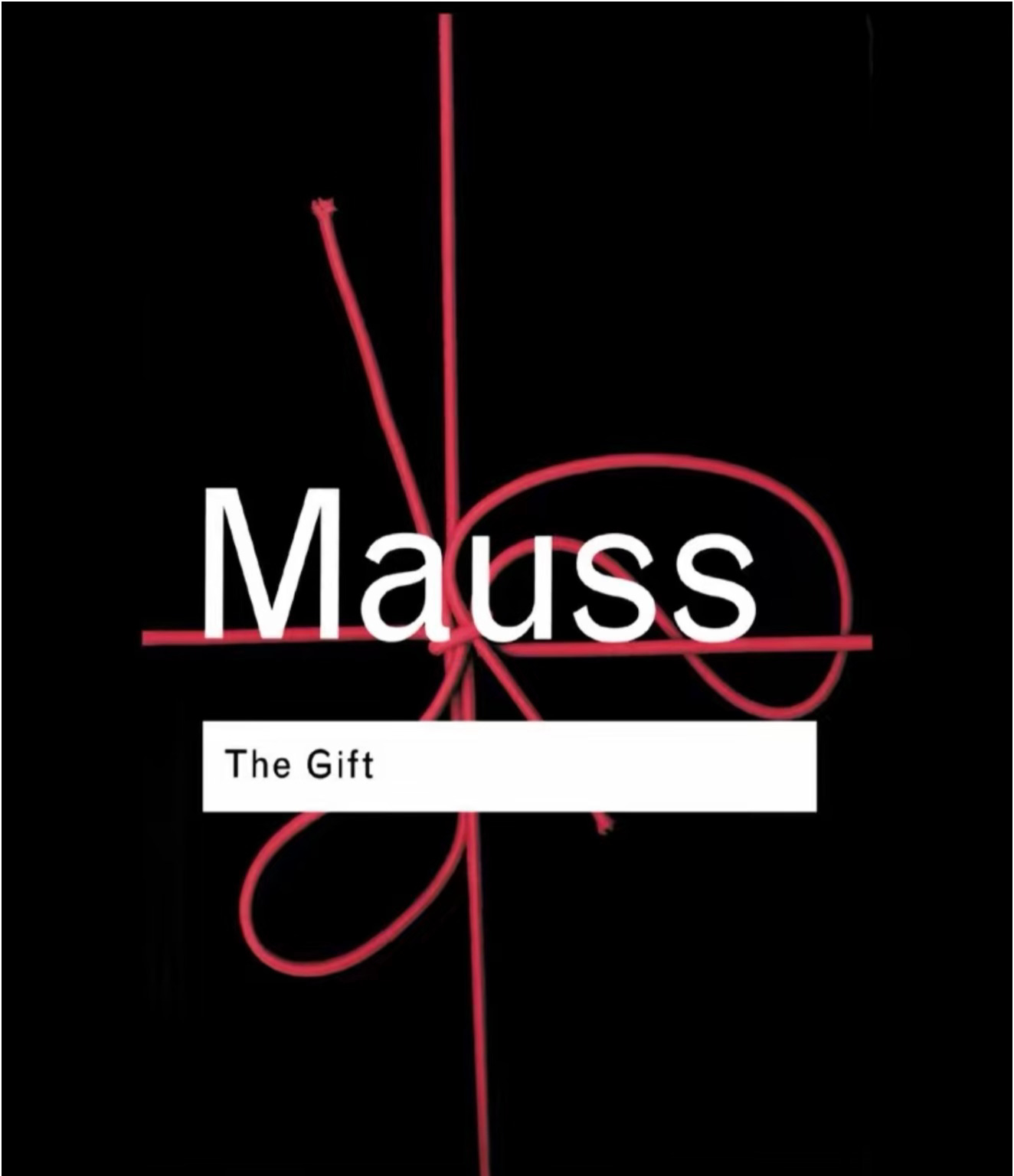
Podcast | Peppercorns, Mana, Early Roman Religion (Numenism), Communism and Seeing Life in Memes
Description
How the law of sympathetic magic applies. I’ll go back into why I ended up getting interested in this. As some of you might remember, I studied law and worked as a property lawyer in London for a little while. One of the features in English law is this idea that sometimes, for whatever reason, commercial property is let at a peppercorn rent. Generally speaking, in this day and age, no peppercorn passes between the landlord and the person leasing the property. But it’s in all the leases. That was always a little curiosity to me.
As was the fact in contract law — in English and in American contract law — for a contract to be valid, there needs to be an agreement, but there also needs to be what they call consideration. If I contract with you, James, to buy 12 widgets, you have to, for the contract to be valid, in some way pay me a deposit. This is the importance of the deposit. There’s this reciprocity.
I was very interested in this book which I read a couple of years ago by Marcel Mauss, who is one of those founders — in every academic discipline there are always a few founders who appear in the first paragraph of every book. When you look at the laws of sympathetic magic, Marcel Mauss is right there. That’s how I knew this was an interesting area to be in.
I noted when reading this seminal text — which some of you might have read as well — called The Gift, by Marcel Mauss: he talked about early Germanic law and early Germanic contract law, which probably then becomes part of English law, even though English law says it comes from Roman law, which is a distinct Indo-European tradition from the Italic as distinct from the Germanic.
In Germanic law, each contract, sale or purchase, loan or deposit, entails a pledge. One partner is given an object, generally something of little value — like a glove or a piece of money, a knife, or perhaps, as with the French, a pin or two. And this pledge is, in fact, imbued — this is Mauss writing — “this pledge is imbued with the personality of the partner who gave it. And the fact that it’s in the hands of the recipient moves its donor to fulfil his part of the contract,” or her part, “and buy themselves back by buying the thing.”
When I saw this, I thought: that’s interesting. What’s going on is, if James is letting me rent his property, his skyscraper in Manhattan, at a peppercorn rent, I give him this peppercorn. But actually in that peppercorn is my energy, my mana, my personality. And I’ve obviously got his, because I’m in the building itself.
What The Gift and Mauss’s book is about is he’s looking at various cultures and the exchange that in many different cultures — especially in Amerindian cultures — where early examples come from: the potlatch, which is this institution of a communal meal where you’re being hosted, or you’re hosting because your child is getting married and you have to host the whole village and give them food and drink.
That interested me because a lot of Irish mythological texts are about these big feasts. I always wondered what’s going on here. It appears as if there is this idea that when you partake of the feast, you’re taking something into you. Your energy, your mana, is being affected by what is coming into your body — just as it is by what’s coming into your mind from memes and from disinformation. And equally, of course, by what you’re giving into other people’s minds.
This is why in my profile I say: “Mana is permanent. Communicate positive mana.” Because what the Russians are doing is communicating such negative mana and driving us all nuts with it.
I discovered — which I’ve written about in my other project, not so directly relevant here — that there are heaps of different names for what I call mana, this phenomenon which many people have written about from the beginning. I’m just applying it to disinformation studies: why particular memes take hold, become contagious, and how to detect in particular