Episode Details
Back to Episodes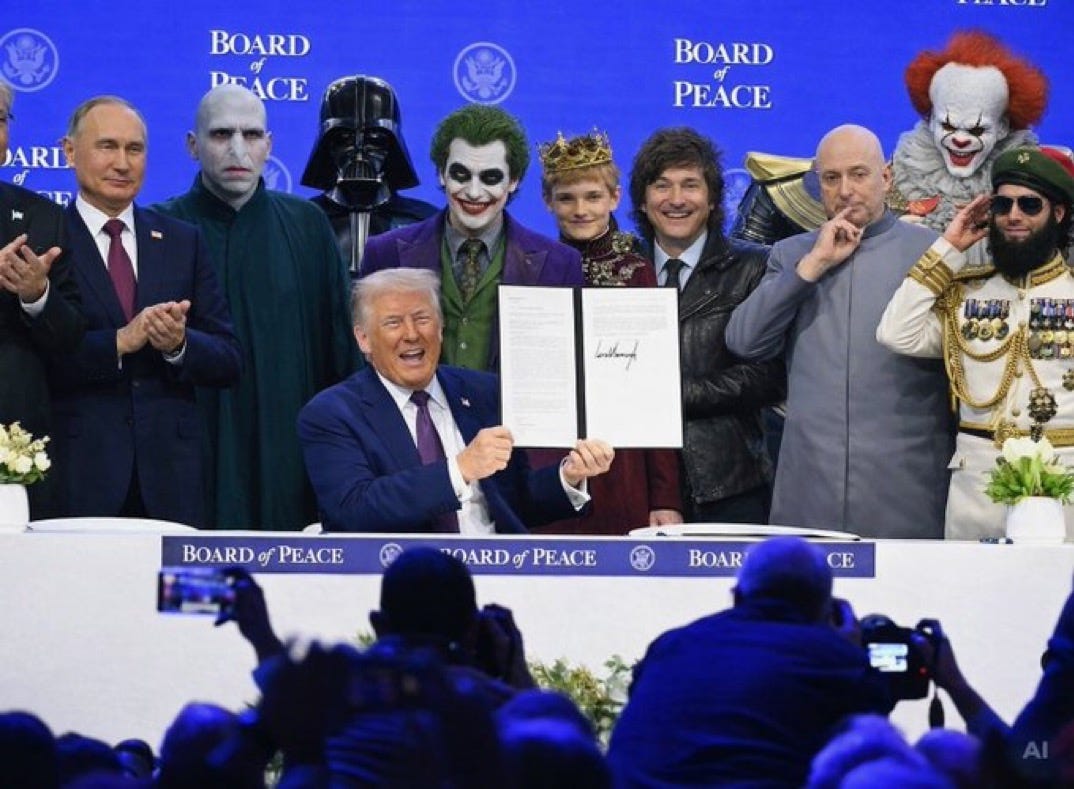
Podcast | Don’s Archetyping as Mad
Description
The Soviet Union was so mysterious for many of us, as was eastern and central Europe. I was 17 when the Berlin Wall fell. Many people I’ve met since — I went as soon as I could. I spent time hitchhiking to Czechoslovakia and Poland and Hungary, went around those places several times, because I was fascinated by what it was like, how they lived.
I always imagined it would be really interesting working in the former Soviet Union, because it was such an interesting and alien place. In Ireland at the time, we did learn a lot about Russian politics. I think we learned more truth about Russia and the five-year plans and Stalin than they learned about us when it comes down to it. So it was planted as a seed of interest. But I never thought I’d end up going around villages and being able to just talk to people. The joy in that never left me, no matter how hard some experiences were — when it was minus 20 and having to be out on the bridge for seven hours, or fiddling around with camera systems and thermal-shutdown computers.
Having said that, Wendy, it was one of many ambitions I had, many of which I’ve achieved. It wasn’t like I was obsessed by it because I’d never looked for it. It just landed on my lap through accident — like a Grail tale or Don Quixote. My life in that sense has been more picaresque than a tightly planned novel. I didn’t decide when I was eight that I was going to work in Ukraine and get there in the end. That isn’t what happened. But when it did happen, I was aware that this was one of the many things I really wanted to do.
This is episode five of going over the basics of battling archetypes and the Disinfolklore analytical method. We were on the bridge and went through the luxury sausage troll saga. Last week we went through some of the folkloric resonances of my experience as a diplomat on that bridge in Stanytsia Luhanska — the passage to the other world.
I wanted to move onwards with archetyping. I had an interesting discussion with someone today about whether or not Donald is compos mentis. Some of us may be aware there’s been a bit of a divorce between Michael Cohen and the liberal media this week. I don’t quite fully understand it, but I think it’s something to do with one of the documents released in the 1% of documents released in the Epstein files. That document attests, apparently, to Michael Cohen’s lawyers offering the New York DA and/or AG during his case — I think this was during the case in 2018 when he ended up in Otisville, in prison for campaign finance violations. Unindicted co-conspirator number one is Donald.
Michael Cohen has been, in his podcast for the last couple of years, promoting the troll that he knows for certain that Donald — first, that he knew nothing about Epstein, because as is true, Epstein and Donald had divorced before Michael Cohen came on the scene — but also Michael Cohen was very strongly attesting to his very strong belief, as the person he believes knows Donald best of practically anyone in the world, that Donald was not involved in really bad stuff in the Epstein files.
There’s been this divorce. I’ve had to reassess almost everything I learned about Donald from Michael Cohen and try to think about whether he was lying about that or not, whether he was trolling us. There were a few things I was pretty clear he was just banging on about. But it doesn’t mean everything he ever said about Donald is incorrect.
One of the things he’s been very clear about is that Donald is acting. He does not have dementia — he is acting this role of someone who’s completely nuts. In the background of my mind, I’m recomputing all the data I collected over listening to Michael Cohen’s podcast every now and again over the past couple of years. There’s this data point as well.
I had this discussion earlier today. Certainly what Donald is doing — he is archetyping as the archetypal madman. Anyone who studied, or had the misfortune even