Episode Details
Back to Episodes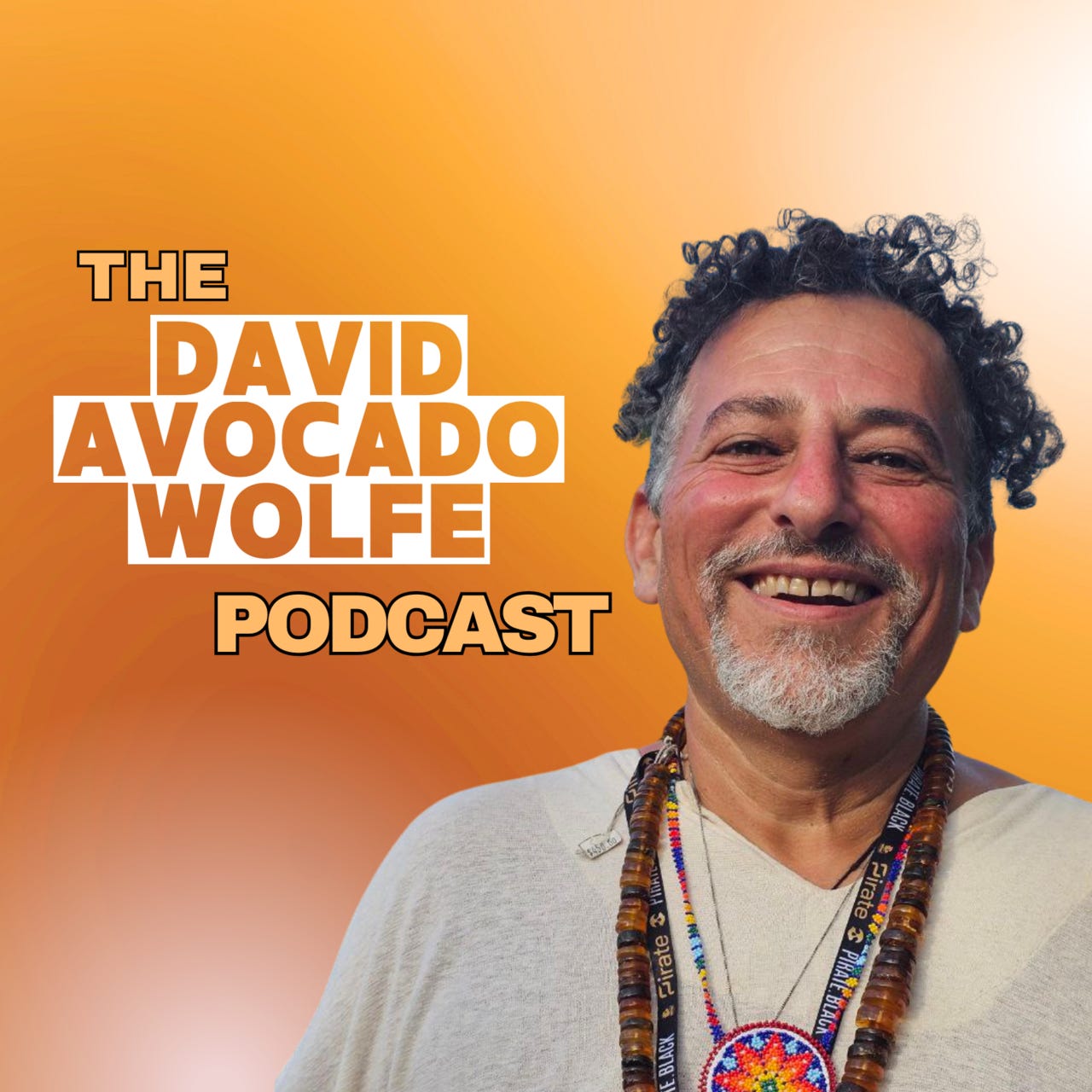
Episode 43: David Avocado Wolfe & The Lost Science of Sacred Temples
Description
What makes a place feel truly alive? In this fascinating conversation, David Avocado Wolfe welcomes architectural researchers Arturo Ponce de León and Dr. Lydia Gian de León to explore the forgotten science behind ancient temples, sacred geometry, and the energetic relationship between people and place. Together, they examine why civilizations around the world built extraordinary structures that continue to inspire awe thousands of years later—and what modern architecture has lost in the process.
Drawing from years of research, travel, and hands-on measurements at sacred sites, the trio discusses how temple design may have supported healing, higher states of consciousness, and harmony with nature. The conversation concludes with practical ways anyone can create a healthier, more vibrant living environment using natural materials, sacred geometry, and simple lifestyle changes.
Episode Highlights
* David welcomes architectural researchers Arturo Ponce de León and Dr. Lydia Gian de León, longtime friends and travel companions who specialize in sacred architecture, sacred geometry, and ancient temple design.
* The conversation explores why nearly every ancient civilization built monumental temples with extraordinary precision, suggesting these structures served practical energetic and spiritual functions beyond religion or ceremony.
* Arturo explains how modern life has become increasingly disconnected from nature through “box architecture,” synthetic materials, and environments that lack the fractal patterns found throughout the natural world.
* Lydia introduces the idea of temples as “spiritual technology,” describing research suggesting ancient builders intentionally selected locations with unique geological characteristics, underground water, and electromagnetic properties.
* The guests compare sacred sites from Egypt, Greece, Mexico, India, Cambodia, Peru, and Europe, highlighting common architectural principles despite vast cultural differences.
* Sacred geometry takes center stage as the trio discusses how proportions, repeating patterns, and harmonic design may influence electromagnetic fields and create environments that support wellbeing.
* David reflects on his own travels to sacred sites around the world, sharing how those experiences have influenced the design of his own home and strengthened his appreciation for natural materials, beauty, and intentional living.
* The discussion explores Gothic cathedrals, the work of Antoni Gaudí, and Damanhur in Italy as examples of more recent attempts to preserve elements of ancient temple wisdom.
* Arturo and Lydia outline four proposed functions of ancient temples: facilitating altered states of consciousness, supporting healing, encouraging seed vitality, and generating or concentrating energy.
* The conversation concludes with practical advice for improving everyday living spaces, including reducing electromagnetic exposure, using full-spectrum lighting, incorporating plants, embracing natural building materials, introducing sacred geometry into the home, and creating a dedicated meditation space.
Final Thoughts / Key Takeaways
Our ancestors may have understood something about the relationship between people and place that modern society has largely forgotten. Throughout this conversation, David, Arturo, and Lydia invite listeners to look beyond architecture as mere construction and consider the possibility that buildings can either support or diminish human vitality. Whether discussing pyramids, Gothic cathedrals, or modern living spaces, the recurring message is that beauty, natural materials, harmony, and intentional design matter—not only aesthetically, but biologically and spiritually.
While few people will ever build a sacred temple, everyone can begin transforming the spaces they inhabit. By reconnecting with Nature, reducing unnecessary techno