Episode Details
Back to Episodes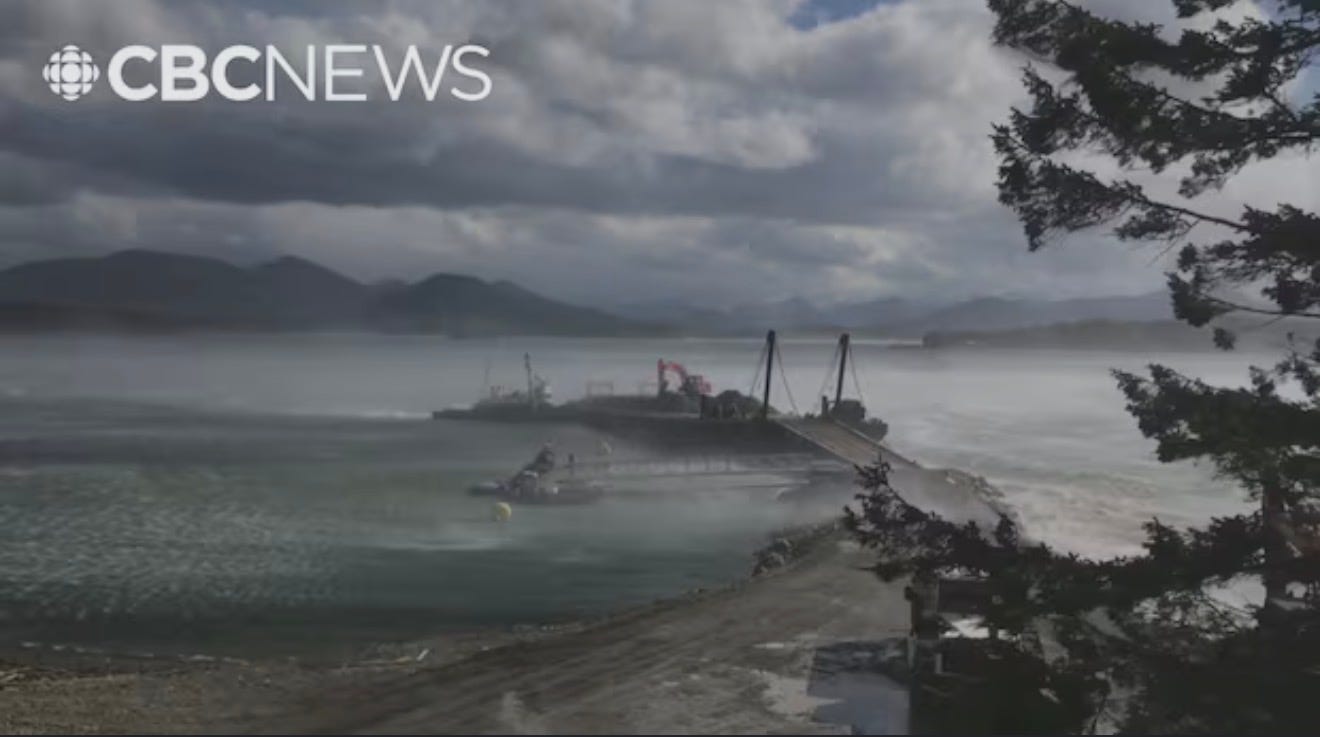
Countering the Spin Doctor
Description
The Coast Is The Argument
The tanker ban is a law built from 50 years of coastal protection, First Nations leadership, local opposition, federal policy and environmental risk. It protects Dixon Entrance, Hecate Strait, Queen Charlotte Sound and Haida Gwaii from large crude oil tankers. That coast carries salmon, whales, seabirds, fisheries, tourism, Indigenous law and local economies that depend on clean water. A major spill in those waters would threaten food systems, marine life, cultural practice, coastal jobs and the public trust that governments owe to people who live beside the risk.
Poilievre says there is no environmental argument against lifting the tanker ban. The coast is the environmental argument. The law exists because those waters are remote, rough, productive and hard to protect after a spill. It blocks tankers carrying more than 12,500 metric tonnes of crude oil or persistent oil from stopping, loading or unloading at ports along the north coast, and it allows smaller shipments so northern communities can receive fuel.
The Strait And The Standoff
Hecate Strait separates Haida Gwaii from mainland B.C. and is famous for treacherous water. Fishing vessels, ferries and container ships have all run into trouble in this stretch. Mariah McCooey, director of hydrography for the Pacific region of the Canadian Hydrographic Service, describes a cocktail of risks in any area of open water. Hecate Strait adds a danger of its own. The strait is shallow, and that shallow bottom stacks big Pacific waves even higher.
Alberta’s oil sector, Premier Danielle Smith and federal Conservative leader Pierre Poilievre want the ban lifted or changed. They argue it hinders Alberta’s ability to export oil to key markets in Asia. First Nations and environmental groups want the moratorium kept. They say the ban protects sensitive coastal areas and marine ecosystems that anchor the provincial economy and Indigenous ways of life.
The People He Erases
Poilievre called the opposition a radical group of fake environmentalists. That phrase erases First Nations, coastal communities, fishers, local governments and families who have opposed crude tankers for decades. Coastal First Nations describe the ban as the product of generations of advocacy by the people whose territories, fisheries, beaches and economies would face the damage first. The insult asks Canadians to ignore the people who would live with the spill so the pipeline can be discussed as a national project instead of a local risk. A serious leader asks who carries the danger, who gets the profit and who pays when the promise fails.
Whales Share These Waters
The tanker debate is also a whale debate. B.C. waters are used by killer whales and other marine mammals that depend on sound, salmon and clean habitat. Southern Resident killer whales are endangered, and federal measures in 2026 include distance rules and management zones because vessel disturbance, prey loss and contaminants threaten their survival. More tanker traffic would add pressure in waters already governed by rules protecting whales.
Poilievre says pipelines are safer than rail, but that comparison narrows the issue to one part of the chain. A pipeline to the southern coast also carries whale risk because more tanker traffic affects waters used by Southern Residents. Oil must be produced, moved, stored, loaded and shipped, and each stage creates risk. A project can reduce some danger on land while increasing danger at sea.
Read The Polls Closely
Poilievre says British Columbians overwhelmingly support pipelines from Alberta to the Pacific. Some polls show majority support for pipeline access in broad terms, and those polls measure a general idea. This project asks for specific things: lifting the north coast tanker ban, crude tankers in Hecate Strait, consent from Fi