Episode Details
Back to Episodes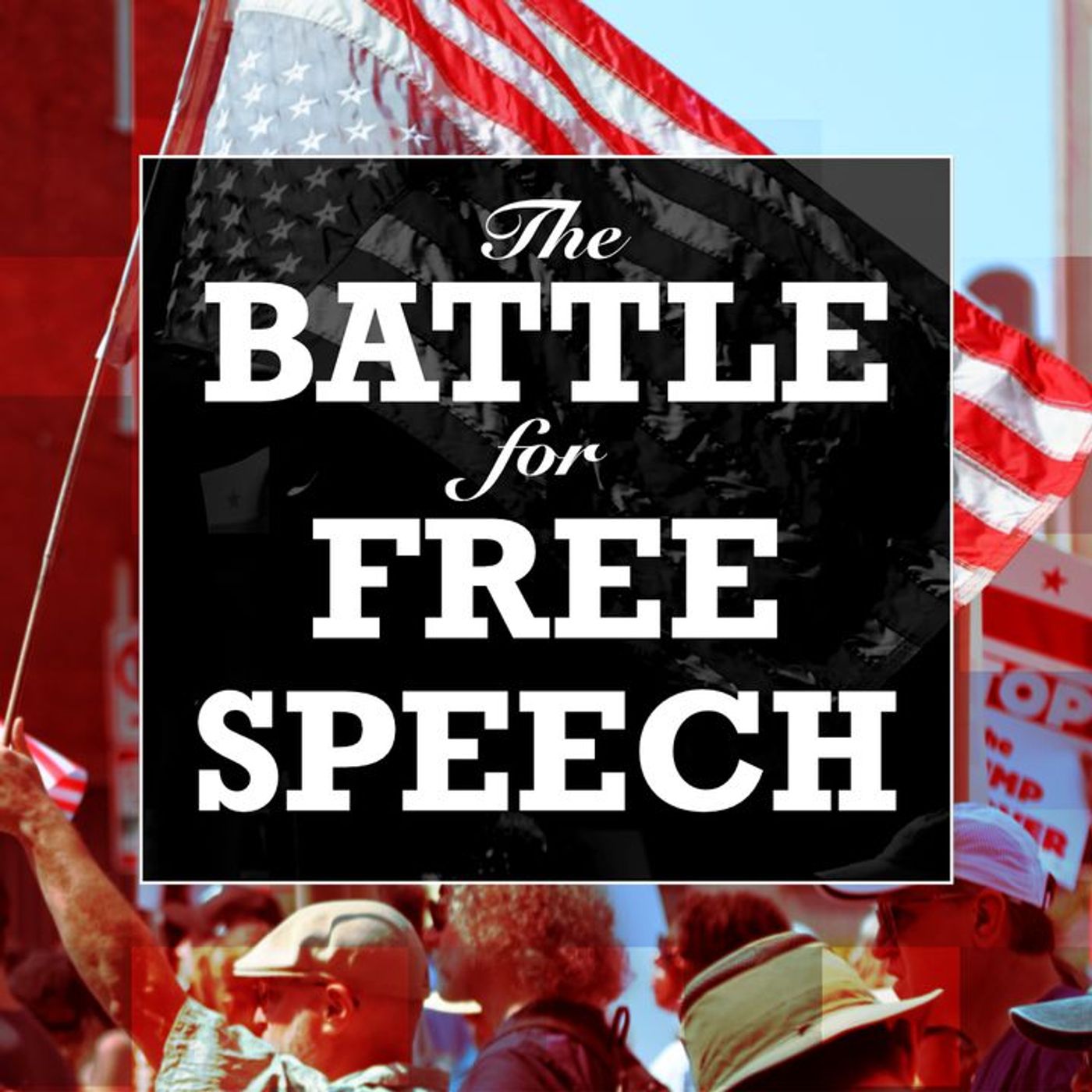
What Is Free Speech? America at 250
Published 2 months, 4 weeks ago
Description
On the eve of the United States' 250th birthday, Michael Fox sits down with Mansa Musa — longtime activist, former Black Panther, host of TRNN’s Rattling the Bars, and a man who spent nearly 49 years in prison — to ask a deceptively simple question: what does free speech actually mean?
From the steps of the Lincoln Memorial to Quito, Ecuador, to Frederick Douglass's 1852 address "What to the Slave is the Fourth of July," this episode unravels the gap between the promise of the First Amendment and the reality of who gets to speak in America — and who pays a price for it.
"There's a kind of narcotic effect of those words — free speech," says legal scholar Mary Anne Franks (Fearless Speech). "It's because we think we know it so well that we don't know anything about it."
Historian Fara Dabhoiwala traces how the US broke from the rest of the world's balanced approach to free expression during the Cold War, and a forgotten 1986 Ursula K. Le Guin speech offers a radically different vision: speech as dialogue, not domination.
Follow The Battle For Free Speech on Spotify or Apple Podcasts
Support Michael Fox's reporting at patreon.com/mfox. Never miss an episode — sign up for The Real News newsletter at therealnews.com.
The Battle for Free Speech is a production of The Real News Network.
Hosted by Michael Fox and Marc Steiner.
Theme music by Michael Fox, Jordan Klein, and Daniel Nuñez. Additional music from Blue Dot Sessions and Epidemic Sound.
Production and sound design: Michael Fox and Stephen Frank.
Editorial support: Kayla Rivara. Research: Ben Schweiger.
Many thanks to Sylvia Gross for providing her incredible voice acting skills in this episode.
Guests
Become a supporter of this podcast:
From the steps of the Lincoln Memorial to Quito, Ecuador, to Frederick Douglass's 1852 address "What to the Slave is the Fourth of July," this episode unravels the gap between the promise of the First Amendment and the reality of who gets to speak in America — and who pays a price for it.
"There's a kind of narcotic effect of those words — free speech," says legal scholar Mary Anne Franks (Fearless Speech). "It's because we think we know it so well that we don't know anything about it."
Historian Fara Dabhoiwala traces how the US broke from the rest of the world's balanced approach to free expression during the Cold War, and a forgotten 1986 Ursula K. Le Guin speech offers a radically different vision: speech as dialogue, not domination.
Follow The Battle For Free Speech on Spotify or Apple Podcasts
Support Michael Fox's reporting at patreon.com/mfox. Never miss an episode — sign up for The Real News newsletter at therealnews.com.
The Battle for Free Speech is a production of The Real News Network.
Hosted by Michael Fox and Marc Steiner.
Theme music by Michael Fox, Jordan Klein, and Daniel Nuñez. Additional music from Blue Dot Sessions and Epidemic Sound.
Production and sound design: Michael Fox and Stephen Frank.
Editorial support: Kayla Rivara. Research: Ben Schweiger.
Many thanks to Sylvia Gross for providing her incredible voice acting skills in this episode.
Guests
- Mary Anne Franks, author of Fearless Speech: Breaking Free from the First Amendment
- Katherine Jacobsen, Committee to Protect Journalists
- Fara Dabhoiwala, author of What Is Free Speech? The History of a Dangerous Idea
- Ursula K. Le Guin, "We Are Volcanoes" — Bryn Mawr commencement, 1986
- Danny Glover reads Frederick Douglass — Voices of a People's History
Become a supporter of this podcast:
Listen Now
Love PodBriefly?
If you like Podbriefly.com, please consider donating to support the ongoing development.
Support Us