Episode Details
Back to Episodes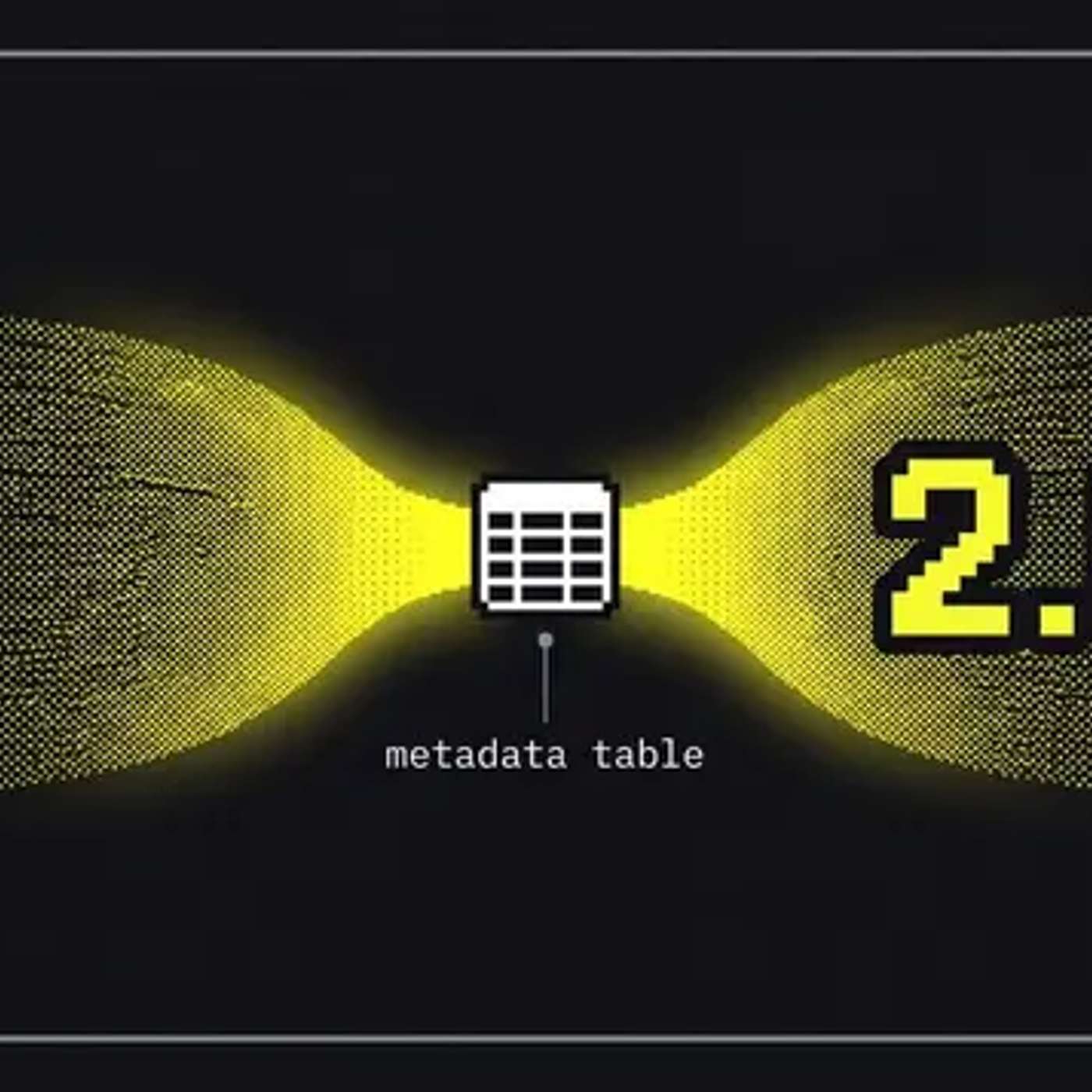
How Small Postgres Metadata Tables Quietly Throttle Your Largest Queries
Description
This story was originally published on HackerNoon at: https://hackernoon.com/how-small-postgres-metadata-tables-quietly-throttle-your-largest-queries.
Slow Postgres dashboards may not be caused by your fact table. Learn how stale metadata statistics break joins and fix it in minutes.
Check more stories related to undefined at: https://hackernoon.com/c/undefined.
You can also check exclusive content about #postgres-stale-statistics, #postgres-join-performance, #time-series-database, #postgres-metadata-table, #postgresql-shared_buffers, #postgres-hash-join, #pg_stat_user_tables-audit, #good-company, and more.
This story was written by: @tigerdata. Learn more about this writer by checking @tigerdata's about page,
and for more stories, please visit hackernoon.com.
Most engineers blame slow time-series queries on massive fact tables, but a small metadata table with stale Postgres statistics can silently become the real bottleneck. This guide shows how outdated ANALYZE data misleads the planner into choosing inefficient joins, how to detect row-estimate mismatches with EXPLAIN, and how to fix them using autovacuum tuning, targeted audits, or selective denormalization.