Episode Details
Back to EpisodesSt. Cyril of Alexandria – The Doctors of the Church: The Charism of Wisdom with Dr. Matthew Bunson – Discerning Hearts Podcast
Description
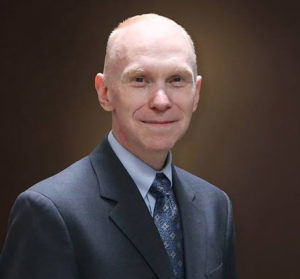 St. Cyril of Alexandria – The Doctors of the Church: The Charism of Wisdom with Dr. Matthew Bunson
- Born: 378 AD, Alexandria, Egypt
- Died: June 27, 444 AD, Alexandria, Egypt
Dr. Matthew Bunson and Kris McGregor discuss St. Cyril of Alexandria, also known as the Doctor of the Incarnation. Cyril’s significant role in combating Christological heresies, particularly Nestorianism, which denied the unity of Christ’s divine and human natures. Cyril was named a Doctor of the Church by Pope Leo XIII in 1883, reflecting the church’s recognition of his importance in theological clarity, especially regarding the role of Mary as Theotokos, or God-bearer. St. Cyril’s life and work are explored in detail, highlighting his early education, the influence of his uncle Theophilus, and his fiery personality, which led to various controversies in Alexandria. The city itself was a cosmopolitan hub, rich in culture and conflict, where he had to navigate political and religious tensions.
A significant milestone in his life was the Council of Ephesus in 431, where he defended the title of Theotokos for Mary, countering Nestorianism. This council affirmed that Mary was indeed the mother of God, and also the unity of Christ’s divinity and humanity.
St. Cyril’s efforts to restore unity within the church and his contributions to theological writings, include commentaries on the Bible and defenses of the Trinity. The late Pope Emeritus Benedict XVI praised him as a staunch witness of Jesus Christ and highlighted his role in establishing Christ’s unity as both divine and human.
Discerning Hearts Reflection Questions
- How did St. Cyril of Alexandria’s defense against Nestorianism shape the Church’s understanding of Christ’s divine and human natures?
- Why is the title “Theotokos” (God-bearer) for Mary so crucial to the Church’s Christological teachings?
- What were the key outcomes of the Council of Ephesus in 431, and how did they strengthen the Church’s doctrine on the Incarnation?
- How did St. Cyril’s leadership and actions in the cosmopolitan city of Alexandria demonstrate the challenges and responsibilities of a Church leader?
- What can we learn from St. Cyril’s fiery personality and his eventual softening about the path to sainthood and effective leadership?
- In what ways did St. Cyril work towards restoring unity within the Church, and why is this an essential aspect of his legacy?
- How did St. Cyril’s early education and the influence of his uncle Theophilus prepare him for his role as a defender of the faith?
- How does St. Cyril’s unwavering commitment to defending the truth serve as a model for contemporary Christians facing challenges to their faith?
- Which of St. Cyr