Episode Details
Back to Episodes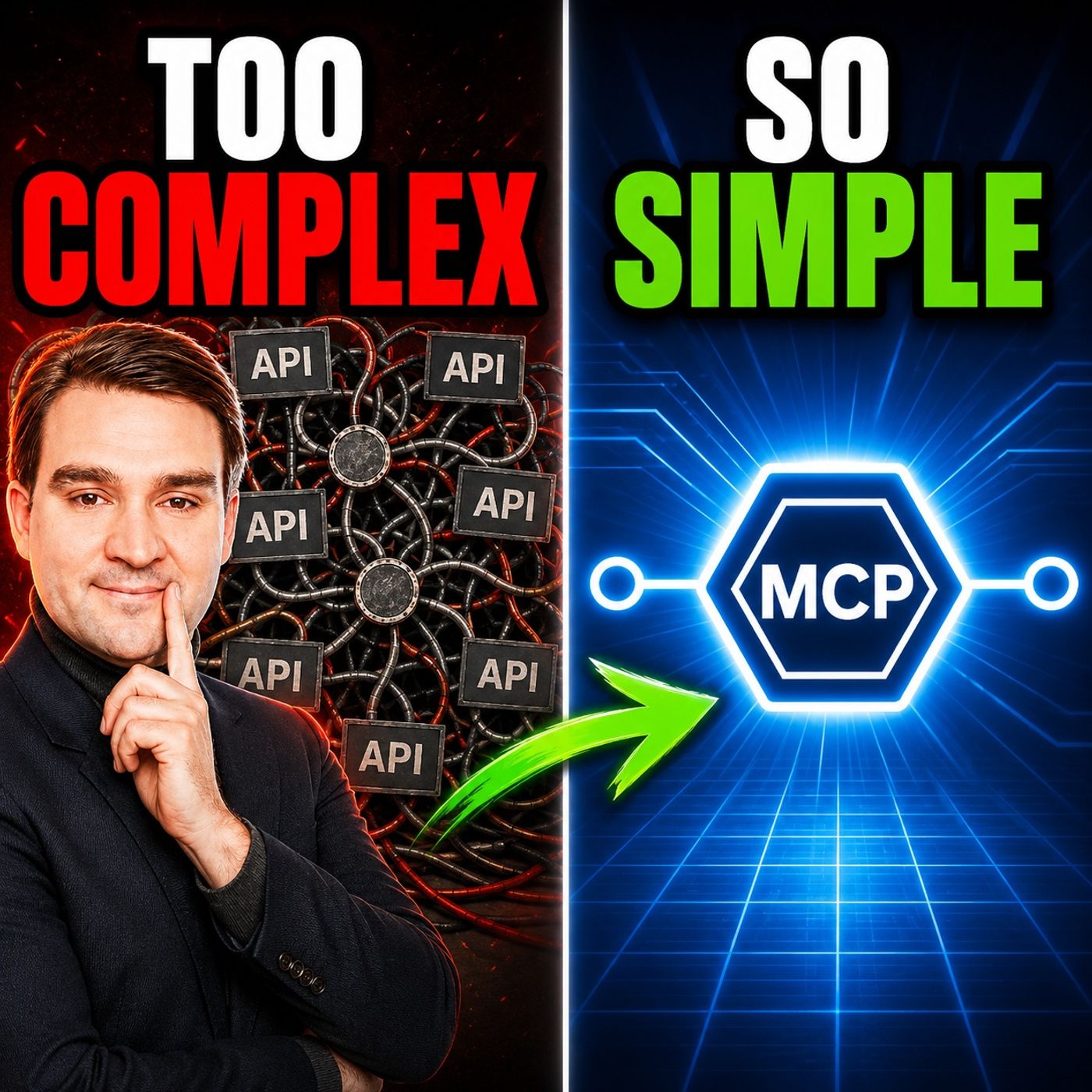
Dataverse MCP: The End of Custom Integration
Season 2
Published 1 month, 2 weeks ago
Description
For years, enterprise integration followed a familiar pattern. A new business requirement appeared, a developer built a custom connector, and another bridge was added to an already growing collection of APIs, middleware, and integration services. The model worked. Until AI arrived. In this episode, we explore why the traditional approach to integration is rapidly becoming one of the largest sources of technical debt in modern organizations and how the Model Context Protocol (MCP) is reshaping the relationship between AI systems and enterprise data. The discussion focuses on Microsoft Dataverse, governance, AI agents, security, architecture, and the emerging future of AI-native integration.
THE HIDDEN COST OF CUSTOM CONNECTORS
Most organizations never intended to create integration sprawl. It happened gradually. One connector became ten. Ten became fifty. Fifty became hundreds. The episode examines how custom integrations create long-term maintenance challenges through:
WHY AI BREAKS THE OLD INTEGRATION MODEL
Traditional APIs were designed for applications. Not autonomous agents. As organizations deploy AI systems across multiple business functions, integration requirements increase dramatically. Topics explored include:
UNDERSTANDING MODEL CONTEXT PROTOCOL (MCP)
At the center of the discussion is MCP, the Model Context Protocol. Rather than creating separate integrations for every AI platform, MCP provides a standardized way for AI systems to discover and interact with tools. Key concepts include:
DATAVERSE AS AN AI PLATFORM
One of the biggest insights from the episode is that Dataverse is evolving beyond its traditional role as a business database. Instead, it is becoming:
THE DATAVERSE MCP CONNECTOR
Microsoft's Dataverse MCP connector introduces a new way for AI systems to interact with business data. Rather than creating custom APIs and wrappers, organizations can expose governed business capabilities directly through MCP. The episode explores:
PERFORMANCE VS CAPABILITY
MCP introduces additional abstraction compared to direct REST APIs. While this creates some latency overhead, the discussion highlights why raw speed is often the wrong metric. Topics include:
THE HIDDEN COST OF CUSTOM CONNECTORS
Most organizations never intended to create integration sprawl. It happened gradually. One connector became ten. Ten became fifty. Fifty became hundreds. The episode examines how custom integrations create long-term maintenance challenges through:
- Duplicate integration logic
- Security inconsistencies
- Documentation gaps
- Dependency management
- Growing technical debt
WHY AI BREAKS THE OLD INTEGRATION MODEL
Traditional APIs were designed for applications. Not autonomous agents. As organizations deploy AI systems across multiple business functions, integration requirements increase dramatically. Topics explored include:
- Agent-driven workflows
- Dynamic tool discovery
- Autonomous decision making
- Multi-model architectures
- Cross-platform orchestration
UNDERSTANDING MODEL CONTEXT PROTOCOL (MCP)
At the center of the discussion is MCP, the Model Context Protocol. Rather than creating separate integrations for every AI platform, MCP provides a standardized way for AI systems to discover and interact with tools. Key concepts include:
- Tool discovery
- Standardized interfaces
- AI-native integration
- Dynamic schemas
- Permission-aware access
DATAVERSE AS AN AI PLATFORM
One of the biggest insights from the episode is that Dataverse is evolving beyond its traditional role as a business database. Instead, it is becoming:
- A context engine
- An orchestration layer
- A semantic business model
- A governance platform
- An AI-ready control plane
THE DATAVERSE MCP CONNECTOR
Microsoft's Dataverse MCP connector introduces a new way for AI systems to interact with business data. Rather than creating custom APIs and wrappers, organizations can expose governed business capabilities directly through MCP. The episode explores:
- Dataverse MCP architecture
- AI client integration
- Security inheritance
- Tool exposure models
- Governance benefits
PERFORMANCE VS CAPABILITY
MCP introduces additional abstraction compared to direct REST APIs. While this creates some latency overhead, the discussion highlights why raw speed is often the wrong metric. Topics include:
- Token efficiency
- Dynamic schema loading
- Reduced prompt complexity
- Lower AI operating costs
- Better autonomous behavior