Episode Details
Back to Episodes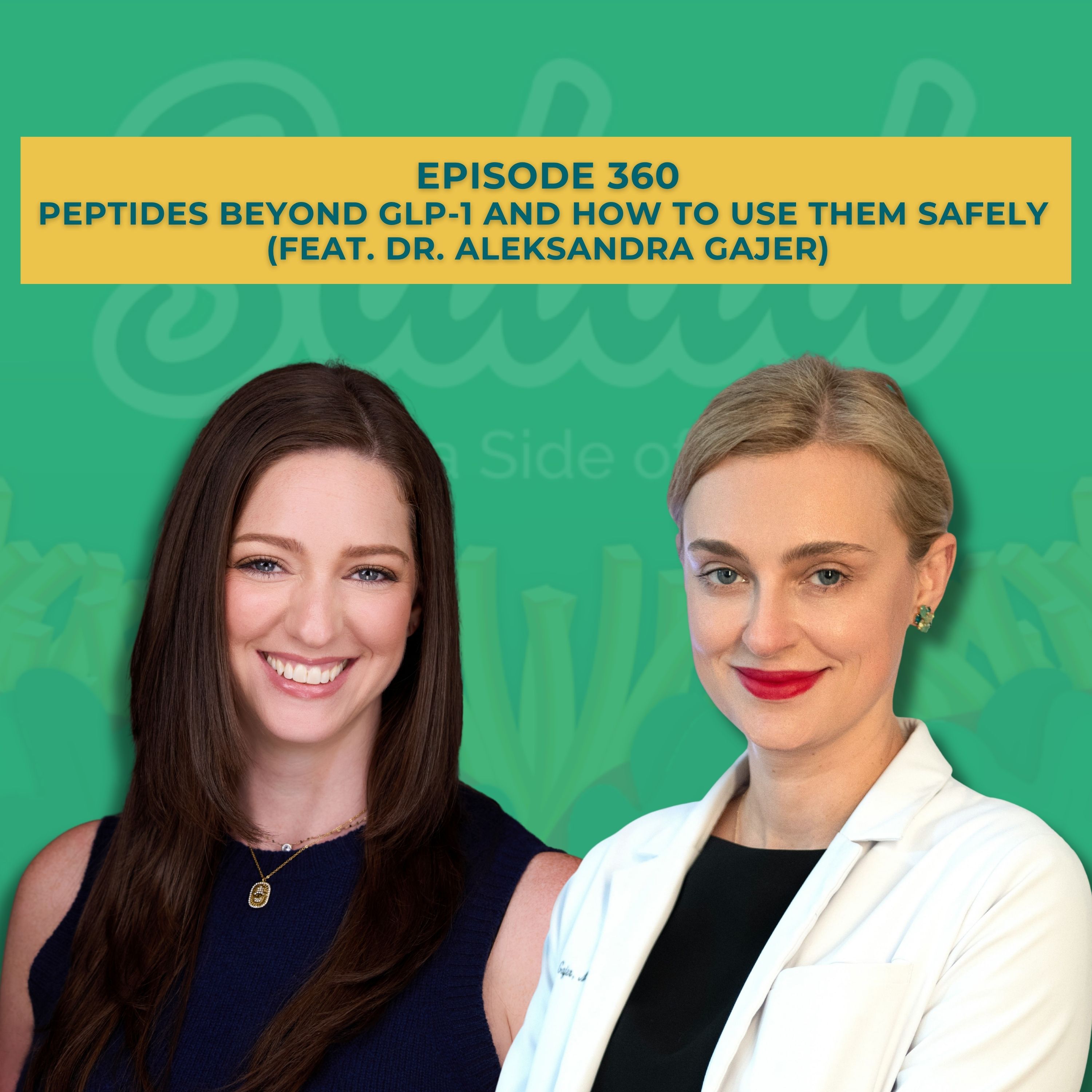
Peptides Beyond GLP-1 and How to Use Them Safely (feat. Dr. Aleksandra Gajer)
Description
Curious whether peptide therapy is the missing piece in your wellness routine, or just another overhyped trend? This episode breaks down what these powerful chemical messengers do in the body, from healing injuries to balancing brain chemistry, cellular energy and more, plus why sourcing and dosing make all the difference.
Host Jenn Trepeck sits down with Dr. Aleksandra Gajer to explore BPC 157, brain-supporting peptides, and mitochondrial function, while tackling how to use peptides safely, who should avoid them, and why they work best as a tool rather than a magic fix-all.
What You Will Learn in This Episode:
✅ How peptide therapy acts as a chemical messenger system that supports the body's own healing pathways rather than overriding them
✅ Why BPC 157 has become one of the most talked about peptides for tendon repair, gut healing, and recovery
✅ How neuroinflammation, not just neurotransmitter imbalance, may be driving anxiety, depression, and brain fog
✅ The role of mitochondrial function and insulin sensitivity in body composition, energy, and long-term metabolic health
The Salad With a Side of Fries podcast, hosted by Jenn Trepeck, explores real-life wellness and weight-loss topics, debunking myths, misinformation, and flawed science surrounding nutrition and the food industry. Let’s dive into wellness and weight loss for real life, including drinking, eating out, and skipping the grocery store.
TIMESTAMPS:
00:00 Dr. Aleksandra Gajer's path from emergency medicine to proactive, personalized healthcare
08:04 Defining peptides and their relationship to inflammation and healing
10:04 Exploring BPC 157 for tendon injury, gut healing, and tissue recovery
12:31 How peptides support autoimmune conditions by regulating immune balance
15:35 Brain peptides Selank and Semax and the truth behind the neuroinflammation link to anxiety
18:57 Understanding mitochondrial function, fatigue, and brain fog as cellular energy issues
20:35 MOTS-c, insulin sensitivity, and the connection to body composition
22:18 Why peptides work best as a tool, not a replacement for healthy habits
26:03 Safe peptide sourcing, endotoxins, and who should avoid peptide therapy
33:54 Hormone health, dosing strategy, and cycling peptides for sustainable results
KEY TAKEAWAYS:
💎 Peptide therapy works with the body's natural signaling system, supporting existing pathways instead of forcing a reaction the way many medications do
💎 BPC 157 shows strong potential for healing tendons and the gut, but lacks extensive human trials, so working with an informed provider matters
💎 Anxiety and depression may stem from neuroinflammation rather than a simple chemical imbalance, opening the door to new peptide-based approaches
💎 Safe peptide sourcing from a compounding pharmacy or tested lab is essential, since unregulated peptides can carry dangerous endotoxins
ABOUT THE GUEST:
Dr. Aleksandra Gajer, originally from Poland and raised in the United States, is a dedicated medical professional focused on advancing healthcare. She graduated with top honors from the University of Maryland School of Medicine and completed her residency in academic emergency medicine at The George Washington University.
Dr. Gajer’s special interests include sustainable weight loss, balanced hormone health, and longevity. She emphasizes the importance of lifestyle adjustments to optimize patients’ biology, promoting health, vitality, and long-term wellness. Inspired by her experiences in emergency medicine working with communities facing health challenges, she shifted her focus to proactive, comprehensive healthcare. Establishing The Gajer Practice allows her to offer personalized care and empower individuals to lead healthier lives by intervening before illness takes hold.