Episode Details
Back to Episodes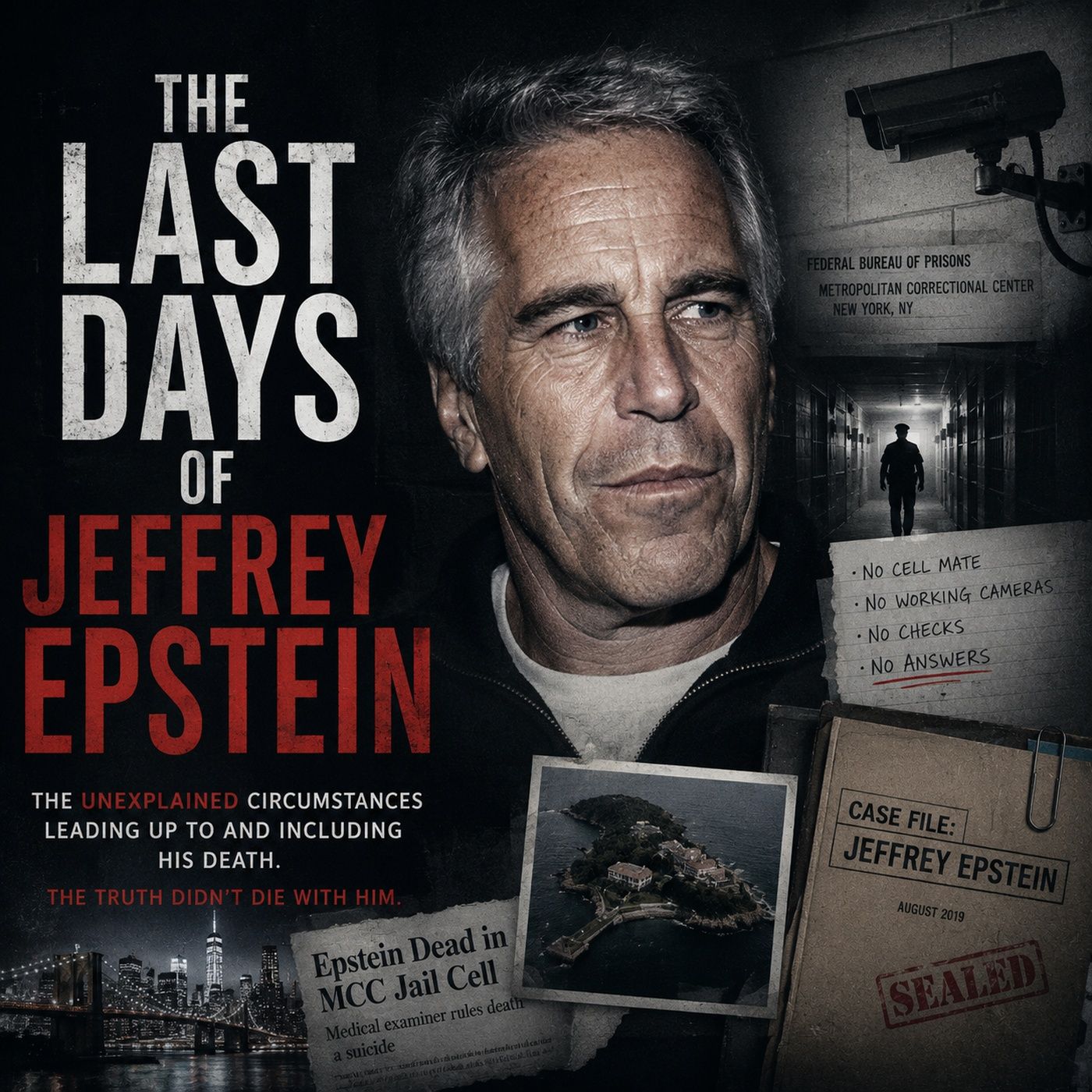
The MCC And Their Investigation Into The Epstein/Tartaglione Incident (6/19/26)
Published 1 month, 4 weeks ago
Description
The speed with which Metropolitan Correctional Center officials cleared Nicholas Tartaglione remains difficult to reconcile with the seriousness of Jeffrey Epstein’s original accusation. After Epstein was found barely responsive with material around his neck on July 23, 2019, a correctional officer reported that Epstein accused Tartaglione—his cellmate and a former police officer then facing charges in four murders—of trying to kill him following threats and an alleged attempt to extort money. Yet the internal inmate-investigation report was completed by August 2, only ten days after the incident, and concluded that Tartaglione had no involvement. Epstein later gave a different account and denied feeling threatened, but that contradiction should have expanded the investigation rather than abruptly resolving it. Investigators were dealing with an extraordinarily vulnerable federal detainee, a potentially violent cellmate, conflicting statements and injuries serious enough to place Epstein on suicide watch.
There is little public evidence that authorities conducted the kind of comprehensive investigation such an allegation demanded. The crucial surveillance video became entangled in contradictory government representations and was initially said to have been preserved before officials admitted that the wrong tier had been recorded and the relevant footage had been erased. Years later, Tartaglione’s attorneys produced an alleged Epstein note that apparently had never been obtained, authenticated or examined as part of the Justice Department’s official inquiry, further suggesting that important evidence remained outside the investigative record. None of this proves that Tartaglione attacked Epstein, especially because Epstein changed his story, but it does raise a legitimate question about whether MCC officials genuinely investigated every possibility or simply accepted the most administratively convenient explanation. Given Epstein’s prominence, the gravity of the accusation and what happened only eighteen days later, the appearance of a hurried internal clearance is yet another example of authorities reaching a firm conclusion without ever publicly demonstrating that the underlying investigation was equally firm.
to contact me:
bobbycapucci@protonmail.com
There is little public evidence that authorities conducted the kind of comprehensive investigation such an allegation demanded. The crucial surveillance video became entangled in contradictory government representations and was initially said to have been preserved before officials admitted that the wrong tier had been recorded and the relevant footage had been erased. Years later, Tartaglione’s attorneys produced an alleged Epstein note that apparently had never been obtained, authenticated or examined as part of the Justice Department’s official inquiry, further suggesting that important evidence remained outside the investigative record. None of this proves that Tartaglione attacked Epstein, especially because Epstein changed his story, but it does raise a legitimate question about whether MCC officials genuinely investigated every possibility or simply accepted the most administratively convenient explanation. Given Epstein’s prominence, the gravity of the accusation and what happened only eighteen days later, the appearance of a hurried internal clearance is yet another example of authorities reaching a firm conclusion without ever publicly demonstrating that the underlying investigation was equally firm.
to contact me:
bobbycapucci@protonmail.com