Episode Details
Back to Episodes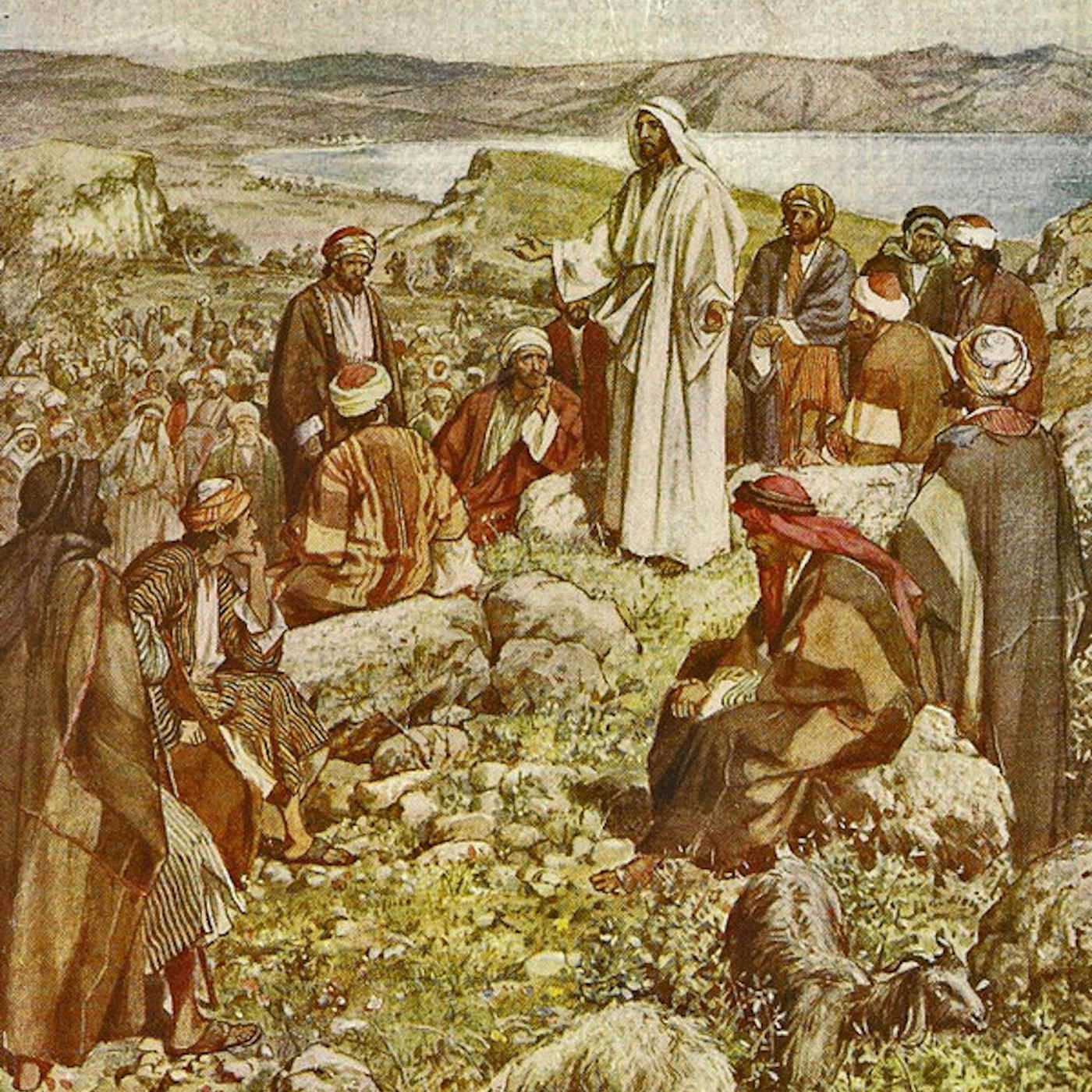
Thursday of the Eleventh Week in Ordinary Time - Learning to Pray Rightly
Published 4 months ago
Description
Read Online
Jesus said to his disciples: “In praying, do not babble like the pagans, who think that they will be heard because of their many words. Do not be like them. Your Father knows what you need before you ask him. This is how you are to pray: ‘Our Father who art in heaven, hallowed be thy name…” Matthew 6:7–9
Many pagans of Jesus’ time believed they could manipulate divine action by sheer persistence, lengthy incantations, or empty repetition. Jesus contrasts this with true prayer, which is about trust in the Father’s providence, not coercion. Christian prayer is not about forcing God’s hand but about uniting our hearts to His will.
Saint Thomas Aquinas offers profound insight into the Lord’s Prayer: “Since prayer is the expression of our desires before God, we should only ask for what we ought to desire. The Lord’s Prayer not only contains everything we should desire, but it presents them in the proper order—thus shaping not only our petitions but also our hearts” (Summa Theologiae, II-II, 83.9).
According to Saint Thomas, prayer begins with truth entering the mind. Before we can choose and desire what is good, we must first recognize what is truly good in the eyes of God. For that reason, the first three petitions of the Lord’s Prayer focus on God’s glory—the highest good—rather than our needs:
Jesus said to his disciples: “In praying, do not babble like the pagans, who think that they will be heard because of their many words. Do not be like them. Your Father knows what you need before you ask him. This is how you are to pray: ‘Our Father who art in heaven, hallowed be thy name…” Matthew 6:7–9
Many pagans of Jesus’ time believed they could manipulate divine action by sheer persistence, lengthy incantations, or empty repetition. Jesus contrasts this with true prayer, which is about trust in the Father’s providence, not coercion. Christian prayer is not about forcing God’s hand but about uniting our hearts to His will.
Saint Thomas Aquinas offers profound insight into the Lord’s Prayer: “Since prayer is the expression of our desires before God, we should only ask for what we ought to desire. The Lord’s Prayer not only contains everything we should desire, but it presents them in the proper order—thus shaping not only our petitions but also our hearts” (Summa Theologiae, II-II, 83.9).
According to Saint Thomas, prayer begins with truth entering the mind. Before we can choose and desire what is good, we must first recognize what is truly good in the eyes of God. For that reason, the first three petitions of the Lord’s Prayer focus on God’s glory—the highest good—rather than our needs:
- “Hallowed be Thy name” expresses the desire that God’s holiness be recognized, honored, and made known both within us and through our witness in the world.
- “Thy Kingdom come” is a plea for God’s reign to be established in our hearts and ultimately in the fulfillment of His Kingdom at the end of time.
- “Thy will be done on earth as it is in heaven” is a petition that our wills be conformed only to God’s divine will, seeking to obey Him as the saints and angels do in Heaven.
- “Give us this day our daily bread” expresses our desire for material sustenance and spiritual nourishment through the Eucharist. As our hearts are transformed, we come to hunger not only for earthly provision but for the Bread of Life, Christ Himself.
- “Forgive us our trespasses, as we forgive those who trespass against us” is a plea for God’s mercy, teaching us that we must extend forgiveness to everyone if we hope to receive it. Over time, grace enables us to desire mercy more than vengeance, forming our hearts in charity.
- “Lead us not into temptation” asks for God’s help in avoiding situations that might lead us to sin. The more we grow in grace, the more we come to despise sin rather than desire it.
- “Deliver us from evil” is the final and most complete petition—a plea for liberation from ALL evil: sin, satan, and all that separates us from God. Here, desire reaches its highest purification in which the soul longs for final union with God, free from all evil, and attains it through purified desire.
Listen Now
Love PodBriefly?
If you like Podbriefly.com, please consider donating to support the ongoing development.
Support Us