Episode Details
Back to Episodes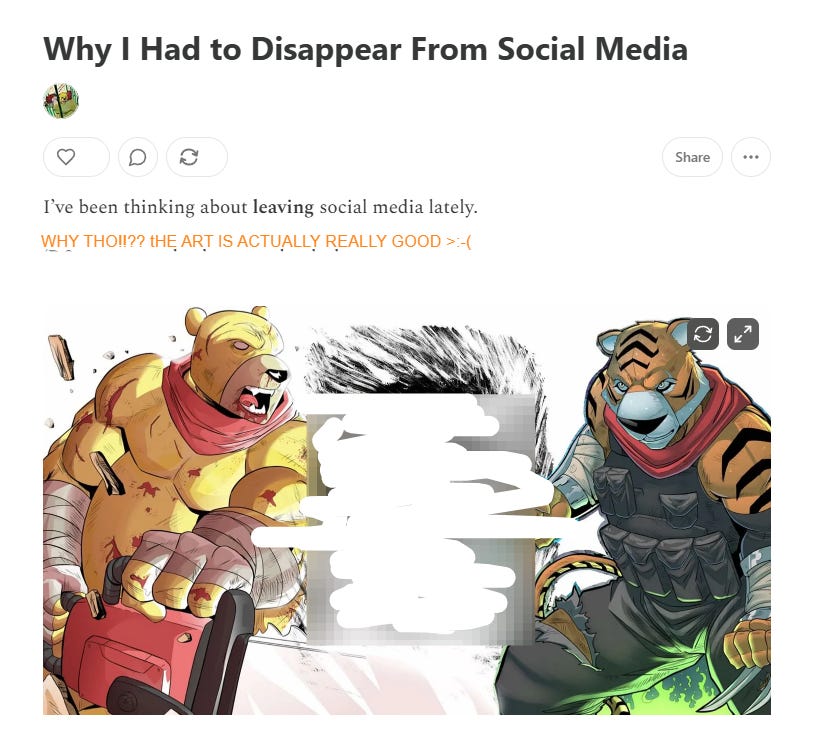
derivative
Description
In this episode of the Xeroforhire Podcast, XERO responds to a recent article from indie comic creator Raven’s Loft titled “Why I Had to Disappear From Social Media.” While agreeing that social media can be exhausting and often rewards outrage, clickbait, and endless engagement, he argues that social media is not the real problem facing most independent creators.
Drawing from his own experiences in comics, music, publishing, and online media, XERO explores the difference between visibility and sustainability. He challenges the common belief that success is simply a matter of being seen by more people, suggesting that many creators are actually struggling with unstable business models, changing cultural trends, and dependence on platforms they do not control.
The discussion expands into the rise and decline of various creative trends, from culture-war comics and Kickstarter booms to the “Bad Girl” comic era of the 1990s. XERO argues that many creators mistake temporary waves of popularity for permanent opportunities and are now confronting the reality that those audiences have moved on.
A major theme of the episode is what he calls the “cover band problem.” Using examples from music, YouTube, and comics, he examines how creators often build audiences around existing intellectual property, nostalgia, parody, or derivative concepts. While these approaches can attract attention quickly, they can leave creators dependent on borrowed recognition rather than building something they truly own.
The conversation ultimately shifts toward infrastructure, ownership, and audience psychology. Rather than focusing exclusively on algorithms and social media growth, XERO argues that creators should be asking deeper questions about what audiences are actually seeking. People do not gather around comics, books, movies, or games simply because of the medium itself; they gather around the ideas, fantasies, values, identities, hopes, and experiences those mediums deliver.
The episode concludes with a call for creators to think beyond visibility and trends, build stronger foundations, and focus on creating work that can survive long after the current platform, algorithm, or cultural moment has passed.
Timestamps
00:00 - Introduction and why this episode is being re-recorded
00:37 - Raven’s Loft’s article and recent manga creators leaving social media
02:27 - Agreeing with the frustration while questioning the structure of the complaint
03:30 - Social media exhaustion, family responsibilities, and the realities of adult life
05:24 - “Nobody cares” and the changing realities of online creative work
06:19 - When artists accidentally become business owners
07:23 - The end of the 2013 indie comic boom and the importance of positioning
08:37 - Creating a comic versus finding an audience for it
10:12 - Culture-war comics, market shifts, and changing consumer interests
12:06 - The rise and decline of Kickstarter-driven comic trends
14:48 - Why infrastructure matters more than platforms
15:52 - The “cover band problem” and derivative creative work
16:04 - Public domain characters, parody comics, and borrowed recognition
18:17 - Lessons from local cover bands and original music
21:20 - YouTube covers, reaction content, and derivative media
23:23 - The cycle of building an audience around someone else’s ideas
25:22 - Critiquing derivative comics while praising artistic talent
26:50 - Collaboration, shared platforms, and the cafeteria analogy
30:05 - Social media as a symptom rather than the core problem
31:06 - Comics as a vehicle rather than the destination
32:24 - What audiences are actually buying when they buy media
33:43 - Meaning,