Episode Details
Back to Episodes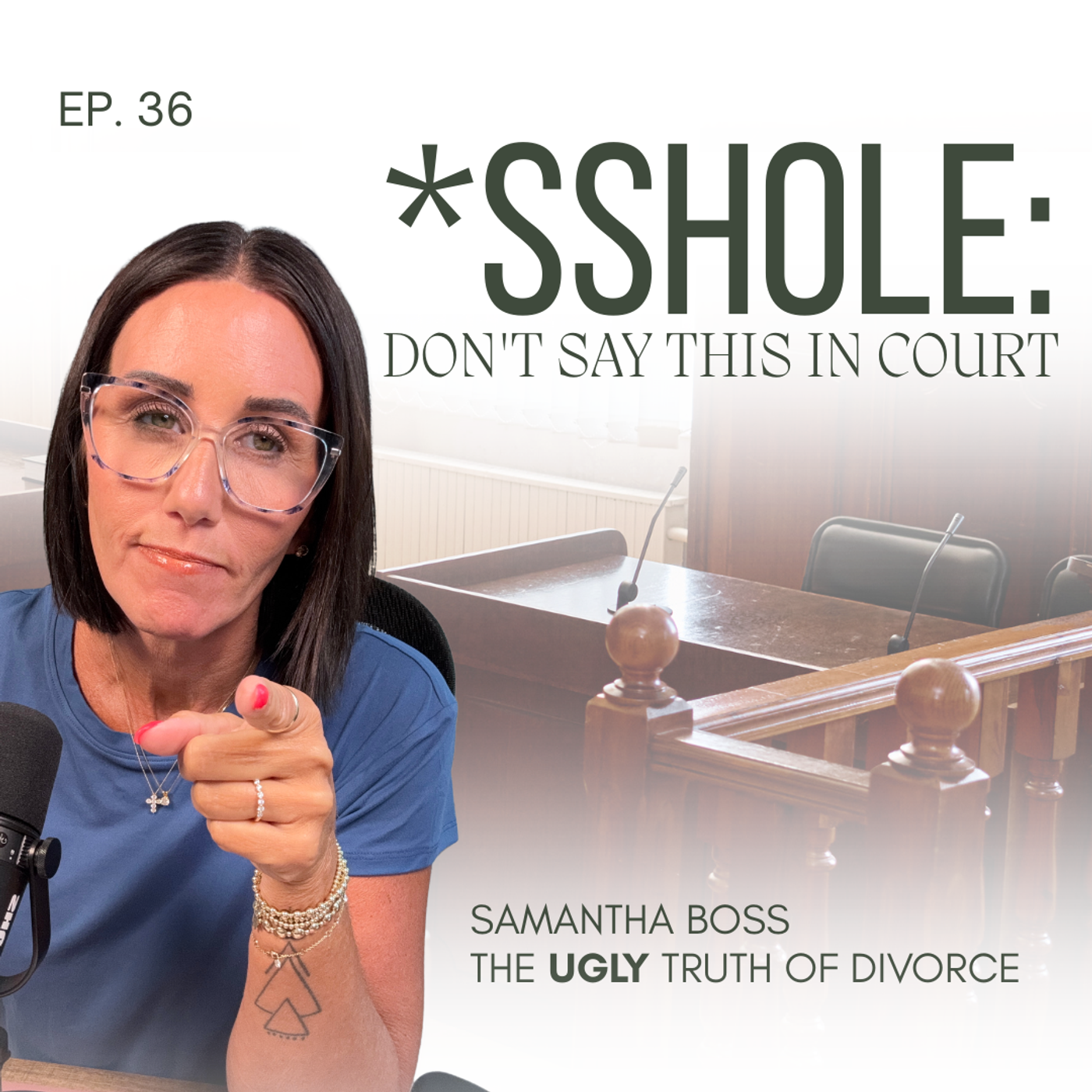
Stop Calling Them High Conflict, Start Proving It
Description
You stood up. You said "my ex is a narcissist." And every person in that courtroom over the age of 40 silently rolled their damn eyes at you.
Welcome to the dumbest move in custody court. Yet half of you are still going to do it next month.
Somewhere along the line, you decided that the buzzwords you learned from a TikTok therapist were going to seal the deal. Narcissist. High conflict. Toxic. Manipulator. Crazy. Asshole. You've been rehearsing it for weeks. You think the judge is finally going to understand. The judge already understood 30 seconds in. They just don't agree with you. And now they're waiting for something they can actually write down. You're not going to give it to them. Because you spent the last three years labeling instead of documenting.
This week I'm taking a flamethrower to everything you've been told about how to win in court. You're not special. Your story isn't special. Your ex isn't even that unique. What separates the winners is who walks in with receipts and who walks in with adjectives.
I'm laying out the exact data-driven reframes for every common complaint. "He's always late" becomes "18 of 30 exchanges, late 10 to 45 minutes." "She doesn't communicate" becomes "14 of 22 messages about the kids, ignored." "He talks badly about me" becomes "27 messages in three weeks containing insults, all highlighted." And the brutal courtroom move I'd pull as your attorney with that list. I'd make your ex stand on the stand and read every single insult out loud. Their words. Their face. Their voice. Their loss.
I'm also coming for the attorney who's been pocketing your retainer without ever asking you for a spreadsheet. The one who lets you treat the stand like a therapy couch. If your attorney hasn't asked you for documentation, you've got a Larry. And Larry is going to lose you this case while charging you for the privilege.
The brutal truth nobody wants to say out loud. Storytelling doesn't win custody. Spreadsheets do. Adjectives don't win custody. Numbers do. Pain doesn't win custody. Patterns do. And if you walked out of your last hearing with nothing to show for it, your strategy was the problem. Not the judge. Not your ex. You.
If you've got a hearing on the calendar, drop everything and listen to this. Next time you walk in there, walk in with the spreadsheet.
Here’s What You Can Actually Take Away:
- Stop Describing, Start Documenting - The judge doesn't care what you think your ex is, they care what you can prove your ex does.
- Opinions Get You Labeled Too - When you stand up and call your ex a narcissist or an asshole, the judge silently labels YOU as the dramatic one in the room.
- Reframe Everything As Data - "Always late" becomes "18 of 30 exchanges late by 10 to 45 minutes" and now the judge has something to write down.
- Patterns Beat Incidents Every Time - Judges dismiss single events as bad days and downplay them; consistent patterns over months are impossible to ignore.
- Your Story Is Not Evidence - Court is for proof, therapy is for processing, and if you confuse the two you'll lose both rooms.
- Have Them Read It Out Loud - When your ex's own insults are highlighted on paper, the most damaging move is making them say each one in their own voice.
- Build Your Case Like A Paralegal - Hiring an attorney does not mean you stop working; documentation is YOUR job and Larry's just there to present it.
The Judge Hears This All Day - Standing out isn't about being louder, it's about being the only parent in the room with receipts.
Listen Now
Love PodBriefly?
If you like Podbriefly.com, please consider donating to support the ongoing development.
Support Us