Episode Details
Back to Episodes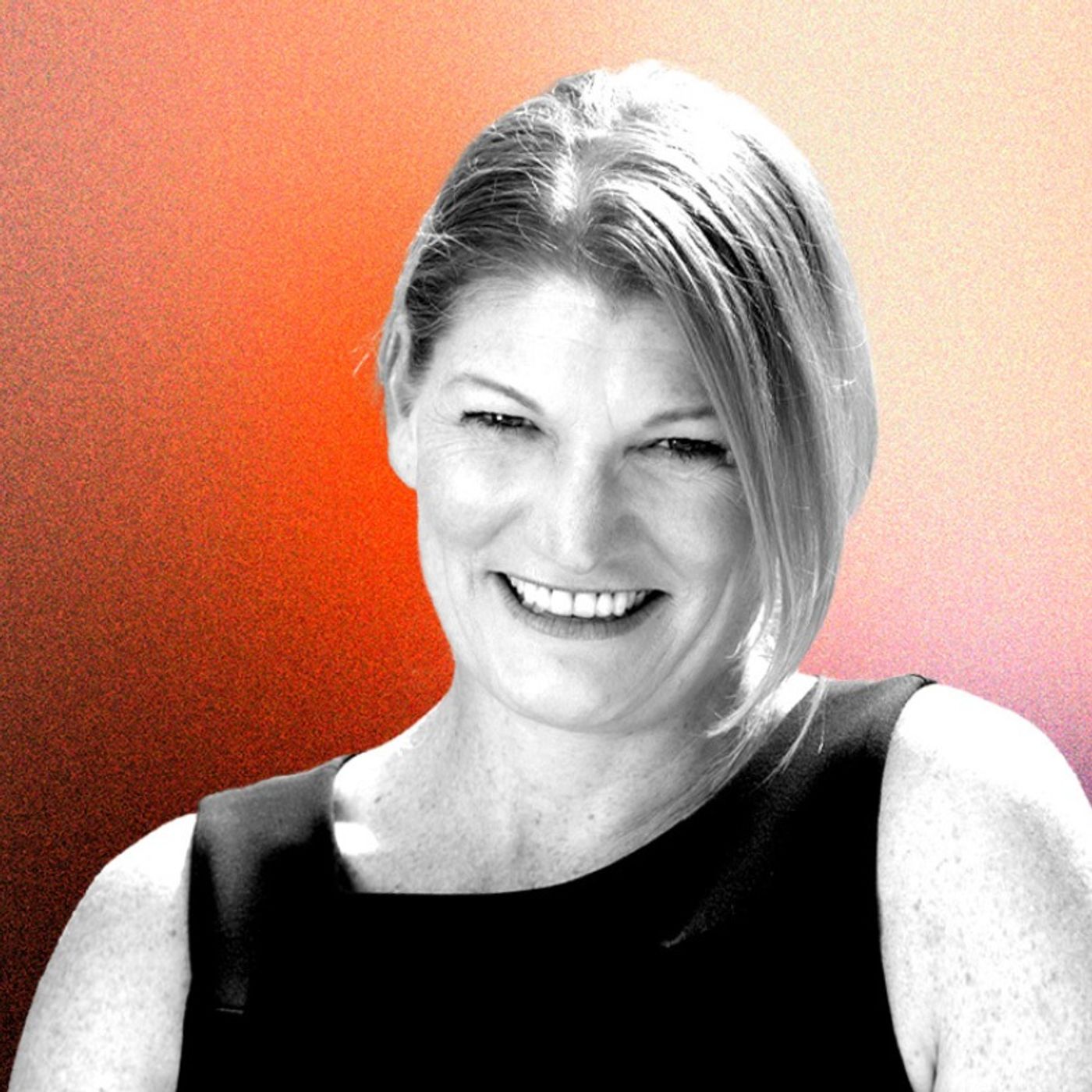
Social Media Bans Are Wildly Popular. They Might Also Be a Mistake.
Description
Towards the end of last year, Australia did something no other country had ever tried: it banned social media for kids under 16. And a bunch of others are following with similar laws, first Denmark, then France, then Indonesia and Austria. All in, there are now more than 25 countries that have either implemented, or are actively considering, social media bans for kids. It seems like Canada is moving there as well. In April, the Liberal party adopted a non-binding motion to restrict young people’s access to both social media and AI chatbots.
All over the world, you can hear parents breathing a sigh of relief. They’ve spent the last decade watching their kids become hooked on their devices, and now we’re doing something about it. It looks like we’re finally going to get our kids back.
But researchers like Candice Odgers are skeptical. Odgers is a psychology professor at UC Irvine who’s been studying the digital lives of young people for almost 20 years now, long before anyone was worried about what social media was doing to their brains. She says there isn’t really any research to suggest these bans will work. But her argument goes even deeper than that: she says the idea that smartphones have caused a youth mental health crisis just isn’t supported by the evidence.
So as governments all over the world start to kick kids off social media, and maybe even AI chatbots as well, Candice Odgers thinks we’re making a serious mistake. And I want to know if she’s right.
Mentioned
- The Anxious Generation, by Jonathan Haidt (Penguin Press, 2024).
- Australia’s under-16 social media ban — the Online Safety Amendment (Social Media Minimum Age) Act 2024, in effect 10 December 2025 — eSafety Commissioner.
- National Academies of Sciences, Engineering, and Medicine, “Social Media and Adolescent Health” (2024).
- Hunt Allcott et al., “The Effects of School Phone Bans: National Evidence from Lockable Pouches,” NBER (2026) — near-zero effects on test scores, attendance, and bullying.
- The University of Manchester #BeeWell study finding no link between social media/gaming use and later anxiety or depression, Journal of Public Health (2026).
- “The Kids Are All Right,” Scientific American (2026) — young people doing better than prior generations on many metrics.
- The Stanford-led evaluation of Australia’s ban (Stanford Social Media Lab with the eSafety Commission), finding most teens stayed on the platforms — The Conversation.
- The early-1980s Pac-Man moral panic (Surgeon General C. Everett Koop’s 1982 warning; municipal moves to restrict arcades) — Freethink.
- Section 230 of the US Communications Decency Act (47 U.S.C. § 230) — Cornell Legal Information Institute
- Canada’s Gen(Z)AI youth assembly on AI (~100 young Canadians aged 17–23), Centre for Media, Technology and Democracy, findings presented in Ottawa.
Machines Like Us is hosted by Taylor Owen, produced by Paradigms, and distributed by The Globe and Mail.
Hosted by Simplecast, an AdsWizz company. See pcm.adswizz.com for information about our collection and use of personal data for advertising.