Episode Details
Back to Episodes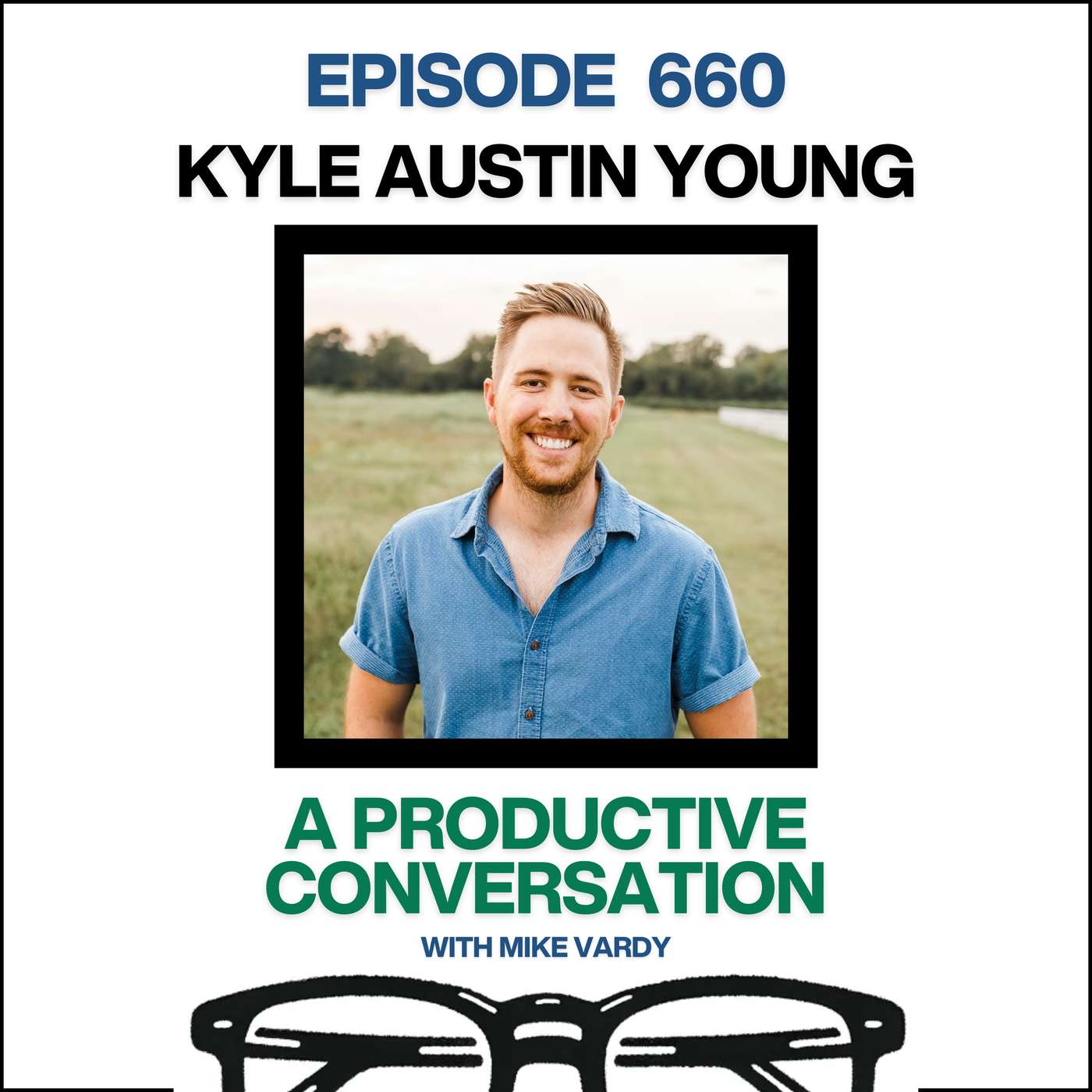
Why Playing the Odds Beats Beating the Odds (with Kyle Austin Young)
Description
My book, Productiveness, is now available. It's about the difference between doing more and doing what matters, and how we lost the ability to tell them apart. I'll send the release date the day it's set. Visit https://mikevardy.com/productiveness to learn more and get your copy today.
Most of us have been told that success is about mindset — stay positive, visualize the outcome, trust the process. But what if that advice is quietly working against you? What if the more honest — and more useful — move is to look directly at what could go wrong, name it clearly, and then do something about it?
That's the argument Kyle Austin Young makes in his book Success is a Numbers Game. Kyle isn't asking you to become a pessimist. He's asking you to stop pretending uncertainty doesn't exist — and start using it as a lever. This episode gets into probability, decision-making, and what it actually means to give yourself better odds.
Six Discussion Points
- The reason generic optimism fails: unnamed, unfocused anxiety doesn't disappear when you think positive — it just goes underground
- Why "success is a numbers game" isn't about obsessing over data, but about acknowledging that ignoring uncertainty is its own kind of risk
- The averaging trap: multiplying the odds of what has to go right reveals a predicted failure even when each individual step feels doable
- How the Miracle on Ice reframes as probability rather than miracle — and what the US hockey program's subsequent growth tells us about the compounding effect of one win
- The success diagram as a practical tool: mapping what has to go right, identifying the potential bad outcomes beneath each step, and using creativity to reduce those risks
- Why AI is most useful in this framework as a brainstorming partner — helping you surface obstacles and workarounds you might not think to name on your own
Three Connection Points
- Success is a Numbers Game by Kyle Austin Young
- Connect with Kyle on LinkedIn
- Stop Managing Your Time. Start Crafting Your Time Instead. A complementary piece designed to help you structure your time so the pauses Kyle recommends actually have a place to land
What Kyle is really describing is the difference between hoping things go well and actively improving the odds that they will. That's a distinction that matters whether you're chasing a career goal, building a creative practice, or simply trying to follow through on what you said you'd do. The success diagram isn't a complicated tool — it's a focused one. And focus, as Kyle puts it, is what lets you live your life and still recognize the right moment when it arrives. If this conversation shifted something for you, I'd encourage you to sit with it — and maybe grab the book.