Episode Details
Back to Episodes“Brackets Are a Bad Way to Regulate” by Hide
Description
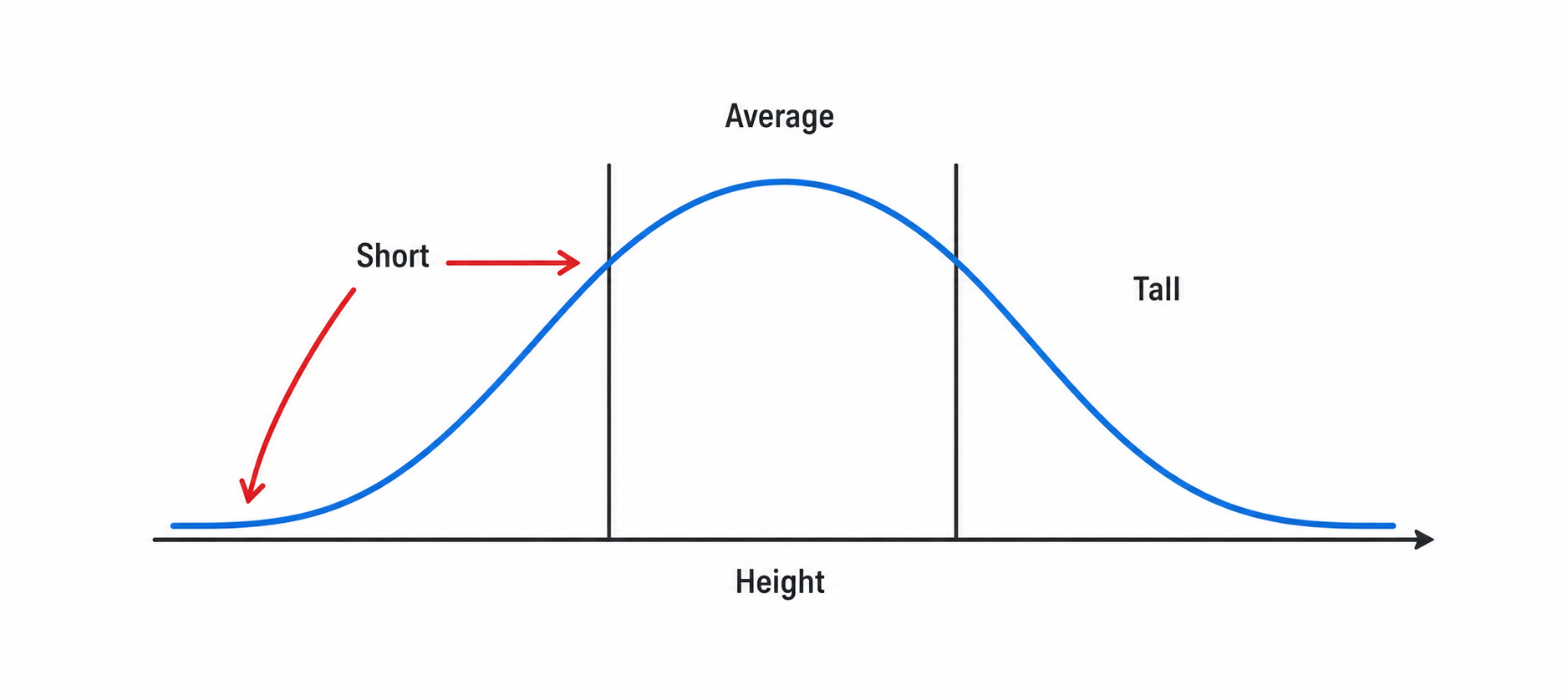
Continuous distributions are everywhere - for virtually everything we care about, a little more is a little better (or worse), and a lot more is a lot better (or worse). This presents a problem - we need to create rules that reasonably and fairly apply across these continuums, where the degree to which a thing possesses a trait makes a difference to the reasonable treatment of it.
Going 1m/h over the limit, and going 150 in a 40 zone are both “speeding”, yet we must punish these things differently.
The default solution for almost all regulations is to slice these continuous distributions into chunks, and treat the chunks as basically equivalent phenomena - squishing a continuous distribution into five or so blocks, and manually writing rules to apply uniformly within the blocks.
Examples include:
- Speed limits
- Tax brackets
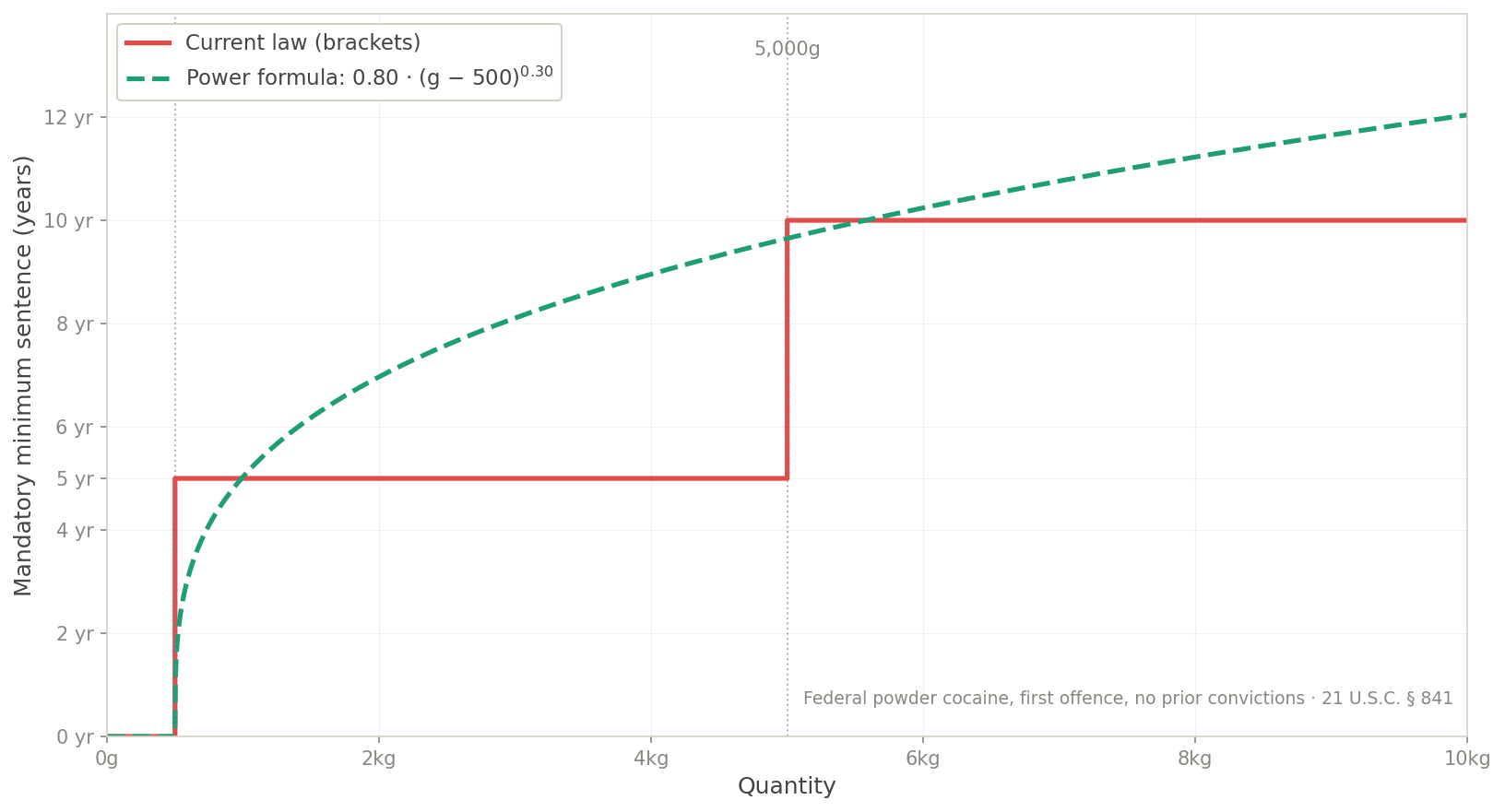
- Sentencing thresholds
- Overtime thresholds
- Pension eligibility
This is a very bad system.
Brackets are fundamentally inefficient
For any bracket over a continuous distribution, the upper section of the bracket has more of the trait than the bottom section.
As a result, for any incentive or punishment applying uniformly across a bracket, the ends of the [...]
The original text contained 3 footnotes which were omitted from this narration.
---
First published:
May 26th, 2026
Source:
https://www.lesswrong.com/posts/FDxvpznjMzGNHjDRS/brackets-are-a-bad-way-to-regulate
---
Narrated by TYPE III AUDIO.
---
Images from the article:

Apple Podcasts and Spotify do not show images in the episode description. Try Pocket Casts, or another podcast app.