Episode Details
Back to Episodes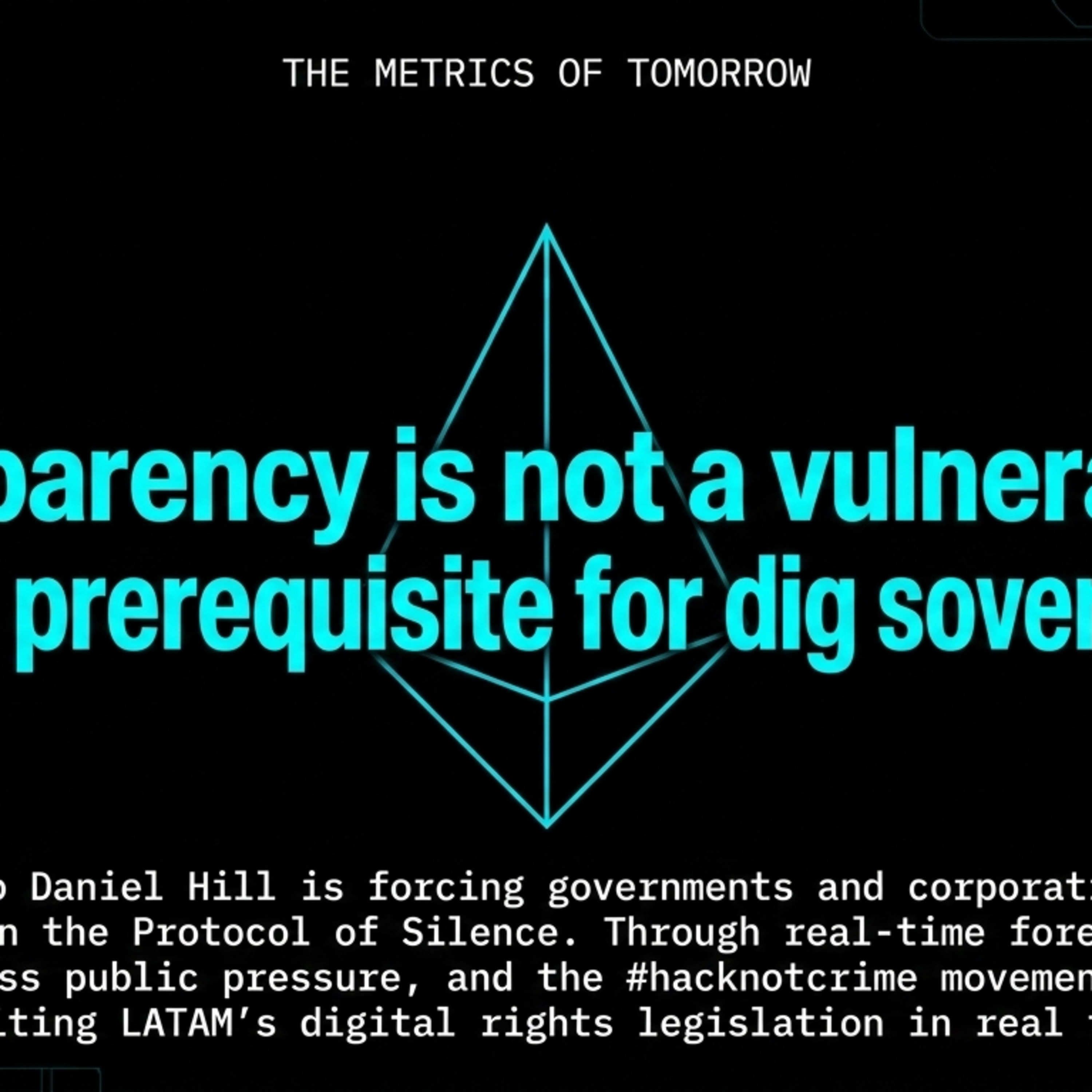
Risk & Radical Transparency
Published 5 days ago
Description
The video "Risk & Radical Transparency" is structured as a strategic risk management briefing tailored for a corporate executive audience. It presents Alberto Daniel Hill's cybersecurity frameworks through the lens of a consultant advising on modern enterprise threats.
Here is a breakdown of what the video covers:
- Radical Transparency vs. Traditional Compliance: The video directly contrasts standard corporate compliance models—which heavily rely on secrecy and Non-Disclosure Agreements (NDAs)—with Hill's asymmetric "radical transparency" framework. It argues that in an era of advanced threat actors, traditional defensive secrecy is obsolete, positioning transparency as a prerequisite for digital sovereignty rather than a vulnerability.
- The Dangers of the "Protocol of Silence": The briefing focuses on how corporations and state entities instinctively rely on the "Protocol of Silence" during a data breach. It explains that institutions often use narrative minimization and absolute muteness to protect their corporate reputation, which essentially gambles with public safety.
- Implications of the "Security Gap": It details the severe real-world consequences of the "Security Gap"—the artificial window of time created when organizations delay publicly acknowledging an attack. The video highlights how, during this period, compromised data, electronic signatures, and biometric tokens remain active and unrevoked, leaving users completely defenseless against identity theft and financial fraud.
- Chronus Mafia Case Study: To illustrate these concepts in action, the video uses Hill's live threat intelligence regarding the Chronus Mafia. It details how, in March 2026, Hill monitored an underground live audio room called "Bombitas del gobierno" and intercepted an active threat vector. By publicly forecasting and validating the syndicate's planned attack on Argentine state infrastructure days before the massive exfiltration occurred, the briefing demonstrates the effectiveness of open-source intelligence over traditional corporate secrecy.