Episode Details
Back to Episodes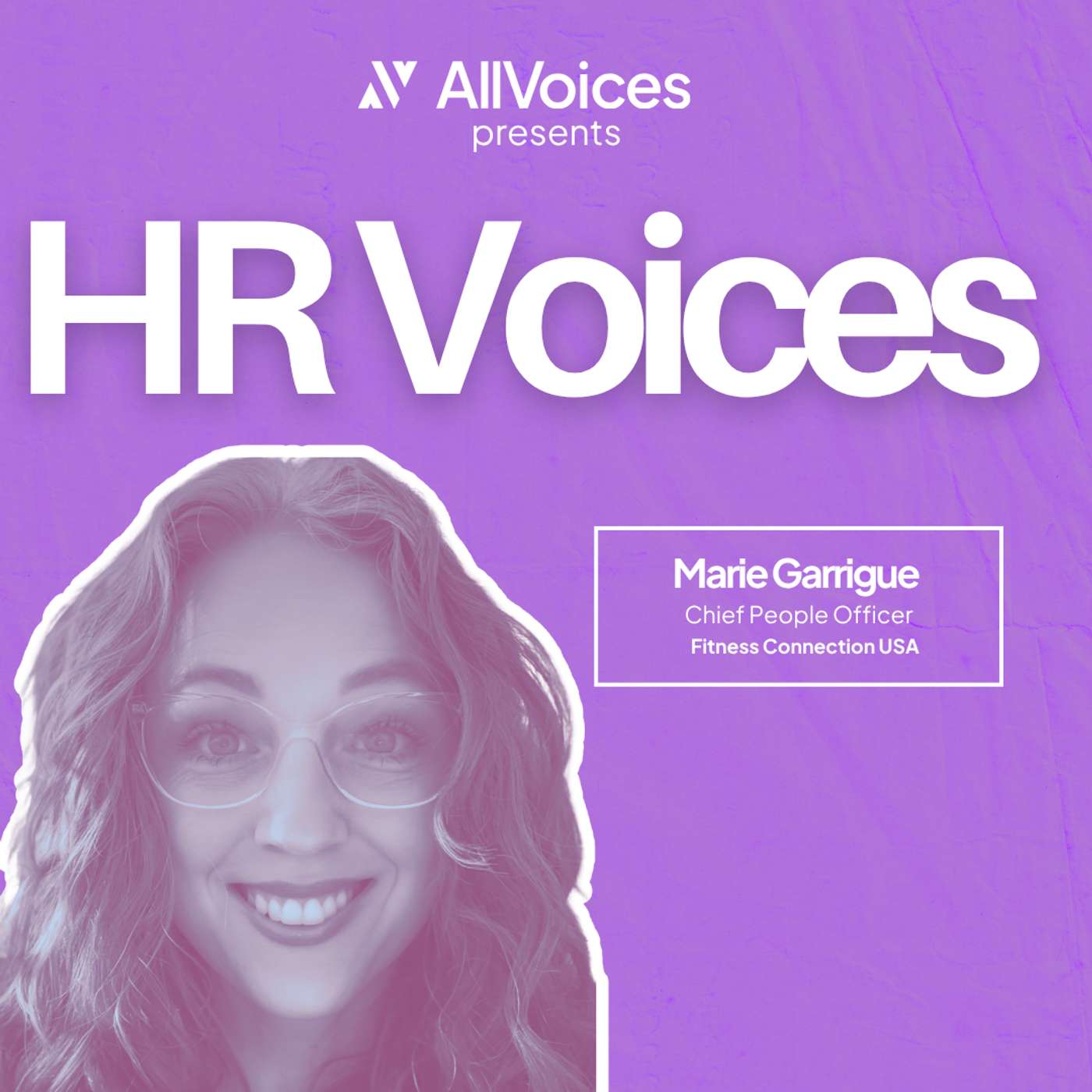
The $400K Distraction: What Happens When Senior Leaders Undermine HR Policy
Description
Summary
According to a 2024 Society for Human Resource Management report, 67% of organizations now encourage pronoun sharing as part of workplace inclusion efforts — yet only 23% report zero employee objections. A company updates its inclusion policy to ask employees to share pronouns optionally in email signatures and during introductions. One employee refuses, stating that mandatory pronoun sharing — even optional in structure — violates his religious beliefs. Another employee argues that the absence of a mandate makes the policy toothless and fails transgender colleagues. HR is caught between religious accommodation requests, LGBTQ+ inclusion obligations, and a policy that tried to thread the needle but pleased no one. A senior leader publicly sides with the religious objector. HR must now manage both the policy question and the leader's statement.
Marie Garrigue, Chief People Officer at Fitness Connection USA, walks through this scenario on HR Voices — revealing how experienced HR leaders assess risk, manage public dissent from senior leadership, and navigate the tension between inclusive intent and cultural readiness.
Timestamps
00:02 Rebecca introduces the pronouns policy scenario
01:40 Marie identifies the biggest risk: productivity loss and cultural damage
04:22 Why understanding employee intent matters before investigation
08:02 Should senior leaders publicly back policy objectors?
12:52 The problem with "optional" policies and inclusion mandates
16:13 Risk of moving too fast vs. too slow to resolution
19:58 When employees feel forced to choose between identity and paycheck
22:36 How to prepare managers for inclusion-based divides
25:58 Who ultimately owns the outcome of culture policy disputes
27:32 The assumption about HR that needs to be challenged
Takeaways
- Investigate employee intent early: distinguish between heartfelt internal conflict and orchestrated political agenda before designing your response.
- Public dissent from senior leaders can be an opportunity for repair if addressed transparently — underground dissent damages culture far more.
- Optional policies and mandatory compliance are not congruent: if a policy can be ignored, it will undermine both the initiative and trust in leadership commitment.
- Change management must precede policy rollout: inclusion policies introduced without stakeholder buy-in, advocate networks, and manager preparation become "random acts of HR" that distract from productivity.
- Culture policy outcomes are executive team responsibilities, not HR scapegoats: cross-functional ownership from operations, CEO, and people teams ensures accountability and credibility.
Connect with the Guest
Connect with Marie Garrigue on LinkedIn: https://www.linkedin.com/in/mariegarrigue/
Learn more about Fitness Connection USA: https://fitnessconnection.com/
Sponsor
AllVoices brings all your employee relations work together in one place. No more jumping between spreadsheets, emails, and legacy systems just one place to document and manage reports, cases, investigations, and performance conversations. It helps you run a more consistent process, takes busywork off your plate with AI, and makes it easier to spot trends early, so you can work proactively, not just put out fires.
See a demo at https://www.allvoices.co/
- (00:02) - Rebecca introduces the pronouns policy scenario
- (01:40) - Marie identifies the biggest risk: productivity loss and cultural damage
- (04:22) - Why understanding employee intent matters before investigation
- (08:02) - Should senior leaders publicly back policy objectors?
- (12