Episode Details
Back to Episodes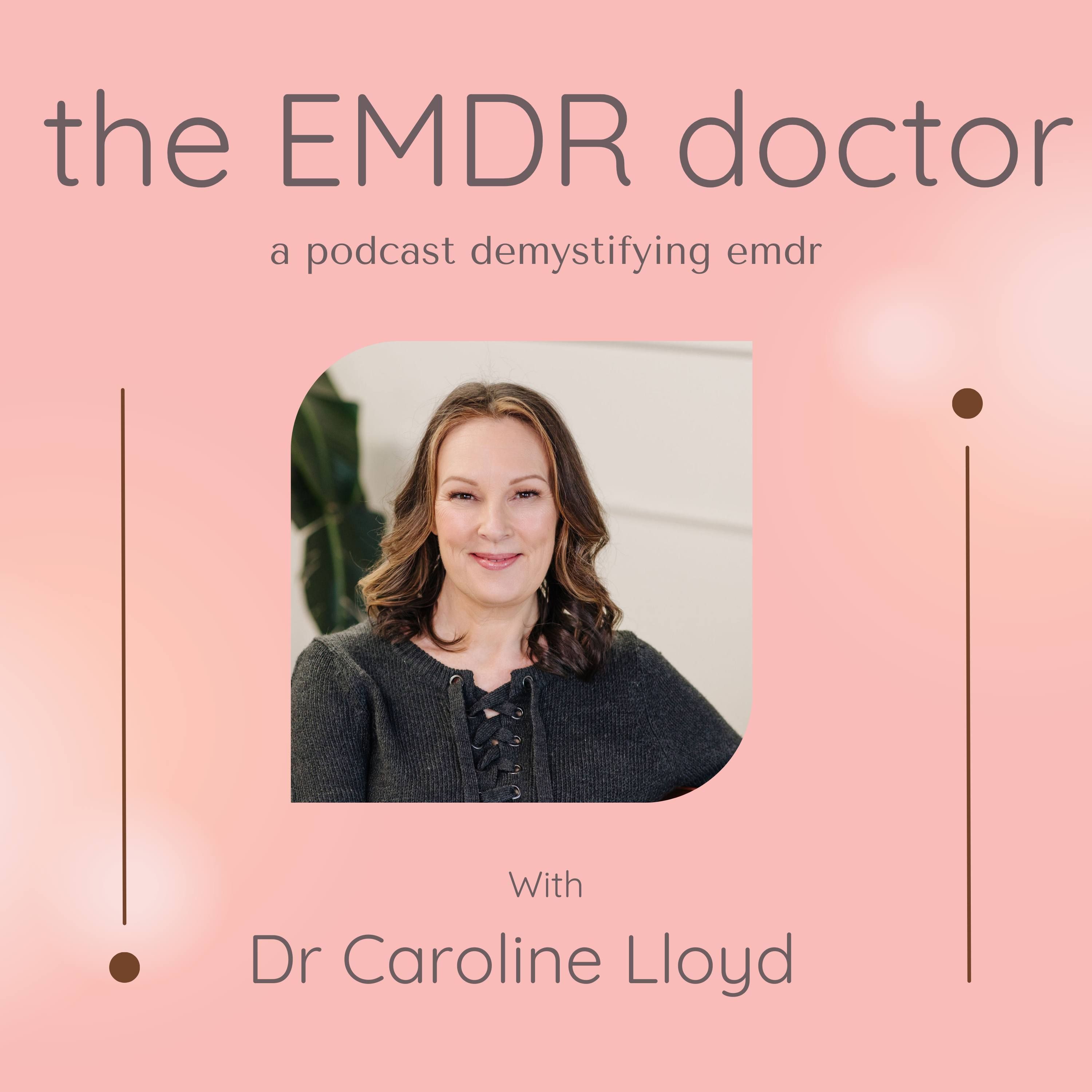
68. Mothers in EMDR therapy
Description
In this episode, Dr. Caroline Lloyd reflects on the many experiences Mother’s Day can bring, including non-traditional mothering, caring for aging mothers, and grief after early loss. Drawing on her work providing group EMDR with the Australian organization Mums Matter, she describes how group EMDR involves minimal trauma disclosure, uses bilateral stimulation and distress ratings via chat, and supports each person’s brain to process toward adaptive, positive beliefs. She discusses common themes such as miscarriage and perinatal loss, emphasizing that mothers remain mothers after loss, and discusses how EMDR can reduce trauma related to loss and grief.
Main Theme:
Mother’s Day reflections and how EMDR supports mothers through trauma and loss.
Key Points:
• Reflection on the many different experiences of motherhood, including; traditional and non-traditional parenting, step-parenting, same-sex parenting, single mothers, caring for ageing mothers, and grief connected to losing a mother or becoming a mother in difficult circumstances
• EMDR group work with ‘Mums Matter’, an Australian low-cost counselling service focused mainly on mothers. • A major theme in the groups was perinatal loss and miscarriage. Mother’s Day can be especially painful for women who have experienced these losses.
• EMDR can reduce trauma, but it does not remove grief. Once trauma is processed, grief may feel more visible and may still need to be worked through.
• EMDR works well in groups because it doesn’t require people to share their trauma in detail. Instead, it offers a process that helps the brain naturally work through distress and reconnect with more adaptive beliefs.
Upcoming webinars for clinicians on treating Shame (June 4th), Dissociation (July), and Dissociative Identity Disorder (August).
Resources Mentioned:
• EMDR Therapy for Trauma: If you're in Australia and want personalized support, Dr. Lloyd’s individual or group therapy sessions may be right for you.
• EMDR Doctor Membership: If you’ve worked with Dr. Lloyd before and need ongoing support, check out the EMDR Doctor Membership page for monthly opportunities to continue EMDR therapy.
Contact and Feedback:
If you’ve been affected by trauma, or if you want to discuss how EMDR can help you heal from past wounds, get in touch with Dr. Lloyd at emdrdoctor.com.au
Appointments for consultation or supervision, with Dr. Lloyd, can be made via Halaxy. Remember, healing from trauma is a journey — you don’t have to do it alone.
Subscribe & Stay Connected:
• Be sure to follow or subscribe so you never miss an episode. Each week, we dive into the powerful ways EMDR therapy can help you heal, grow, and reclaim your life. If you’ve found today’s episode helpful, share it with someone who could benefit from this information.
• See me in person over on my YouTube channel — it’s a great way to connect face-to-face, learn more about EMDR, and get a sense of how we might work together in therapy.
Join me, Dr. Caroline Lloyd, as we unpack trauma, explore the science of EMDR, and share real stories of recovery and resilience.