Episode Details
Back to Episodes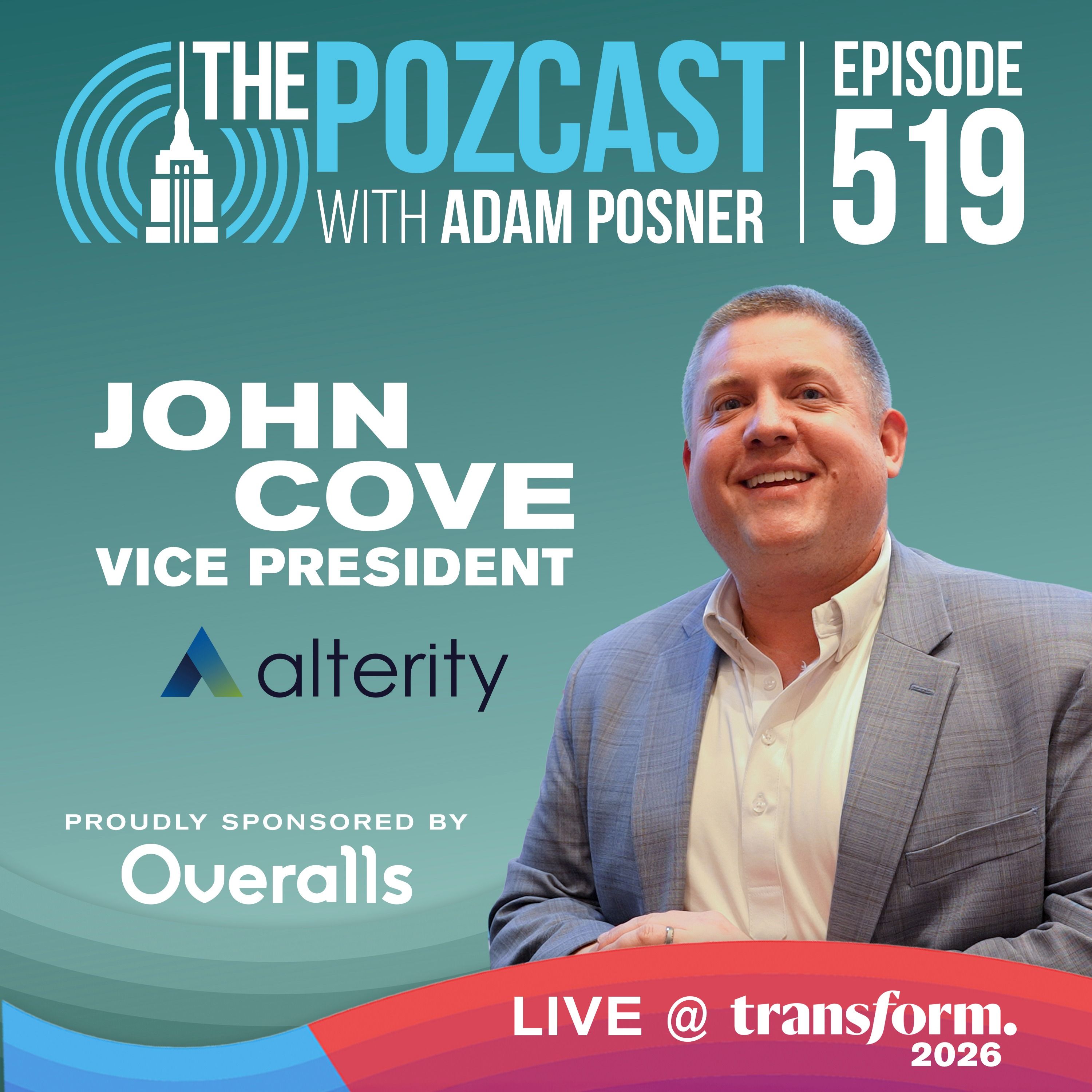
Your Benefits Are Great. Too Bad Nobody Knows About Them: John Cove (LIVE @ Transform 2026)
Description
These episodes of #thePOZcast, live from Transform 2026 in Las Vegas, are proudly brought to you by our friends at Overalls
What if your employees had one central hub to handle real life? Meet Overalls. A smarter way to support your team, combining expert human LifeConcierges™ with AI to solve everyday challenges across healthcare, caregiving, benefits, insurance, finances, life admin, and more.
From start to finish, Overalls handles the details — using existing benefits where they fit, and filling in the gaps where they don’t. So employees save time, reduce stress, and stay focused at work, while employers boost engagement and get more value from their benefits. Overalls is redefining how work supports life, helping employee teams from Reddit, Patreon, BeatBox, and more cross pesky to-dos off their lists every day.
Learn more at https://getoveralls.com/?utm_source=podcast&utm_medium=podcast&utm_campaign=pozcast
Thanks for listening, and please follow us on Insta @NHPTalent and www.youtube.com/thePOZcast
For all episodes, please check out www.thePOZcast.com
TAKEAWAYS:
1. Great Benefits Nobody Knows About Are Wasted Benefits
The biggest failure in corporate benefits isn't a weak package — it's a strong package that employees can't find or don't understand. Navigation is the missing layer. If an employee can't get a real-time answer to "my knee hurts, what do I do," they'll go to the emergency room, every time.
2. Healthcare Navigation Is the Next Essential Platform Layer
John's view from 20 years in-house: the employers who are winning aren't just offering more benefits, they're offering smarter access to what they already have. A platform that speaks plain English, routes employees to the right care, and answers questions in real time is increasingly non-negotiable.
3. Site-of-Care Redirection Saves Real Money for Everyone
Emergency room copays for an ear infection versus urgent care or telemedicine — the difference is significant for both the employee and the employer. Navigation platforms that help employees understand their options and redirect care appropriately are one of the clearest ROI plays in the benefits stack.
4. ROI Models Don't Always Capture the Full Picture
John's GLP-1 example is a sharp one: the short-term cost data on weight-loss medications looks difficult, but the downstream impact on joint health, blood pressure, cholesterol, and energy is real and compounding. Sometimes the right benefits decision requires setting the spreadsheet aside and taking a bigger picture view of what it means to help someone get healthier.
5. Stop Keeping Your Benefits a Secret
For years, many employers treated their benefits as proprietary information — worried that competitors would copy them. That era is ending. The companies winning on talent are putting their lifestyle support benefits front and center in offer letters, career pages, and recruitment conversations. If you spent the money, get the credit.
6. Real Stories Drive Benefits Utilization More Than Bullet Points
John's open enrollment philosophy from nearly two decades of in-house experience: the most effective benefits communication isn't a list of what you offer — it's a real story of how someone used it. Personal examples create emotional connection and drive employees to actually take advantage of what's available to them.
7. Caregiving Benefits Reach Further Than the Employee
John's story about using a caregiving support benefit to help his mother through a terminal illness illustrates a point that