Episode Details
Back to Episodes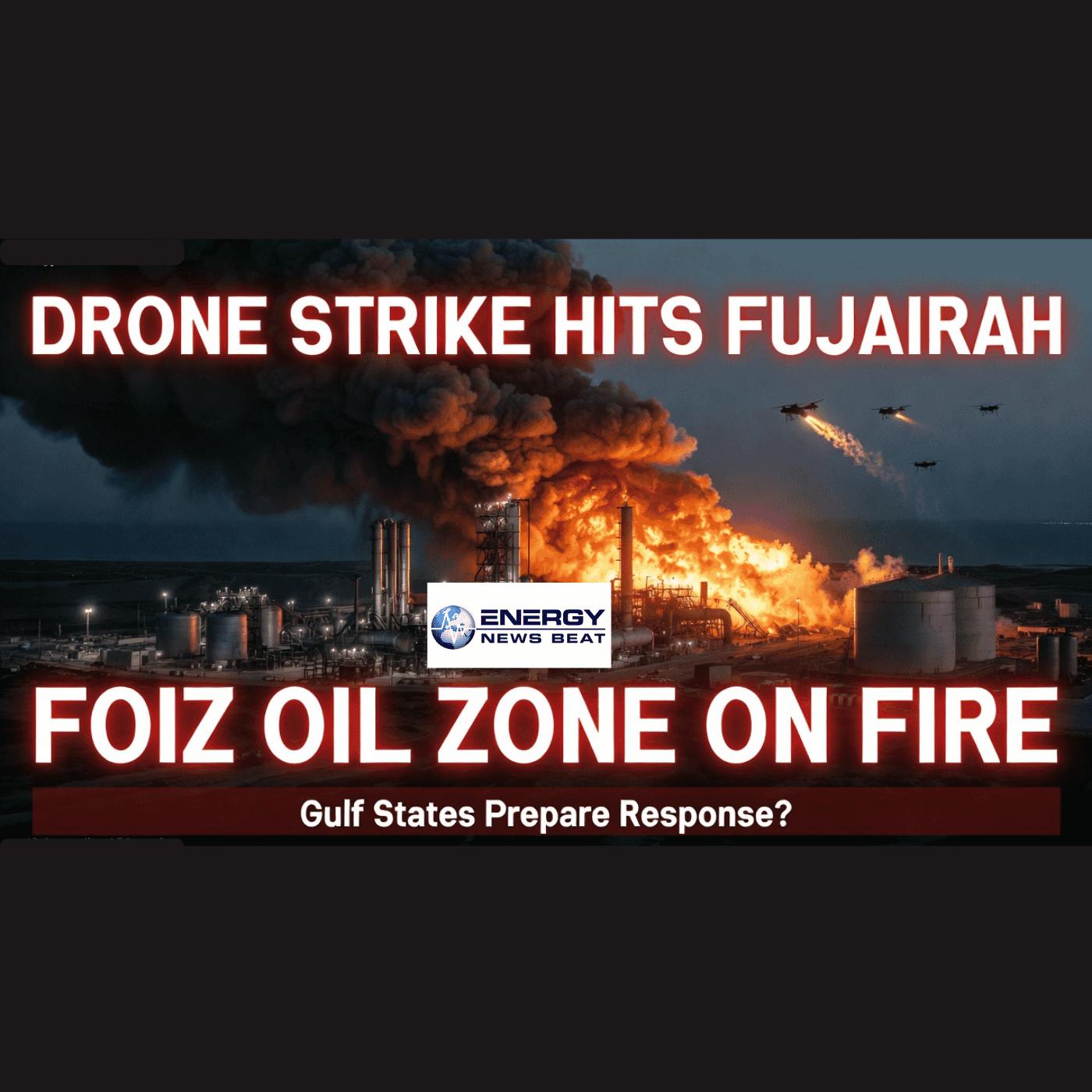
Iran Heating Up the Middle East
Description
What a wild day on the News Desk. President Trump ordered the U.S. Navy to escort ships through the Strait of Hormuz, and Iran started lobbing drones and missiles around. Bagdad Bob showed up in Iran and claimed that they hit a US ship, but they did not.
It will be interesting to see what the breaking point of the Gulf Nations is, and when they start attacking Iran’s oil infrastructure. The drone strikes were on the pipeline that bypasses the Strait of Hormuz, and it was not damaged too badly. We are currently trying to obtain the assessments.
1. Middle East Geopolitical Tensions & Energy Security- Iran’s drone strikes on UAE: A drone strike hit the Fahoya Oil Institute Zone in the UAE, originating from Iran, causing a fire with no injuries reported
- Strategic implications: The strike occurred within drone distance of the Strait of Hormuz, a critical chokepoint for global oil supplies
- U.S. military response: Project Freedom launched to escort tankers through the Strait; approximately 150 tankers are waiting to transit
- Supply disruptions: ~9-8 billion barrels of oil are missing from the market, which theoretically should push oil prices to $140, but they’re trading around $113-117
- Physical vs. paper prices: A critical mismatch exists between physical delivery prices ($147-200) and paper prices, which will eventually converge
- Tanker movements: Russian oil arriving in Japan; Iraqi/Iranian oil arriving in California
- UAE leaving OPEC: The UAE is pursuing currency swap agreements with the U.S., signaling a shift toward petrodollar trading relationships
- Strategic alliances: Japan’s Prime Minister securing Russian energy supplies; Italy deepening ties with Azerbaijan for natural gas
- U.S. petrodollar dominance: Discussion of how the U.S. maintains control over major oil-producing nations through currency arrangements
- Offshore wind project disputes: GE-Vernova challenging Vineyard Wind’s claims, highlighting subsidy dependency and profitability concerns
- Italy’s energy mix: 35% natural gas, 41% renewables (but unreliable at night due to storage limitations)
- Subsidy concerns: Without subsidies, renewable projects become unprofitable
- Nissan’s pivot: Abandoning EV production in favor of trucks and SUVs due to waning demand
- U.S. manufacturing resurgence: Manufacturing jobs returning to the U.S., particularly in Mississippi
- Consumer preferences: Americans prefer traditional vehicles for long-distance driving
- Caterpillar’s strong earnings: Q1 2026 sales up 22% to $17.4 billion; profits up 30%, driven by AI data center demand
- Energy sector stocks: Analysis of Cheniere Energy, Valero, and ExxonMobil trading patterns
- Market uncertainty: Sideways trading as investors assess geopolitical impacts
- Regulatory barriers: Governor Newsom’s policies making it expensive to drill domestically, forcing California to import crude from Iraq/Iran and Brazil
- Permitting delays: Only 4 permits issued for 2,000 planned wells as of May 5th
- Environmental irony: Domestic restrictions leading to increased rainforest destruction in Brazil
This is a comprehensive energy news briefing covering geopolitical risks, market dynamics, policy impacts, and corporate performance in the energy sector.
1.Fujairah confirms FOIZ fire after drone strike, and Gulf States may prepare a response
2.
Listen Now
Love PodBriefly?
If you like Podbriefly.com, please consider donating to support the ongoing development.
Support Us