Episode Details
Back to Episodes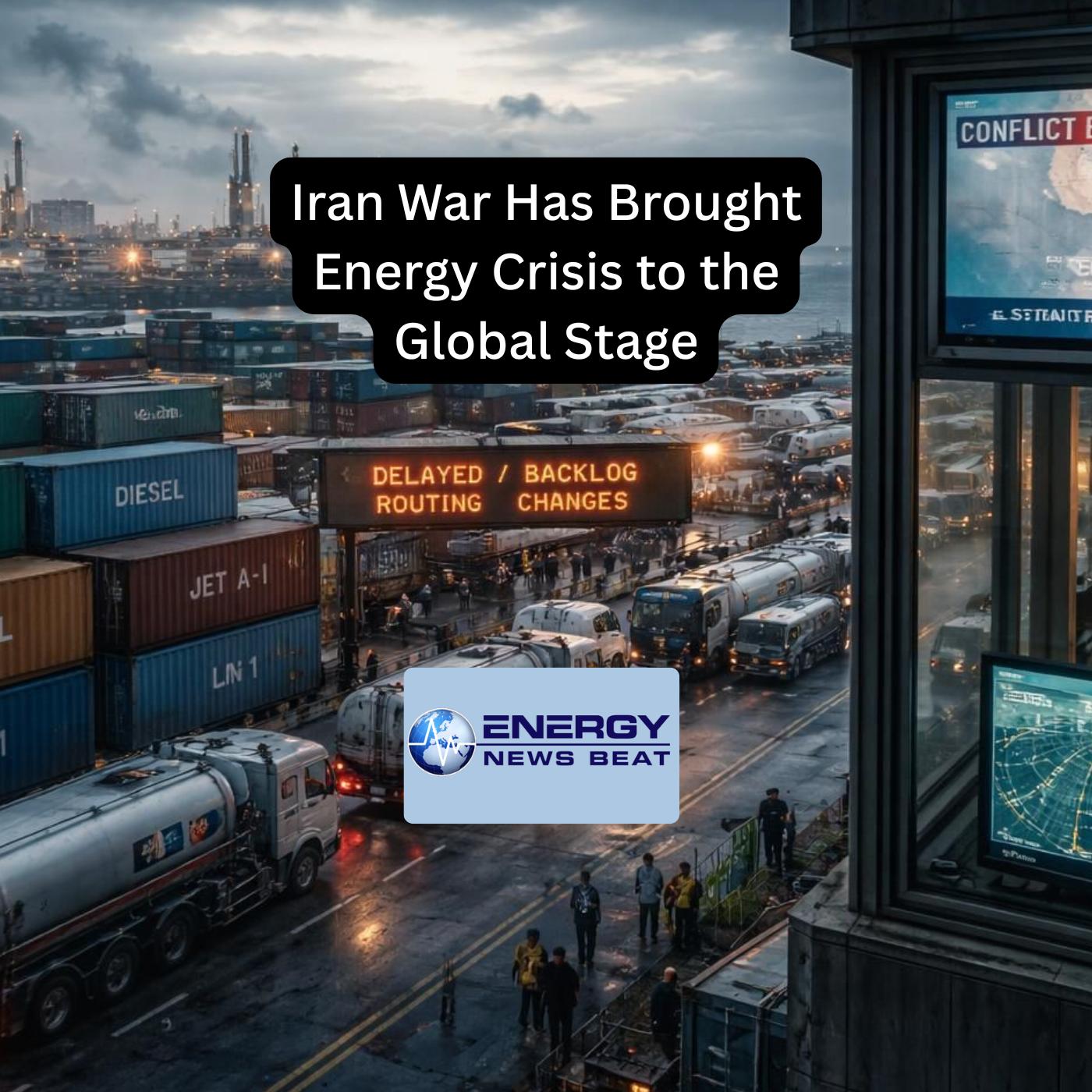
Iran War has Brought The Energy Crisis to the Center Stage. We also cover the Energy Transition, Exxon and Chevron Earnings.
Published 4 months, 2 weeks ago
Description
We cover 9 huge energy stories from around the world. We also go into the ExxonMobil and Chevron Earnings in the finance section.
1. Global Energy Crisis & Iran War ImpactThe Podcast opens with the Iran war creating a severe global energy crisis. Key impacts include:
- Europe lost 75% of fuel supplies, causing flight cancellations during peak tourism
- Asia down to 30 days of jet fuel; Pakistan implementing mandatory 4-day work weeks
- India restricting cremations due to gas shortages; Egypt imposing 9 PM curfews
- Bangladesh experiencing violent fuel shortages
- 1 billion barrels of oil removed from the market, with strategic reserves only offsetting half the loss
- America positioned as the "world's emergency gas station" with ramped-up oil production
- California facing a critical local energy crunch due to refinery closures (Phillips 66 LA, Valero Valencia reducing capacity by ~20%)
- Warning that tanker imports will dry up in weeks; urgent call for federal intervention to keep refineries operational
- Keystone XL Revival: Trump administration signing orders for the Bridger Pipeline Expansion (650 miles from Montana to Wyoming), leveraging existing infrastructure
- Trans-Caspian Pipeline: Turkey positioning itself as a geopolitical player in European energy independence from Russian gas
- Emphasis on energy security, starting at home, and energy dominance through exports
- Chevron is maintaining its foothold in Venezuela while ExxonMobil and ConocoPhillips are re-entering after nearly two decades
- Venezuela holds the world's largest proven oil reserves but with challenges in extraction
- $10 trillion spent on wind, solar, and hydrogen, yielding only 3% additional energy globally
- 225,000 turbines worldwide requiring decommissioning before 2050—creating a "replacement treadmill."
- Solar panels: 95% not recycled in the U.S., ending up in landfills
- Paris Climate Accord cost $26.8 trillion for $4.5 trillion in benefits—math doesn't add up
- Worst drought in 1,200 years threatens western power generation
- Hoover Dam approaching "Deadpool" levels (below electricity generation capacity)
- Federal intervention with supplemental releases from Flaming Gorge Reservoir through 2027
- Phillips 66: Beat Q1 earnings by 88 cents per share; strong refining margins
- Chevron: Largest earnings beat since October 2020 ($1.41 vs. $0.92-0.97 expected); CEO emphasizes operational fundamentals over headline profits
- ExxonMobil: Resilient Q1 performance with $9.2 billion in shareholder distributions
- Cheniere Energy (LNG): Strong position to sell all production at premium prices
- UAE leaving OPEC (producing 3.5M barrels/day), signaling shift from cartel to open market
- Discussion of U.S. financial control over Iraq and Venezuela's oil supplies
- Concerns about silver market manipulation amid AI data center demand
- Paper vs. physical oil pricing divergence (physical trading at $140-160+ vs. paper at ~$101-108)
Overall Theme: Podcast presents a complex picture of global energy instability driven by geopolitical conflict, infrastructure challenges, and the limitations of renewable energy transitions—positioning U.S. energy dominance as critical to global stability.
Energy Security Starts at Home, but your Energy Dominance is displayed through your Exports.
The United States is Energy Independent, with the Exception of California. California is Energy Depe