Episode Details
Back to Episodes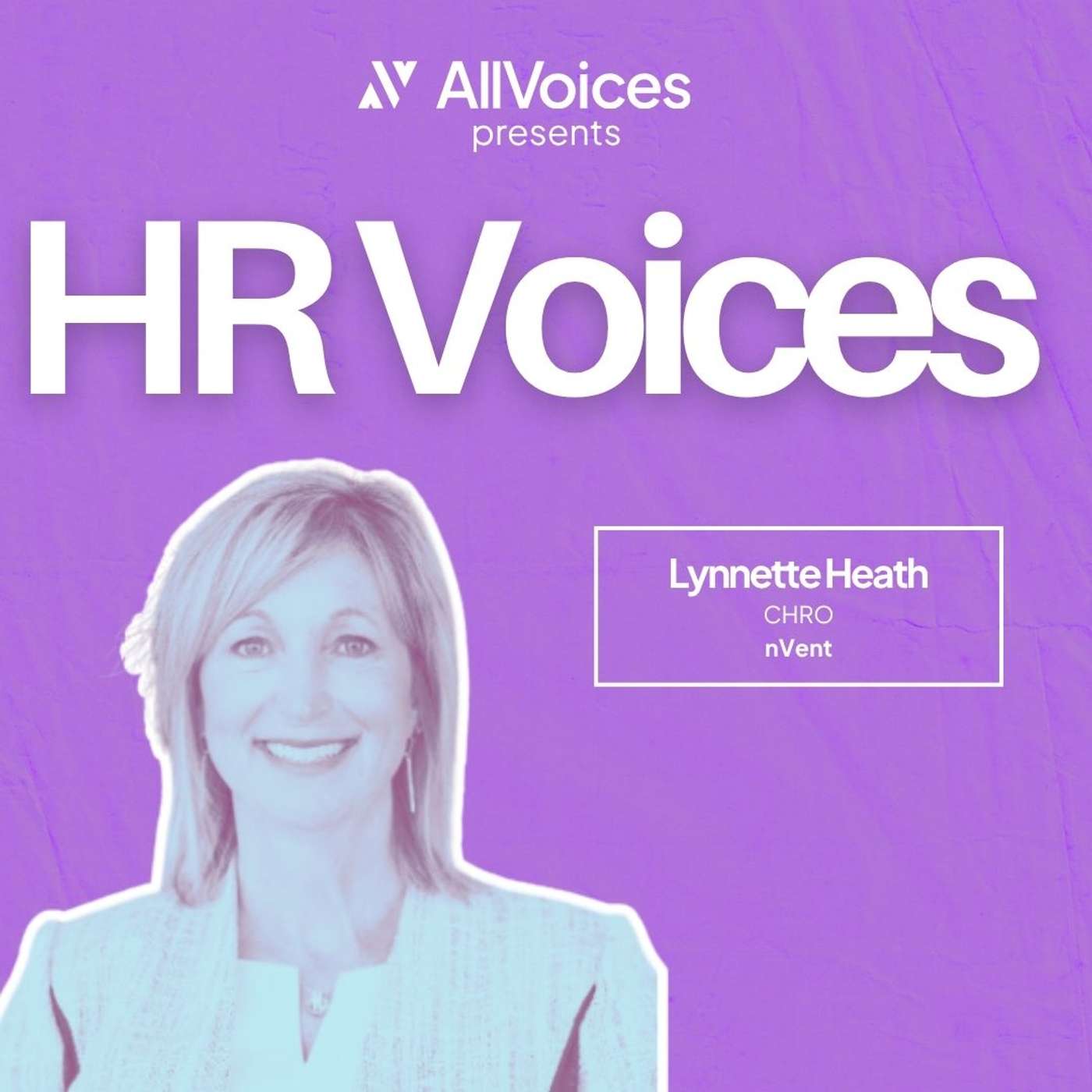
Why You Shouldn’t Policy for Your Worst Employee
Description
Summary
A company installs productivity monitoring software on remote employees' laptops. One employee discovers it, doesn't remove it, but starts staging his screen—working on a decoy window while handling personal matters.
When HR confronts him with footage showing low productivity, he flips the script: the monitoring was never disclosed, it violates state surveillance law, and it constitutes an unlawful search. Sound familiar?
In this episode of HR Voices, host Rebecca Taylor sits down with Lynnette Heath, CHRO at nVent, to work through this fabricated-but-very-real scenario and unpack how a seasoned HR leader actually thinks through it.
Lynnette brings a refreshingly clear framework: before you get to the monitoring software debate, look at the integrity question first. If someone consciously staged their screen to deceive their manager, that's a separate and arguably bigger issue than whether the policy was properly acknowledged.
She and Rebecca get into what fair and consistent really means versus what it feels like, how to keep an employee relations conversation on track when someone tries to deflect, what this scenario reveals about building culture around trust versus surveillance, and why Lynnette insists she's a business person whose function happens to be HR—not the other way around. If you lead people, investigate employee issues, or are navigating the tension between AI tools and human management, this one will sharpen your thinking.
Timestamps
- 01:00 The scenario: The Remote Work Spy
- 02:06 Lynnette's first instinct: investigate before you conclude
- 04:55 Why the integrity violation matters more than the policy debate
- 08:08 Avoiding assumptions and understanding all three sides of the story
- 13:19 Handling deflection when an employee flips the conversation
- 18:49 What the scenario says about culture, trust, and surveillance software
- 25:49 How AI should coach managers, not replace the human conversation
- 30:06 The one assumption about HR that Lynnette wants challenged
Takeaways
- Separate the integrity question from the policy question—both matter, but conscious deception is its own issue
- Investigate before you conclude; there are three sides to every story, and the truth is usually somewhere in the middle
- Fair doesn't always mean happy—it means consistent, documented, and defensible
- Don't policy for your worst-case employee; invest in managers who actually manage instead
- Use AI to coach and prepare for conversations, not to replace the human touch that builds trust
- Own the people strategy as a business strategy—HR isn't "the people person," it's a business function
Guest LinkedIn: https://www.linkedin.com/in/lynnetteheath/
Company website: https://www.nvent.com/en-us/
Sponsor
AllVoices brings all your employee relations work together in one place. No more jumping between spreadsheets, emails, and legacy systems—just one place to document and manage reports, cases, investigations, and performance conversations. It helps you run a more consistent process, takes busywork off your plate with AI, and makes it easier to spot trends early, so you can work proactively, not just put out fires.
See a demo at https://www.allvoices.co/
- (01:00) - The scenario: The Remote Work Spy
- (02:06) - Lynnette's first instinct: investigate before you conclude
- (04:55) - Why the integrity violation matters more than the policy debate
- (08:08) - Avoiding assumptions and understanding all three sides of the st